Best Time to Fish the Mississippi River in Illinois for Walleye
If you've ever dreamt of landing a trophy walleye on the mighty Mississippi River in Illinois, but felt utterly lost about when to even start, you're not alone. This immense river system, with its ever-changing currents and diverse habitats, can be a real head-scratcher for even seasoned anglers. This guide will cut through the confusion, helping you pinpoint the absolute best times to hit the Mississippi for walleye and increase your chances of a successful, memorable trip.
Optimal Seasons for Mississippi River Walleye
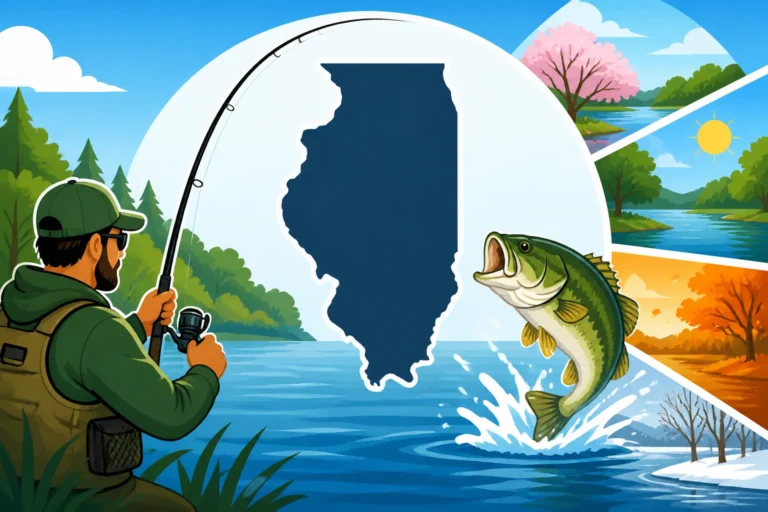
Fishing the Mississippi River for walleye isn't a year-round "set it and forget it" kind of deal. Each season presents its own unique challenges and incredible opportunities, and understanding these patterns is key to unlocking consistent success. The walleye's behavior, their feeding habits, and even their preferred locations shift dramatically with the changing temperatures and water levels.
Spring Walleye Run: The Golden Window
Ah, spring! This is arguably the most anticipated time for walleye anglers on the Mississippi River. As the ice finally relinquishes its grip and the water temperatures start their slow climb, walleye begin to shake off their winter lethargy and prepare for their annual spawn. Typically, this "golden window" opens up in March and continues strong through April, sometimes even into early May, depending on how quickly the river warms.
During the pre-spawn and spawn phases, walleye migrate en masse from deeper wintering holes into shallower, current-swept areas. They're looking for rocky bottoms, rip-rap, wing dams, and anything that offers structure and a solid surface for their eggs. This concentration of fish means that if you can intercept them during their migration or on their spawning beds, you could be in for some truly spectacular action. The trick here is often finding those current seams and eddies just off the main channel where fish can hold without fighting the full force of the river. Don't be afraid to cast jigs tipped with minnows or use stickbaits that imitate baitfish struggling in the current. This is a time when walleye are aggressive and focused, making them very susceptible to a well-presented lure. You might even find yourself having such a great day you need to consult the Illinois Walleye Size and Catch Limits to make sure you're staying within regulations.
Summer Tactics for Deeper Water Walleye
When the scorching Illinois summer arrives, the Mississippi River transforms, and so do the walleye. Gone are the days of easy access in shallow spawning grounds. As water temperatures climb into the 70s and beyond, walleye retreat to deeper, cooler water, seeking refuge from the heat and strong sunlight. This doesn't mean they stop biting; it just means you need to adjust your approach.
During summer, walleye on the Mississippi often relate to deeper main channel humps, the fronts and backs of wing dams, bridge pilings, and submerged timber. They're typically more nocturnal or crepuscular (active at dawn and dusk) during this period. Trolling with crankbaits or deep-diving stickbaits that get down to where the fish are holding can be incredibly effective. Consider using bottom-bouncing rigs or three-way swivels with live bait like leeches or nightcrawlers to target them directly on the bottom. Early mornings, late evenings, and even night fishing can be incredibly productive as walleye move up shallower to feed under the cover of darkness. Remember that the Illinois Walleye Minimum Size Limit of 14 Inches applies year-round, so always measure your catch carefully. Investing in a good cooler to keep your catch fresh in the summer heat is also crucial – you can find some excellent, robust options on Amazon that handle river conditions perfectly.
Fall Feeding Frenzy and Preparation
Just like spring, fall brings another incredible opportunity for Mississippi River walleye. As the days shorten and water temperatures begin to drop, walleye sense the approaching winter and engage in a vigorous feeding frenzy. They're packing on the calories, and this means they're often more aggressive and less finicky about what they'll strike. This period typically runs from September through November, again, highly dependent on weather patterns.
In the fall, walleye often relate to structure similar to spring, but they might be a bit deeper, staging in areas adjacent to their wintering holes. Look for them concentrated around rocky points, current seams, deeper sections of wing dams, and channel edges. Trolling larger crankbaits, casting blade baits, or jigging with heavier jigs and soft plastics can be very effective. Live bait, especially large shiners or suckers, can also be dynamite. This is the time when you might catch some of the biggest walleyes of the year, as they are at their peak weight and condition. Pay close attention to water clarity; after heavy rains, the river can become muddy, which might push walleye into clearer backwater areas or slow their bite until conditions improve. For targeting these fish, having a robust selection of jigs and soft plastics, readily available on Amazon, can make a huge difference in matching the hatch.
Understanding Walleye Behavior and River Conditions
The Mississippi River is a living, breathing system, and its nuances dictate where and when walleye will bite. Understanding the environmental factors that influence walleye behavior is just as important as knowing the calendar dates. This river isn't a static pond; it's a dynamic highway of water, and walleye react to every change.
Water Temperature's Role in Walleye Activity
Water temperature is, without a doubt, one of the most critical factors influencing walleye activity. These fish are cold-blooded, meaning their metabolism directly correlates with the water temperature around them.
- Below 40°F (4°C): Walleye are typically lethargic, holding in deep pools and wintering areas. Bites are subtle, and slow, vertical presentations are often necessary.
- 40-50°F (4-10°C): This is prime pre-spawn and spawning range. Walleye become active, move to shallower spawning grounds, and feed aggressively. This is when the "spring run" truly kicks off.
- 50-65°F (10-18°C): Post-spawn, walleye are recovering but still actively feeding. They'll start spreading out more and relating to various structures.
- 65-75°F (18-24°C): Summer patterns emerge. Walleye seek deeper, cooler water during the day, becoming more active at dawn, dusk, and night.
- Above 75°F (24°C): Walleye can become stressed. Focus on the coolest parts of the river, like deep holes or oxygenated current areas.
Always carry a thermometer and pay attention to surface temps, but also remember that deeper water will have different temperatures. The key is to find that "comfort zone" for walleye, which shifts throughout the year. You can often find portable fish finders with temperature gauges on Amazon, which are incredibly useful for this. Knowing the current temperature can help you decide which of the Illinois Fishing Seasons Guide recommendations to follow.
Current and Structure: Walleye's Preferred Lairs
The Mississippi River is defined by its current, and walleye are masters at using it to their advantage. They are ambush predators that love to hold in current breaks, waiting for baitfish to be swept past them.
- Current Seams: These are gold mines. Look for where faster water meets slower water, creating a "seam." Walleye will sit just inside the slower water, expending minimal energy while having easy access to passing food.
- Wing Dams: These man-made structures are iconic Mississippi River walleye magnets. Fish will hold on the upstream side, in the scour holes just off the nose, or in the calmer water on the downstream side, especially in deeper pockets.
- Bridge Pilings and Rip-Rap: Any large structure that breaks the current will hold walleye. Cast parallel to these structures, letting your lure drift with the current.
- Submerged Timber and Rock Piles: These offer both current breaks and cover. Be prepared for snags, but these spots often hold big fish.
Understanding how to read the river and identify these current breaks and structures is paramount. It's not enough to just know there are walleye in the river; you need to know where in the river they'll be holding based on the current. This applies to a wide range of species, which is why topics like Why Fishing Rules Vary by Lake and River are so important.
Navigating the Mississippi's Unique Challenges
Fishing the Mississippi isn't for the faint of heart; it presents unique challenges that you won't find on smaller lakes or rivers.
- Dynamic Water Levels: The river can rise and fall dramatically due to upstream rainfall or dam operations. High, muddy water can disperse fish and make locating them tough. Low, clear water can concentrate them but also make them warier. Always check river levels before you go.
- Heavy Current: Even in seemingly calm areas, the Mississippi's current is powerful. This requires heavier tackle, stronger lines, and specific presentations like Walleye Trolling Techniques or Walleye Jigging Techniques that can get down and stay in the strike zone.
- Barge Traffic: Be aware of commercial barge traffic. These massive vessels create huge wakes that can be dangerous for smaller boats. Always give them a wide berth.
- Debris: Especially after heavy rains, the river can carry a lot of floating debris, which can snag lines and damage equipment. Keep an eye out and fish areas with less floating trash.
Despite these challenges, the reward of a Mississippi River walleye is well worth the effort. It's a true angler's river, demanding respect and strategic thinking.
Best Time of Day and Weather Considerations
Beyond the seasons, the specific time of day and prevailing weather conditions play a huge role in whether you'll find active walleye or just a pretty view. Walleye are notoriously light-sensitive, and this often dictates their feeding patterns.
Dawn and Dusk: Prime Feeding Times
If you're asking about the best time of day for walleye on the Mississippi, the answer is almost always dawn and dusk. These low-light periods are when walleye are most comfortable moving into shallower water to feed. Their large, light-sensitive eyes give them a distinct advantage over baitfish in these conditions.
- Sunrise: As the sun just begins to peek over the horizon, casting long shadows, walleye become incredibly active. They'll move up onto shallow flats, wing dams, and shoreline rip-rap to ambush unsuspecting prey. This bite can last for a couple of hours until the sun gets too high.
- Sunset: Similar to sunrise, the period from an hour or two before sunset until complete darkness often sees a burst of walleye activity. They'll push baitfish against structure, feeding aggressively before retreating to deeper water for the night.
- Night Fishing: For the truly dedicated, night fishing can be exceptional, especially during the summer. Walleye, being visually dominant predators, use their superior low-light vision to hunt when baitfish are less aware. Using glow-in-the-dark lures or those with rattles can be particularly effective after dark.
Planning your trips to coincide with these windows can drastically increase your success rate. It might mean an early alarm or a late night, but the reward is often worth the sacrifice.
Overcast Days and Frontal Systems
Walleye, generally speaking, prefer overcast conditions. Bright, sunny days with clear skies often push them into deeper, darker cover.
- Overcast Skies: A solid blanket of clouds reduces light penetration into the water, making walleye feel more comfortable in shallower water and extending their feeding windows throughout the day. These are fantastic days to be on the river.
- Light Rain or Drizzle: Similar to overcast conditions, a light rain can stimulate feeding, especially if it's accompanied by stable barometric pressure. The rain also washes terrestrial insects into the water, attracting baitfish, which in turn attracts walleye.
- Before a Cold Front: Just before a major cold front hits, often accompanied by falling barometric pressure and increasing wind, walleye (and many other species) tend to feed aggressively. They seem to sense the coming change and stock up. This can be an incredible time to be on the water.
- After a Cold Front: This is usually the toughest fishing. Post-front conditions typically involve bright, clear skies, high pressure, and often a significant drop in temperature. Walleye become lethargic and tight-lipped, retreating to deep cover. Your best bet is to fish very slowly, use subtle presentations, and focus on deep breaks.
Understanding these weather patterns can help you decide not just when to go, but how to fish once you're there. Adjusting your tactics to match the conditions is a hallmark of a successful walleye angler.
Essential Gear and Tactics for Mississippi River Walleye
You can have the perfect timing and understand all the walleye behavior in the world, but if you don't have the right tools and techniques, you'll still struggle. The Mississippi demands specific gear that can stand up to its power and help you effectively present your lures.
Rods, Reels, and Line for River Walleye
The gear you choose for Mississippi River walleye needs to be robust enough to handle strong currents and potential snags, yet sensitive enough to detect those subtle walleye bites.
- Rods: A medium-heavy to medium-power spinning or baitcasting rod, typically 6'6" to 7'6" in length, is ideal. The longer rods offer better casting distance and leverage for fighting fish in current. Look for a fast or extra-fast action tip for sensitivity, allowing you to feel light bites and bottom structure, combined with a strong backbone for hooksets and control.
- Reels: For spinning setups, a 2500-4000 series reel with a smooth drag is perfect. For baitcasting, a reel with a good braking system for casting control and a strong retrieve will serve you well. A smooth, consistent drag is crucial for preventing break-offs with powerful fish in current.
- Line: This is where many anglers make mistakes.
- Braided Line (10-20 lb test): This is often the preferred choice for its incredible sensitivity, zero stretch, and abrasion resistance. It helps you feel even the lightest tap and maintain contact with your lure in current. A good quality braid, like some of the options you can find on Amazon, is an excellent investment.
- Fluorocarbon Leader (8-15 lb test): Always tie a fluorocarbon leader (3-5 feet) to your braided main line. Fluorocarbon is virtually invisible underwater and offers excellent abrasion resistance, which is vital around rocks and snags.
- Monofilament (8-12 lb test): While not as sensitive or strong as braid, monofilament still has its place, particularly for trolling with crankbaits where its stretch can be an advantage.
Using the right line not only improves your ability to feel bites but also your chances of landing a hard-fighting walleye. For specific recommendations, check out posts like Best Rods for Illinois Walleye Fishing.
Top Lures and Baits for Mississippi Walleye
Matching your presentation to the conditions and the walleye's mood is key. A versatile tackle box is essential.
- Jigs: Jigs are perhaps the most versatile walleye lure on the Mississippi.
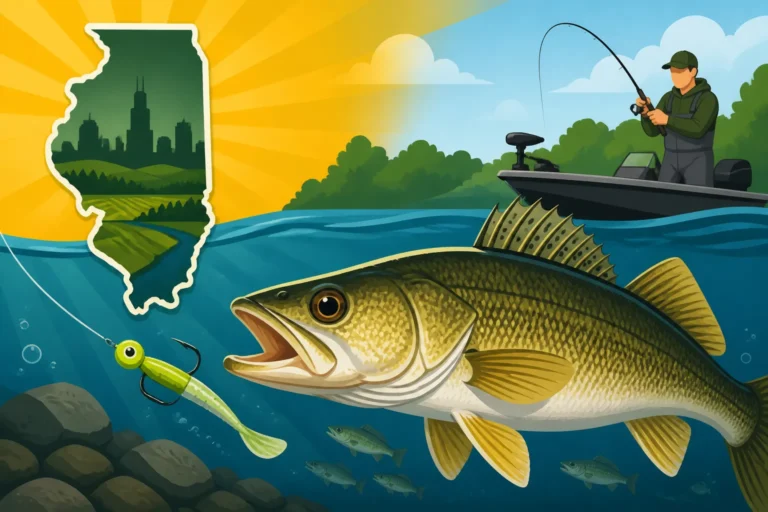
- Lead-head Jigs (1/4 to 3/4 oz): Tip them with live minnows, shiners, or soft plastic paddle tails and grubs. Vary your jig weight to match the current – you need to feel the bottom without getting swept away.
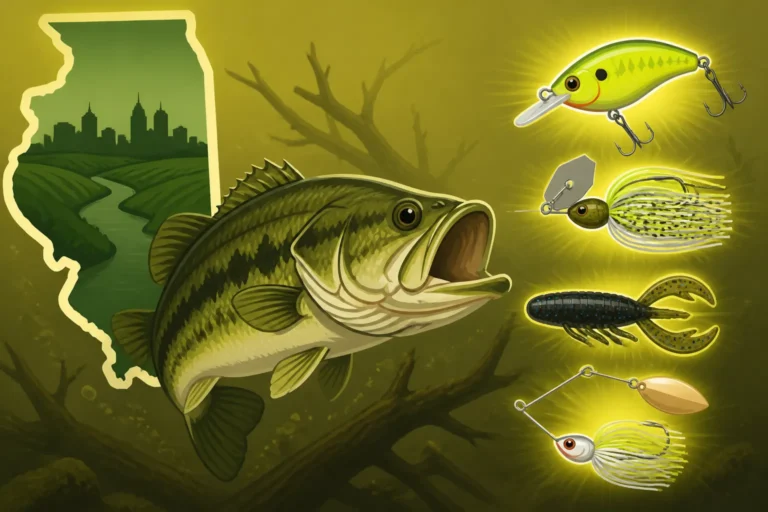
- Blade Baits: These vibrating metal lures are deadly for vertical jigging or casting, especially in cooler water. Their intense vibration attracts walleye from a distance.
- Crankbaits and Stickbaits: These are workhorses for covering water, especially when trolling or casting along current breaks and wing dams.
- Deep-Diving Crankbaits: Essential for targeting fish in deeper holes during summer.
- Shallow-Running Stickbaits: Great for casting near rip-rap or over shallow spawning flats in spring and fall.
- Colors: Natural baitfish patterns (perch, shad, shiner) are always good, but don't shy away from bright colors like firetiger or chartreuse in stained water.
- Live Bait Rigs: Sometimes, nothing beats the real thing.
- Minnows/Shiners: Crucial for jigging, especially in colder water. Hook them through the lips or dorsal fin.
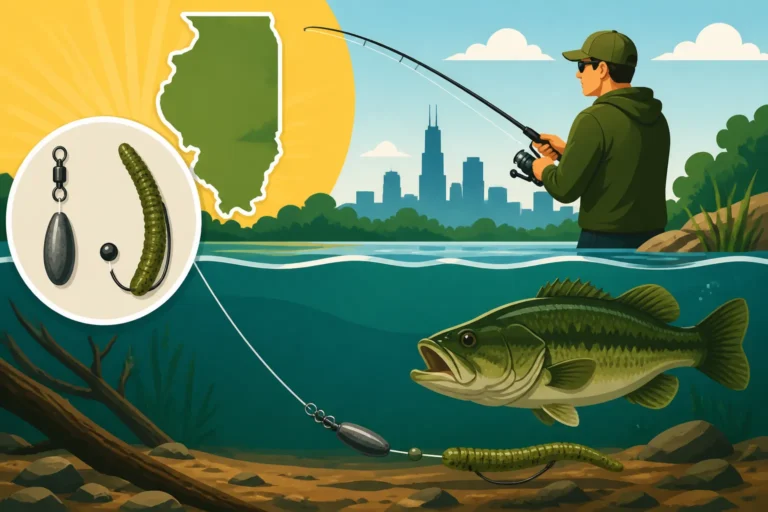
- Nightcrawlers: Rigged on a plain hook, bottom bouncer, or three-way swivel, these are consistent producers, especially in summer.
- Leeches: Another excellent summer bait, effective on jigs or under a bobber in calmer water.
Having a diverse array of these baits and lures, easily stocked from a reputable online retailer like Amazon, will prepare you for whatever the Mississippi throws at you. Don't forget to study up on the specific nuances of your preferred technique, such as the various Walleye Trolling Techniques or Walleye Jigging Techniques, to maximize your on-the-water effectiveness.
| Season | Water Temperature Range | Primary Locations | Recommended Techniques | Top Baits/Lures |
|---|---|---|---|---|
| Spring | 40-55°F (4-13°C) | Shallower rocky areas, current breaks, wing dams, channel edges | Jigging, casting stickbaits | Live minnows, jigs (1/4-3/8 oz), shallow crankbaits |
| Summer | 65-75°F (18-24°C) | Deeper main channel, humps, bridge pilings, deep side of wing dams | Trolling, bottom bouncing, night fishing | Deep-diving crankbaits, nightcrawlers, leeches, jigs (3/8-3/4 oz) |
| Fall | 55-45°F (13-7°C) | Current seams, deeper wing dams, channel edges, rocky points | Casting jigs, trolling, jigging blade baits | Large shiners, jigs (3/8-1/2 oz), blade baits, medium/deep crankbaits |
| Winter | Below 40°F (4°C) | Deep pools, slow current areas, wintering holes | Vertical jigging, dead sticking | Small jigs (1/8-1/4 oz), small minnows, plastics |
Knowing the best time to fish the Mississippi River in Illinois for walleye is about more than just picking a month; it's about understanding the complex interplay of seasons, water conditions, and walleye behavior. By adapting your approach to these factors, you'll be well on your way to a successful and rewarding walleye fishing adventure.
Disclaimer
Fishing regulations, conditions, and fish populations can change. Always check the latest Illinois Department of Natural Resources (IDNR) regulations and local advisories before heading out on the water. This guide is for informational purposes only and does not supersede official regulations.