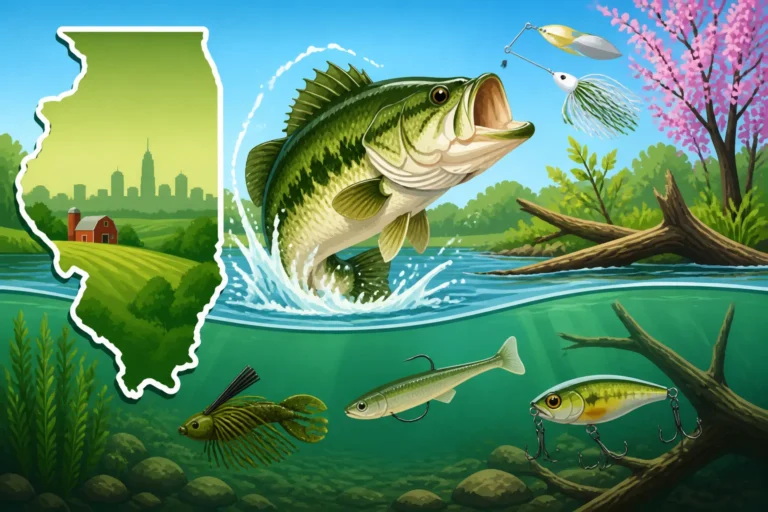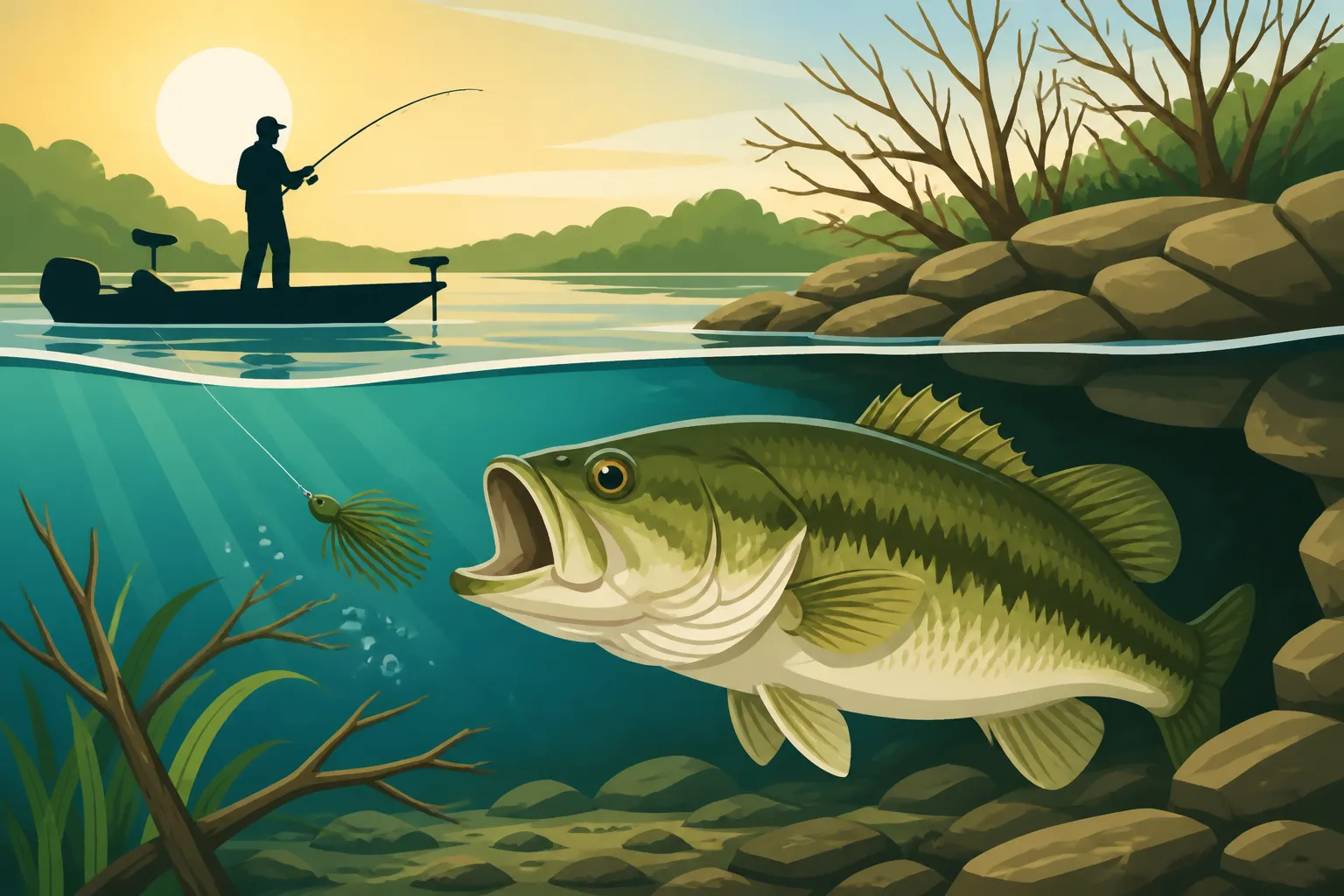
Illinois Bass Pre-Spawn Timing at Lake Shelbyville
Navigating the ever-changing moods of Lake Shelbyville bass before the spawn can feel like a riddle wrapped in a mystery, especially when you're just trying to figure out when and where these elusive fish will be active. It’s frustrating to head out with high hopes only to find the water too cold or the bass simply not biting. This comprehensive guide is here to demystify the Illinois bass pre-spawn timing at Lake Shelbyville, giving you the insights and strategies you need to tackle this productive, yet often challenging, period.
Understanding the Pre-Spawn Period at Lake Shelbyville
The pre-spawn phase is arguably one of the most exciting times to target bass in Illinois, but it's also one of the most misunderstood. It’s a transitional period, a bridge between the lethargy of winter and the explosive activity of the spawn. For Lake Shelbyville, a massive reservoir known for its diverse structure and healthy bass population, understanding this window is key to a successful outing.
What "Pre-Spawn" Truly Means for Bass
Think of pre-spawn as the bass's intensive care unit before their big reproduction event. Their primary drive during this time is to feed heavily, packing on energy reserves for the strenuous spawning process. As water temperatures begin their gradual climb from the deep chill of winter, bass start migrating from their deep-water wintering holes towards shallower spawning flats. They're still somewhat temperature-sensitive, often holding in areas that offer a comfortable depth transition and proximity to both deep water and potential spawning grounds. This makes them predictable to an extent, but also highly reactive to environmental shifts.
You'll typically find them staging in areas where they can quickly retreat to deeper, more stable water if a cold front rolls through, but also dart into shallower feeding zones when conditions are right. This behavior is a delicate dance between safety and sustenance, and recognizing it is half the battle. If you've ever found a schooling group of bass absolutely crushing bait one day, only for them to vanish the next, it's often a direct result of these transitional movements influenced by subtle changes in their environment.
Key Water Temperature Ranges for Lake Shelbyville Bass
Water temperature is the absolute dictator during the pre-spawn period. For largemouth bass on Lake Shelbyville, the sweet spot generally kicks in when water temperatures consistently reach the upper 40s (around 48-52°F) and extends until they hit the mid-60s (60-65°F), at which point the actual spawn begins. Early in this phase, bass will be deeper, often holding to creek channels, main lake points, and submerged timber in the 15-25 foot range. As the water warms, especially in north-facing coves and shallower backs of creeks, they’ll push into 5-10 feet of water, feeding aggressively.
On Lake Shelbyville, with its sprawling arms and numerous coves, these temperature thresholds don't happen uniformly. The northern arms or shallower coves, like those near Lithia Springs or Sullivan, might warm up faster due to more direct sunlight exposure and less overall water depth. Meanwhile, the main lake body and deeper southern sections can lag by several degrees. This means you can often "chase" the warming water across the lake, finding different stages of the pre-spawn depending on your location. Knowing that a drop of a few degrees can send them scurrying back to deeper water will save you a lot of frustration.
The Impact of Weather on Pre-Spawn Bass Behavior
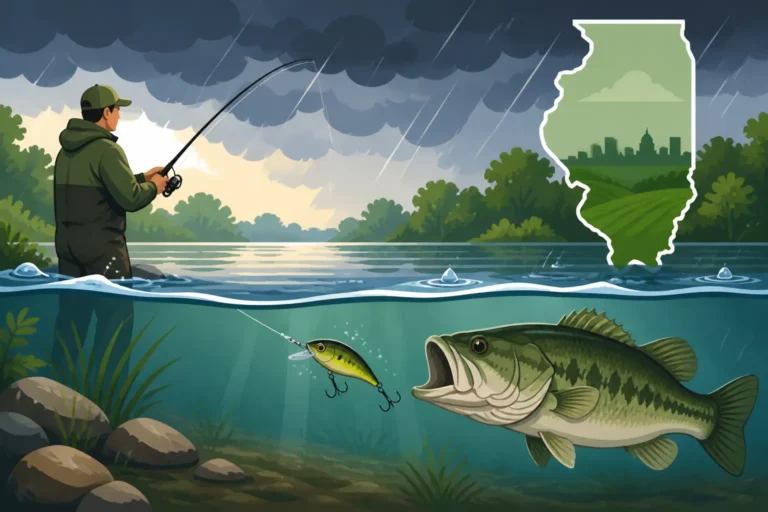
Weather, particularly sudden changes, can throw a wrench into even the best-laid pre-spawn plans. A strong warm front after a prolonged cold spell can ignite the bite, drawing bass into sun-drenched shallows for aggressive feeding. Conversely, a sudden cold front, especially one that brings dropping air temperatures and clear skies, can shut the bite down hard. Bass often become lethargic and retreat to deeper, more stable cover. This is a common frustration for anglers who hit the lake expecting a hot bite only to find the fish seemingly vanished.
High winds can also play a role, pushing warmer surface water into certain coves, creating excellent fishing conditions. However, overly strong winds can also muddy the water and make boat control challenging, leading to less effective presentations. Pay close attention to sustained weather patterns, not just the forecast for the day you plan to fish. A few days of stable, sunny weather can be far more productive than a single warm day sandwiched between cold fronts. To truly understand the yearly cycle, check out our broader guide on Illinois Fishing Seasons Guide.
Locating Pre-Spawn Bass on Lake Shelbyville
Finding pre-spawn bass is all about understanding their migration routes and staging areas. Lake Shelbyville offers a multitude of excellent structures, but knowing which ones are most productive at various stages of the pre-spawn can make all the difference.
Prime Structures and Cover to Target
On Lake Shelbyville, bass will use specific structures as highways and resting spots during their journey from deep wintering grounds to shallow spawning flats. Main lake points and secondary points are absolute magnets. These act as natural stopping points where bass can ambush baitfish before moving further into coves. Creek channels that wind through these main lake features are also critical, providing deep-water access for bass to hold or retreat. Look for bends in these channels, or where they intersect with points or humps.
Submerged timber and brush piles are another top choice, especially around those creek channels and points. The Illinois Department of Natural Resources often adds brush piles to Lake Shelbyville, providing excellent cover and ambush points. These areas offer both protection from predators and places to stage while waiting for warmer water. Often, the bigger, older bass will claim the best pieces of cover, so don’t be afraid to repeatedly cast to a promising spot. Many successful days on Lake Shelbyville involve patiently working these prime pieces of structure. For a deeper dive into the best places to fish, check out our guide on Best Fishing Spots in Illinois or specifically for this body of water, our Lake Shelbyville Fishing Guide.
The Importance of Forage and Baitfish Patterns
You know the old saying: "Find the bait, find the bass." This rings especially true during pre-spawn. Bass are focused on feeding, and they'll be wherever their primary food source, typically shad, congregates. On Lake Shelbyville, shad often move into the backs of coves and creek arms as the water warms, seeking out slightly warmer water and microscopic food sources. Bass will follow them, often holding just outside the main concentrations, ready to strike.
Utilizing your sonar to locate bait balls is invaluable. Look for dense schools of baitfish, often appearing as large clouds or distinct arches, especially near those creek channels, points, and timber. If you see bass arches directly beneath or near these bait balls, you're in a prime location. Sometimes, you'll even see them busting the surface in the mornings or evenings, a clear sign of active feeding. Keep an eye out for bird activity too; diving seagulls can often indicate baitfish pushed to the surface by predatory fish.
Reading the Lake: Interpreting Sonar and Topography
Your electronics are your best friend during the pre-spawn on Lake Shelbyville. Side-imaging and down-imaging sonar can reveal hidden creek channels, humps, and brush piles that are otherwise invisible. Take the time to slowly motor around potential spots, observing what your electronics are telling you. Look for subtle changes in depth, hard bottom versus soft bottom, and any signs of cover or fish holding tight to structure. Many successful anglers on Lake Shelbyville spend more time idling and scanning than they do fishing, and for good reason.
Beyond electronics, studying detailed lake maps or digital mapping programs is crucial. Identify major creek arms, historical river channels, and distinct points. Note areas with steeper drops, as these provide quick depth changes that bass love during transitional periods. Pay attention to how the topography changes from the main lake into the various coves. These subtle features, often overlooked by less patient anglers, can hold the biggest bass. Understanding Spring Bass Fishing Patterns will also greatly assist in interpreting what your electronics are showing you.
Effective Lures and Techniques for Lake Shelbyville Pre-Spawn Bass
Once you’ve located potential staging areas, choosing the right lure and presentation is the next critical step. Pre-spawn bass can be aggressive, but they can also be finicky, depending on conditions. Having a versatile tackle box is essential.
Go-To Baits for Aggressive Pre-Spawn Bass
When Lake Shelbyville's bass are on the hunt, aggressive moving baits are your best bet.
- Crankbaits: Medium-diving crankbaits that mimic shad or crawfish are deadly. Colors like shad patterns, chrome with blue back, or various shades of red and brown are excellent choices. Cast them near points, creek channel edges, and submerged timber, retrieving them with erratic pauses and accelerations. Brands like Strike King or Rapala offer a wide range of effective crankbaits. You can find a huge selection of these on Amazon.
- Jerkbaits: Long, slender jerkbaits are fantastic for cold water and finicky bass. Their darting, suspending action can trigger strikes when bass are hesitant to chase. Work them with a "twitch, twitch, pause" retrieve, letting them suspend for several seconds. Often, the strike comes on the pause.
- Bladed Jigs (ChatterBaits): These lures combine the flash of a spinnerbait with the vibration of a crankbait. They're excellent for covering water and fishing through sparse cover. Use them around grass lines, along creek channel edges, or even through standing timber.
- Lipless Crankbaits: Perfect for covering large flats or areas with emerging vegetation. Their loud rattle and tight wobble make them easy for bass to locate. Cast them out and use a yo-yo retrieve, letting them sink and rip them up through the water column.
- Spinnerbaits: Still a classic for a reason, spinnerbaits shine in stained or windy conditions. Use larger blades (Colorado or Indiana) for more vibration and slower retrieves in colder water.
For more general advice on how to get started, our guide on Bass Fishing Techniques for Beginners can provide a good foundation.
Slower Presentations for Finicky Fish
Sometimes, even during pre-spawn, bass won't commit to a fast-moving bait. This is often the case after a cold front passes or on particularly bluebird days. When this happens, slow down and opt for more subtle presentations.
- Jigs: Football jigs or Arkie-style jigs in black/blue, green pumpkin, or brown are excellent for pitching into brush piles, flipping under docks, or slowly dragging along creek channel edges. Tip them with a soft plastic craw trailer for added bulk and action. A subtle hop or drag is often all it takes.
- Shaky Heads/Ned Rigs: These finesse presentations are incredibly effective when bass are lethargic. A small worm on a shaky head jig can be worked meticulously around rocks, timber, or subtle depth changes. Ned rigs, with their buoyant plastic and stand-up jig head, are particularly good for slow, bottom-hugging retrieves in clear, cold water.
- Soft Plastic Swimbaits: Rigged on a weighted swimbait hook or a jig head, these offer a realistic baitfish profile with a subtle tail kick. They are great for open water around baitfish schools or slowly retrieving over submerged cover. You can find a wide variety of these specialized baits on Amazon as well.
Remember, the key is to match the hatch and the mood of the fish. If they're actively chasing, speed up; if they're sulking, slow down and be patient. Learning How to Catch Bass in Cold Water can be particularly helpful here.
Lake Shelbyville Pre-Spawn Bass Quick Reference Guide
Here's a handy table to help you quickly reference key factors for chasing pre-spawn bass on Lake Shelbyville:
| Factor | Early Pre-Spawn (48-55°F) | Mid Pre-Spawn (55-60°F) | Late Pre-Spawn (60-65°F) |
|---|---|---|---|
| Water Temp Range | 48-55°F (early warm-up) | 55-60°F (active feeding) | 60-65°F (staging before spawn) |
| Primary Location | Main lake points, creek channels, deeper timber (15-25 ft) | Secondary points, creek channel bends, larger coves (8-15 ft) | Shallow flats adjacent to deep water, isolated cover (3-10 ft) |
| Best Lures | Jerkbaits, jigs, lipless crankbaits, slow-rolled spinnerbaits | Medium-diving crankbaits, bladed jigs, spinnerbaits, jigs | Lipless crankbaits, Texas rigs, wacky rigs, shallow crankbaits |
| Retrieve Speed | Slow to moderate, with pauses | Moderate to fast, aggressive | Moderate, focusing on cover |
| Key Features | Deep water access, transition zones, hard structure | Defined creek channels, brush piles, humps | Emerging weeds, laydowns, visible shallow cover |
| Bass Behavior | Staging, less aggressive, seeking warmer pockets | Highly aggressive, feeding heavily, moving up and down | Staging very shallow, preparing to bed, defensive |
Essential Tips for Pre-Spawn Success on Lake Shelbyville
Beyond understanding the timing and tactics, a few practical considerations can significantly improve your pre-spawn fishing experience on Lake Shelbyville.
Prioritizing Safety and Preparedness
Fishing in early spring on Lake Shelbyville means dealing with unpredictable weather and dangerously cold water. Even if the air temperature feels mild, the water itself can still be in the 40s or 50s. Falling into water this cold can lead to hypothermia rapidly. Always wear a U.S. Coast Guard-approved life jacket, even if you’re a strong swimmer. Dress in layers, including waterproof outer shells, and carry extra dry clothes in a sealed bag. Tell someone where you're going and when you expect to return.
Beyond personal safety, ensure your boat is in top condition. Check your motor, battery, and all safety equipment. It's also a good idea to have a fully stocked first-aid kit. You might be targeting Best Bass Fishing Lakes in Illinois, but safety should always be your number one priority.
Patience and Persistence Pay Off
Pre-spawn fishing can be incredibly rewarding, but it can also test your patience. Bass can be grouped tightly, meaning you might fish a long stretch of water with no bites, only to hit a "hot spot" and catch several fish in rapid succession. Don't get discouraged if the bite is slow. Keep moving, keep trying different presentations, and pay close attention to any subtle changes in your environment or your electronics.
Keeping a fishing log can be incredibly helpful. Note the water temperature, air temperature, wind direction, water clarity, the specific spots you fished, and what lures worked (or didn't). Over time, these notes will help you identify patterns and increase your success rate on Lake Shelbyville. This persistence is key, just like it is when learning Illinois Bass Post-Spawn Fishing Patterns, where fish behavior shifts again.
Respecting the Resource
While catching a trophy-sized bass during the pre-spawn is an incredible feeling, remember that many of these fish, especially the large females, are heavy with eggs and crucial for the future of Lake Shelbyville's bass population. Consider practicing catch-and-release, particularly for the larger fish. If you do keep fish, be mindful of the Illinois Statewide Bass Fishing Limits and only keep what you'll consume. Handle fish gently, minimize their time out of the water, and ensure they are revived properly before release. This helps ensure that Lake Shelbyville remains a fantastic bass fishery for years to come.
Disclaimer
Please note that fishing regulations and conditions can change. Always consult the latest Illinois Department of Natural Resources (IDNR) fishing regulations guide before heading out on the water. This guide is for informational purposes only and should not replace official state resources.