Cold Front Fishing Techniques
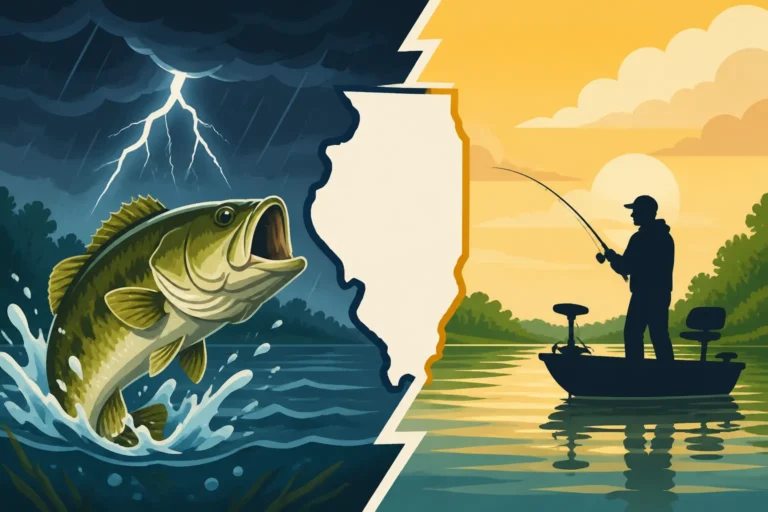
Ah, the dreaded cold front! We've all been there – planning an epic fishing trip, checking the forecast, and then bam, a sudden drop in temperature and a shift in pressure just before you hit the water. It can feel like the fish vanish into thin air, leaving you staring at an empty cooler and wondering what went wrong. But don't despair! This guide is here to unravel the mysteries of cold front fishing in Illinois, helping you understand how fish react and, more importantly, how you can adapt your techniques to still find success, even when the weather turns fickle.
Understanding the Impact of Cold Fronts on Fish Behavior
When a cold front rolls through Illinois, it's not just the air temperature that plummets; a cascade of changes occurs in the aquatic environment, and fish feel every single one of them. For us anglers, it often means the bite shuts down, but it's not because the fish disappear. It's because their world has been fundamentally altered, and their priorities shift.
The Immediate Aftermath: Shock and Shutdown
Imagine going about your day, everything is comfortable, and then suddenly, your environment changes drastically – the temperature drops, the lights get brighter, and your ears pop. That's a bit like what fish experience. The rapid change in barometric pressure, specifically the rising pressure that follows a cold front, is a huge factor. Fish have a swim bladder that helps them maintain buoyancy, and these quick pressure changes can be quite uncomfortable, making them feel out of sorts.
Many popular Illinois species, like largemouth bass, crappie, and even walleye, often respond by becoming lethargic. They'll typically move from their active feeding areas in shallower water to deeper, more stable locations. Their metabolism slows down, and their drive to actively chase prey diminishes significantly. They're in survival mode, prioritizing comfort and safety over an easy meal. This immediate shock can make the fishing incredibly tough for the first 24-48 hours after a severe front passes. You might cast your favorite crankbait or jig through prime spots only to be met with absolute silence.
Long-Term Effects: Adapting to Stable Cold Weather
While the initial shock of a cold front can be brutal, fish do eventually adapt if the colder weather stabilizes. Once the barometer levels out and the water temperature drops consistently, fish adjust their behavior patterns. They still won't be as aggressive as they might be during stable, warmer periods, but they'll resume feeding, albeit more sparingly and often in concentrated areas.
In larger Illinois lakes like Lake Shelbyville or Carlyle Lake, or even deeper sections of the Illinois River, fish will seek out areas where the water temperature is most stable. This often means deeper water, but not always the deepest part of the lake. They might find comfort in submerged timber, brush piles, or along channel edges where currents are minimal and temperature fluctuations are less severe. Their feeding windows will be shorter and less frequent, requiring more patience and a precise presentation from anglers. Understanding these nuances is key to turning a challenging day into a rewarding one. You'll want to review your Illinois Fishing Seasons Guide to understand general patterns, but always layer that with real-time weather observations.
The Role of Barometric Pressure and Water Temperature
Let's get a little scientific for a moment, because understanding the underlying forces truly helps. Barometric pressure, which measures the weight of the air above the earth, is a huge indicator for fish activity. Before a cold front, pressure typically drops, making fish more active and often leading to a "feeding frenzy" as they sense a change coming. However, after the front passes, the pressure rises rapidly and then stabilizes at a higher point. This higher, more stable pressure can press down on a fish's swim bladder, making them uncomfortable and causing them to seek deeper water where the water pressure equalizes the external pressure.
Water temperature is another critical factor. Fish are cold-blooded, so their metabolism directly correlates with water temperature. When the water temperature drops significantly due after a cold front, their digestive processes slow down, and they require less food. This is why you'll need to slow down your retrieve and use smaller baits. For species like walleye, which are already sensitive to light, the often-clearer skies and brighter sunlight that follow a cold front can push them even deeper or into thicker cover. Conversely, knowing the typical Water Temperature and Fish Activity Guide for different species can give you an edge, helping you predict which fish might be most affected.
Locating Fish After a Cold Front in Illinois Waters
So, the front has passed, the air is crisp, and the fish are… somewhere. The biggest challenge now is figuring out where they've gone. They don't disappear, they just relocate to their preferred comfort zones. Successfully finding them is half the battle.
Deeper Water and Stable Cover
When a cold front hits, one of the most reliable strategies is to abandon the shallow water you might have been fishing and head for deeper, more stable environments. Fish are seeking refuge from rapid temperature fluctuations and increased light penetration. This means they'll often stack up in or around the deepest available cover in their immediate area.
Think about submerged brush piles, rock piles, old creek channels, and main lake points that drop off quickly into deeper water. These locations offer both depth and structure, providing a sense of security and a stable environment. For instance, on Kinkaid Lake, famous for its clear waters, bass might move from shallow weed lines to deep rock bluffs or even into the submerged timber. On a sprawling lake like Rend Lake, crappie might move from shallow spawning areas to suspended over creek channels or tightly grouped around deep brush piles that have been placed by anglers or fallen naturally. It's about finding those places where the conditions are most consistent, allowing fish to conserve energy.
Targeting Structure and Transition Zones
Fish that are in a cold front funk will often position themselves tightly to structure. This isn't the time for aggressive chases; they want the meal brought to them, and they want it right against their hiding spot. Look for docks with deep water access, laydowns that extend into significant depths, bridge pilings, or even submerged humps and roadbeds. The key here is precision casting. You need to get your bait right in their face.
Transition zones are also goldmines. These are areas where two different types of habitat meet, especially if one offers deeper water. Picture a shallow flat suddenly dropping into a deep creek channel, or a hard, rocky bottom transitioning to soft mud. Fish will often stage right on the edge of these transitions. In the Illinois River, for example, walleye might move from main channel current breaks to the deeper scour holes where the channel meets a shallower flat. The idea is that they can easily move up to feed if a small window opens, but they have immediate access to the safety and stability of deeper water. This is where a good fish finder really earns its keep.
Focus on Remaining Warm Water Pockets
While the overall trend is toward colder water, some areas retain heat longer or are actively warmer. These can be absolute magnets for cold-front fish. Banks that receive direct sunlight for much of the day, particularly those with a dark, rocky bottom, will absorb heat and can be a few degrees warmer than surrounding areas. Marinas and boat slips can also offer shelter and sometimes slightly warmer water due to reduced wind exposure and the presence of man-made structures that absorb heat.
Perhaps the most prominent example in Illinois is Clinton Lake, known for its power plant discharge. The warm water outflow from the power plant creates an oasis for fish year-round, making it a hotspot during cold fronts and even in winter. While not every lake has a power plant, look for any area that might offer a slight thermal advantage – even a sun-drenched shallow cove that warms up a degree or two on a bright afternoon can make a big difference, especially for panfish. When the bite is tough, a small temperature advantage can mean the difference between an empty livewell and a decent day.
Adapting Your Presentation: Lures and Techniques
Once you've zeroed in on where the fish are hiding, the next hurdle is convincing them to bite. Aggressive, fast-moving presentations that worked before the front will likely be ignored. This is the time to embrace patience, finesse, and subtlety.
Slow and Subtle Presentations
This is perhaps the most crucial adjustment you can make after a cold front. Fish are lethargic, and their metabolism is slowed. They're not going to expend much energy chasing a fast-moving meal. Your retrieve speed needs to slow down drastically. Think agonizingly slow. Let your baits sit longer, use longer pauses, and impart minimal action.
Finesse techniques become your best friends. Drop shots are excellent for suspended fish or those tight to vertical structure, allowing you to keep a bait in the strike zone for extended periods. Ned rigs, with their buoyant, mushroom-shaped jig heads and small plastic worms, stand up off the bottom, presenting an irresistible, easy target. Shaky heads, another classic finesse setup, also excel at slowly working cover. Small jigs tipped with tiny soft plastics or live bait, worked slowly along the bottom, can be incredibly effective for crappie and bluegill that are hunkered down. Sometimes, the smallest disturbance or the gentlest twitch is all it takes to trigger a reaction strike from a finicky fish. You can find a huge variety of these finesse baits on Amazon, often in multi-packs to experiment with different colors.
Vertical Jigging and Bottom Bouncing
When fish are tightly concentrated in deeper water or hugging specific pieces of structure, a vertical presentation is often the most efficient way to get your bait to them. This technique is particularly deadly for walleye, crappie, and even some bass species in cold water. Using your fish finder, identify schools of fish or key pieces of structure, then drop your lure directly down onto them.
Blade baits, like a Silver Buddy or a Heddon Sonar, are excellent for vertical jigging, creating vibration and flash with minimal effort. Spoons, such as Hopkins Shorty or Kastmaster, flutter enticingly as they fall and are easy to jig. Small jigs tipped with live minnows or soft plastics (like a Berkley Gulp! Minnow) can be deadly for crappie suspended in brush piles. For catfish, especially channel and blue cats holding in deeper river channels, bottom bouncing with heavier weights and cut bait or prepared baits can be effective. This involves slowly drifting or trolling your bait along the bottom, allowing it to occasionally bounce and stir up sediment, attracting curious fish. This approach perfectly complements what you'd learn about Catfish Fishing Techniques and Bait Guide.
Live Bait and Scent Attractants
When fish are shut down and unwilling to chase artificial lures, live bait often provides the undeniable advantage. There's just something about the natural movement, scent, and taste of a live minnow, worm, or crawfish that can coax a bite from even the most stubborn fish. For crappie and walleye, a lively minnow presented on a small jig or under a bobber can be irresistible. Nightcrawlers or red worms are panfish magnets, especially for bluegill and redear sunfish hiding near cover.
Scent attractants can also play a crucial role. Applying a gel or spray scent to your artificial lures can provide an extra level of appeal, masking any unnatural odors and adding a burst of flavor that encourages a fish to hold on longer, giving you more time to set the hook. Brands like Berkley PowerBait or Pro-Cure offer a variety of scents designed to mimic natural forage. Remember, when fish are sluggish, every little advantage helps. You'll find a wide selection of these on Amazon to help you through those tough days.
Essential Gear and Strategy for Cold Front Conditions
Having the right gear and a solid strategy can transform a frustrating cold front outing into a successful learning experience. It’s not just about the lures; it’s about having the tools to detect those subtle bites and the mindset to keep at it.
Selecting the Right Rods, Reels, and Line
When the bite is light, your equipment becomes an extension of your senses. You'll want to lean towards lighter, more sensitive setups.
- Rods: Look for medium-light to medium power spinning rods with a fast or extra-fast action. This provides the sensitivity to detect faint taps and the quick tip recovery for fast hooksets. A graphite blank is generally more sensitive than fiberglass. For instance, a 6'6" to 7' medium-light rod is perfect for working Ned rigs or drop shots.
- Reels: Pair these rods with a good quality spinning reel in the 1000 to 2500 size range. Smooth drag is paramount, as you'll often be using lighter lines, and you don't want to break off a good fish.
- Line: This is critical. Fluorocarbon line is an excellent choice for cold front conditions because of its low visibility (it's nearly invisible underwater) and its excellent sensitivity. It also sinks, which can be an advantage when working bottom baits. Typically, 4-8 pound test fluorocarbon is ideal for finesse techniques. If you're fishing heavier cover, you might opt for a braided main line with a fluorocarbon leader for maximum sensitivity and strength, a setup commonly used for bass in Best Bass Fishing Lakes in Illinois. You can easily find high-quality fluorocarbon lines on Amazon.
Fish Finders and Mapping Software
Modern electronics are game-changers in cold front fishing. They allow you to quickly and efficiently locate the areas where fish are likely to be holding, saving you countless hours of blind casting.
- Fish Finders: Units with down imaging and side imaging capabilities are incredibly valuable. Down imaging helps you see structure directly beneath your boat with photographic clarity, allowing you to discern individual logs, rock piles, or even fish nestled within cover. Side imaging extends your view out to the sides, enabling you to scan vast areas quickly for submerged structure or schools of fish without having to drive directly over them. This is especially useful for finding those subtle transition zones or isolated pieces of cover that might be holding fish.
- Mapping Software: Integrated GPS and detailed contour maps are essential. Pre-fishing by studying contour lines can help you identify sharp drop-offs, creek channels, and humps before you even launch your boat. Many modern units come pre-loaded with detailed Navionics or LakeMaster charts, which provide depth contours, navigation aids, and even highlight specific bottom compositions. This allows you to pinpoint potential cold-front sanctuaries from your couch and then navigate directly to them on the water, greatly increasing your efficiency. For those fishing larger bodies of water, exploring different types of Best Fishing Boats for Illinois Lakes can also impact your electronics setup.
Patience, Persistence, and Presentation Adjustments
Fishing after a cold front is often a grind. It requires a mental toughness that tests even the most seasoned anglers.
- Patience: Expect fewer bites, and don't get discouraged by long lulls. Focus on making perfect casts and working your bait exactly as intended.
- Persistence: Keep moving, but don't just skim the surface. Thoroughly work each piece of promising structure or depth contour before moving on. Make multiple casts from different angles to ensure you present your bait to any fish holding there.
- Presentation Adjustments: This is where the true art comes in. If a slow retrieve isn't working, try slowing it down even more. If a small jig isn't getting bites, try tipping it with a minnow. Experiment with different colors, slight changes in jigging cadence, or letting your bait sit motionless for longer periods. Sometimes, the fish only react to a specific movement or a particular color on a given day. Keep a mental log or even a small notebook of what works and what doesn't. Remember, fish after a cold front are not actively searching; you need to present the meal in the least effortful way possible for them to take it.
Safety Considerations for Cold Weather Fishing
While the focus is often on catching fish, your safety should always be the top priority, especially when dealing with the colder conditions that accompany a cold front. Illinois winters, springs, and even late falls can be brutally cold, and water temperatures can be dangerously low.
Dressing in Layers and Hypothermia Prevention
The key to staying warm and safe in cold weather is dressing in layers. Start with a moisture-wicking base layer (synthetics or wool, never cotton, as cotton loses its insulating properties when wet). Add insulating mid-layers like fleece or down for warmth. Finally, top it off with a waterproof and windproof outer shell. This system allows you to adjust your clothing as conditions change throughout the day.
Pay special attention to your extremities. A good hat is crucial, as a significant amount of body heat is lost through your head. Insulated, waterproof gloves are a must, and warm, waterproof boots will keep your feet comfortable and dry. Consider bringing chemical hand warmers for extra comfort. Hypothermia is a serious risk when air and water temperatures are low. Symptoms include shivering, confusion, slurred speech, and loss of coordination. If you or someone you're with experiences these symptoms, seek immediate medical attention. Always err on the side of caution and overdress rather than underdress.
Boat Safety and Emergency Preparedness
If you're heading out on the water in a boat during or after a cold front, cold water immersion is a very real danger. Even on a relatively mild day, falling into cold water can quickly lead to incapacitation and hypothermia.
- Wear your life jacket (PFD): This is non-negotiable in cold weather. An Illinois-approved PFD will keep you afloat and provide some thermal insulation, drastically increasing your survival time if you go overboard. Make sure everyone on board, especially children, is wearing a properly fitting life jacket. Reviewing Illinois Life Jacket and PFD Rules is always a good idea.
- Dry Bag with Spare Clothes: Always have a waterproof dry bag containing a complete set of warm, dry clothes. If someone gets wet, changing into dry clothes immediately can prevent hypothermia.
- Communication: Ensure your phone is fully charged and stored in a waterproof case. A marine radio is also highly recommended, especially on larger bodies of water like Lake Michigan or the Mississippi River, as cell service can be spotty.
- Tell Someone: Always let someone know where you're going, when you expect to return, and what your float plan is.
- Emergency Kit: Your boat should have a well-stocked emergency kit, including flares, a first-aid kit, and a whistle or horn. An Illinois Boating Safety Equipment Checklist can ensure you're covered.
Ice Formation and Unpredictable Conditions
Early and late-season cold fronts can sometimes bring unpredictable ice formation, especially in smaller, shallower bodies of water. Always be aware of ice conditions if you're fishing during shoulder seasons. Never venture onto ice that isn't at least 4 inches thick for a single person, and always follow local ice fishing safety guidelines.
Even without ice, cold fronts often bring strong winds and choppy water, making boating hazardous. Always check the marine forecast before heading out, and be prepared to stay home or cut your trip short if conditions worsen. Unpredictable weather is a hallmark of Illinois, and being prepared means respecting the elements and knowing your limits.
| Fish Species | Typical Cold Front Reaction | Preferred Cold Front Locations | Recommended Baits/Techniques |
|---|---|---|---|
| Largemouth Bass | Moves deep, tight to cover, lethargic. | Deep creek channels, rock piles, submerged brush, main lake points, docks with deep access. | Ned rigs, drop shots, shaky heads, jigs with slow retrieves, small crankbaits (slow-rolled). |
| Smallmouth Bass | Moves to deeper rock piles, bluff walls, current breaks in rivers. | Deep rocky structure, current seams, bluff walls, main channel edges. | Drop shots, tube jigs, small grubs on jig heads, blade baits, live minnows. |
| Walleye | Holds tight to bottom, deeper points, channel edges, current breaks. | Deep main lake points, channel edges, humps, current breaks in rivers, deep rock piles. | Vertical jigging with spoons or blade baits, jigs with minnows, slow-trolling deep crankbaits or live bait rigs. |
| Crappie | Suspends in brush piles, timber, or over deep channels; tight to structure. | Submerged brush piles, standing timber, bridge pilings, deep dock structures, creek channels. | Small jigs with soft plastics (1/16-1/32 oz), minnows under bobbers, vertical jigging small spoons. |
| Catfish | Moves to deepest channels, scour holes, strong current breaks. | Main river channels, deep holes, log jams in deep water, current breaks behind large structures. | Bottom rigs with cut bait (shad, carp), prepared stink baits, live worms, trotlines (where permitted). |
Disclaimer
The information provided in this guide is for general informational purposes only and does not constitute legal advice or a substitute for official regulations. Fishing regulations, license requirements, and safety guidelines can change. Always consult the most current Illinois Department of Natural Resources (IDNR) fishing guide and local regulations before heading out. Personal safety is paramount; always assess conditions and exercise caution on and around the water.