Walleye Jigging Techniques
There’s nothing quite like the thrill of feeling that subtle thunk on your line, setting the hook, and realizing you’ve just connected with a hard-fighting walleye. But let's be honest, finding and catching these elusive fish, especially in Illinois waters, can sometimes feel like trying to solve a complex puzzle. Many anglers struggle to consistently put walleye in the boat or on the bank, often sticking to traditional methods that might not always cut it. This comprehensive guide is here to demystify one of the most effective and exciting ways to target walleye: jigging. We’ll break down everything you need to know, from understanding their behavior to choosing the right gear and mastering various jigging techniques, so you can increase your success on the water.
Understanding Walleye Behavior and Habitat for Jigging Success
Before you even think about dropping a jig into the water, you've got to get inside the head of a walleye. These aren't just any fish; they're finicky, light-sensitive, and often relate to very specific structures. Knowing where they are and why they're there is half the battle won, especially when it comes to effective jigging. You wouldn't throw a dart blindfolded and expect to hit the bullseye, right? The same goes for walleye fishing.
Seasonal Movements and Preferred Depths
Walleye are constantly on the move, dictated by water temperature, forage availability, and spawning cycles. In early spring, right after the ice melts, they’re often found in shallower areas, especially rocky shores, creek mouths, and river sections where they stage for the spawn. This is a prime time for aggressive jigging, as they're hungry and active. As the water warms into summer, they tend to retreat to deeper, cooler sections of lakes and rivers, often congregating around main lake points, submerged islands, or deep river bends. They become more light-sensitive, often feeding most actively during low-light conditions like dawn, dusk, or even at night.
Come fall, as water temperatures begin to drop again, walleye often move back into shallower to mid-depth ranges, putting on the feedbag for winter. This fall bite can be incredibly productive, with fish actively chasing bait. Finally, in winter, if you're brave enough for ice fishing, walleye will often hold to distinct deep structures, sometimes in suspended schools, but more often tightly to the bottom near humps and drop-offs. Understanding these seasonal shifts helps you pinpoint your starting locations and select the appropriate jigging depth and presentation. For a broader overview of when these fish are most active, check out our guide on the Best Time to Fish in Illinois.
Key Structures and Cover Walleye Favor
Walleye are ambush predators, and they love structure. Think of them as underwater couch potatoes waiting for dinner to swim by. In lakes, you'll often find them lurking near rocky humps, submerged islands, deep weed lines, rock piles, and points that drop off into deeper water. These areas provide cover from the sun and current, as well as prime ambush points for passing baitfish. Don't overlook old roadbeds, submerged timber, or even bridge pilings, especially on larger Illinois lakes like Lake Shelbyville or Rend Lake.
In rivers, current becomes a major factor. Walleye will position themselves in current breaks—behind wing dams, large rocks, bridge pilings, or along the inside bends of rivers where the current is slower. These spots allow them to conserve energy while waiting for food to be swept past them. They'll also hold to deep holes, scour marks, and current seams where faster water meets slower water. Understanding how current influences their positioning is paramount to presenting your jig effectively. Many anglers find great success targeting these structures on the Illinois River and Mississippi River, where you can also learn about Illinois Walleye Fishing Season on the Mississippi River.
Essential Walleye Jigging Gear: Rods, Reels, and Lines
Having the right tools for the job makes all the difference, especially when you're trying to detect those incredibly subtle walleye bites. You don't need to break the bank, but investing in quality, sensitive gear will drastically improve your success rate and overall enjoyment. Think of it as having a direct line of communication with what's happening underwater.
The Right Rod Action and Length
For walleye jigging, sensitivity is king. You want a rod that can transmit even the slightest tap from a walleye. This usually means a medium-light to medium power rod with a fast or extra-fast action. The "power" refers to how much force it takes to bend the rod, while "action" describes where the rod bends. A fast action means the rod bends mostly in the tip section, offering maximum sensitivity and quick hook-sets.
A good length for jigging is typically between 6'6" and 7'6". Shorter rods (6'6" to 7') are excellent for vertical jigging directly under the boat or for precise casting in tighter spots. They offer more control and accuracy. Longer rods (7' to 7'6") excel at pitching jigs, especially when you need to make longer casts or sweep a jig horizontally. They also provide better leverage for fighting larger fish and picking up line quickly. Many reputable brands offer excellent walleye jigging rods, and you can often find great deals on specific models designed for finesse techniques on platforms like Amazon.
| Rod Power | Rod Action | Typical Length | Primary Use Case | Benefit |
|---|---|---|---|---|
| Medium-Light | Fast/Extra-Fast | 6'6" – 7'0" | Finesse jigging, light jigs (1/8 – 1/4 oz) | Maximum sensitivity, subtle bite detection |
| Medium | Fast/Extra-Fast | 7'0" – 7'6" | All-around jigging, heavier jigs (1/4 – 1/2 oz), pitching | Versatile, good for various conditions and depths |
Choosing a Sensitive Reel and Line Type
Pair your sensitive rod with a high-quality spinning reel in the 1000 to 2500 size range. A smooth drag system is crucial, as walleye can make powerful runs, especially when hooked in current. Look for a reel with minimal play in the handle and a quick retrieve ratio to pick up slack line efficiently. The smoother the reel, the less distraction you’ll have, allowing you to focus purely on feeling those bites.
When it comes to line, braided line is the undisputed champion for jigging. Its lack of stretch offers unparalleled sensitivity, letting you feel every bump, scrape, and, most importantly, every bite. A common setup is 6-10 lb test braided line, which has a very thin diameter for its strength, allowing jigs to sink faster and cut through current better. Because braid is visible underwater and doesn't offer much abrasion resistance against rocks, most anglers tie a 6-10 lb fluorocarbon leader (6-10 feet long) to the end of their braid using a strong knot like an Albright or an FG knot. Fluorocarbon is nearly invisible underwater and provides excellent abrasion resistance, giving you the best of both worlds. You can find a wide array of high-quality braided lines and fluorocarbon leaders, often in combo packs, on Amazon.
Popular Walleye Jigging Techniques Explained
Jigging for walleye isn't a one-size-fits-all approach. Different situations call for different techniques, and mastering a few key presentations will make you a much more versatile and successful angler. It’s all about adapting to what the fish are telling you.
Vertical Jigging for Deeper Waters
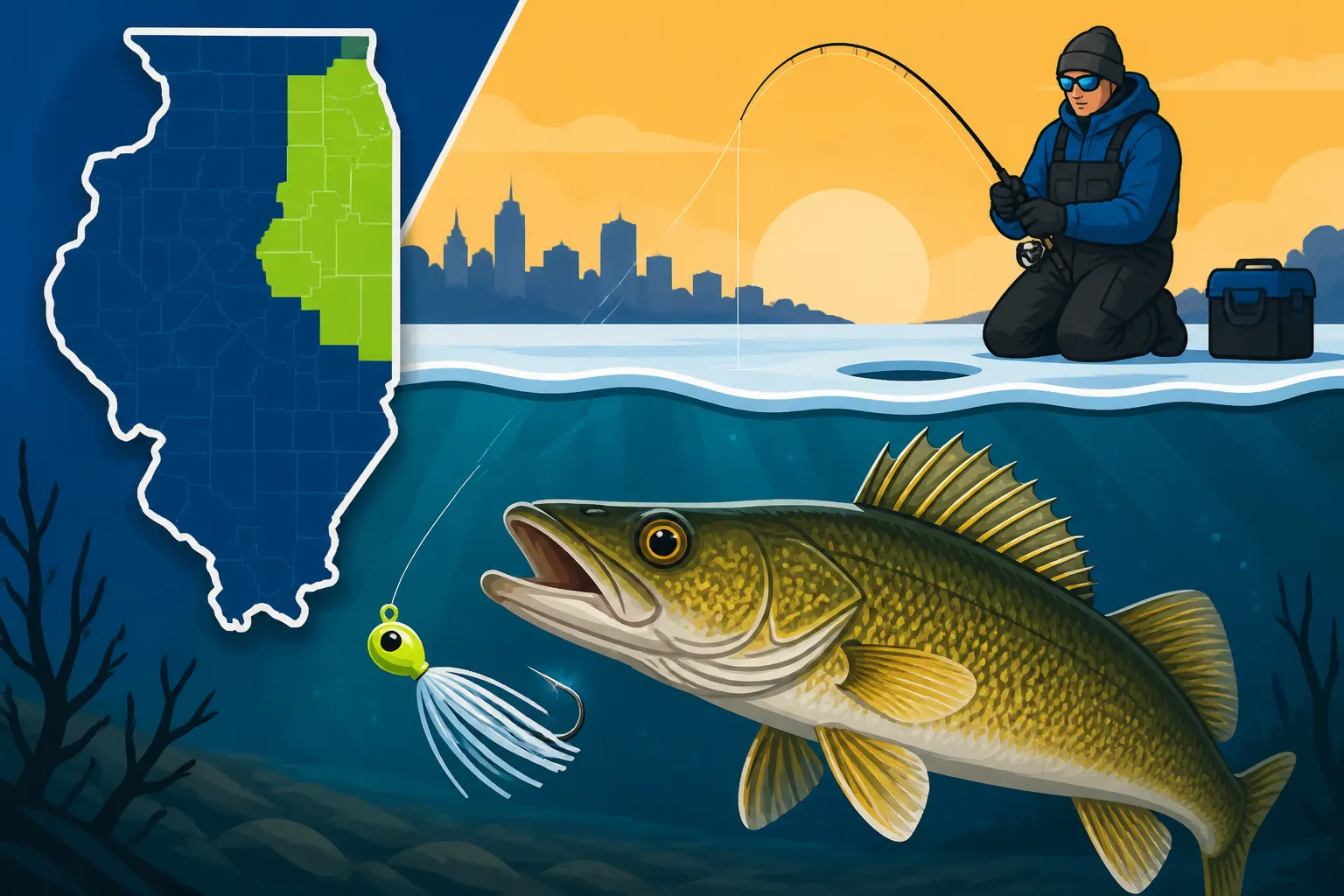
Vertical jigging is perhaps the most fundamental and effective jigging technique, especially when walleye are holding tight to deep structure or are suspended in open water. This method involves positioning your boat directly over the fish, usually identified with your sonar, and dropping your jig straight down to them. The goal is to keep your line as vertical as possible, minimizing the scope. Once your jig hits the bottom, or the target depth, impart action with short, sharp snaps of your wrist, then let the jig fall back on a semi-slack line. Many bites occur on the fall, so pay close attention.
The key here is contact. You want to feel your jig hitting the bottom, or ticking off structure, and then immediately detect any deviation from that. Experiment with the height of your jigging strokes – sometimes a subtle 6-inch lift is all it takes, other times a more aggressive 2-3 foot rip is needed to trigger a strike. Pay attention to how the current affects your jig's weight and action. If the current is strong, you might need a heavier jig to maintain contact with the bottom. This technique is especially deadly during the colder months or when walleye are lethargic. For those looking to refine their approach, exploring more about How to Jig for Walleye can provide additional insights.
Snap Jigging and Pitching for Aggressive Bites
When walleye are more active and spread out, or when you're fishing shallower areas, snap jigging and pitching can be incredibly effective. Snap jigging involves casting your jig out, letting it sink to the desired depth, and then retrieving it with a series of sharp, upward snaps of the rod tip, followed by pauses where the jig flutters down. This aggressive, erratic action often mimics a fleeing baitfish, triggering reactive strikes from walleye. It's particularly good in areas with moderate depth and decent visibility, allowing the walleye to track the lure.
Pitching jigs, on the other hand, is about accuracy and stealth. Instead of dropping vertically, you cast your jig ahead of your boat to a specific piece of structure, like a rock pile, a submerged log, or the edge of a weed line. Let the jig sink, then work it back with subtle lifts and drops, trying to keep it in the strike zone for as long as possible. This is excellent for targeting shallow-water walleye without spooking them with your boat overhead. It's also fantastic for working shorelines or rip-rap. Both techniques benefit from covering water, so making multiple casts to different angles around your target area is a good strategy.
Trolling with Jigs and Blade Baits
While often associated with crankbaits or spinner rigs, trolling with jigs and blade baits is a fantastic, often overlooked technique for walleye, especially when they're scattered or you're trying to cover large areas of water. This method allows you to present your jig at a consistent depth and speed, which can be crucial for enticing finicky walleye. Instead of casting and retrieving, you simply let out line, and the boat's movement gives the jig its action. This can be particularly effective in large reservoirs like Carlyle Lake or Lake of Egypt. For more comprehensive trolling advice, our Walleye Trolling Techniques guide offers a deeper dive.
When trolling with jigs, heavier jig heads (typically 1/2 oz to 1 oz or more, depending on depth and speed) are usually needed to maintain bottom contact or target specific depths. You can tip these jigs with soft plastics, a live minnow, or a piece of nightcrawler for added attraction. Blade baits, like those from Johnson or Heddon, are also excellent for this application. Their vibrating action and flash can draw strikes from a distance. Experiment with different speeds and line lengths to find the sweet spot, paying close attention to your fish finder to identify preferred depths. Sometimes, a subtle lift and drop of the rod while trolling can trigger a hesitant bite. This approach is a great way to locate active schools of walleye quickly.
Selecting the Best Jigs and Baits for Illinois Walleye
The world of walleye jigs and baits is vast and can be overwhelming. But fear not! A few go-to options will serve you well in most Illinois walleye scenarios. It's about having a selection that allows you to adapt to water conditions, light levels, and the mood of the fish.
Jig Head Styles and Weights
The jig head is the foundation of your jigging presentation. Its shape, weight, and hook size all play a role in how it looks and acts in the water.
- Round Head Jigs: These are the most common and versatile. They offer a natural fall and are excellent for vertical jigging or casting. Weights from 1/8 oz to 1/2 oz cover most lake and river applications.
- Stand-Up Jigs: Designed with a flat bottom, these jigs sit upright on the lakebed, keeping your bait off the bottom and highly visible. They're fantastic for presenting live bait like minnows or leeches. Brands like Northland Tackle make excellent stand-up jigs.
- Football Jigs: Named for their shape, football jigs are great for fishing rocky bottoms. They resist snagging better than round heads and have a unique wobble on the retrieve.
- Minnow Head Jigs: Shaped like a minnow head, these jigs often have realistic eyes and features, making them ideal for tipping with live minnows or soft plastic minnow imitators.
- Blade Baits: While not strictly a jig head, blade baits are often jigged vertically or cast and retrieved with excellent results. Their thin metal body vibrates intensely on the retrieve or during a lift-and-fall, mimicking distressed baitfish.
As for weight, always start with the lightest jig possible that still allows you to maintain bottom contact or reach your desired depth. Too heavy, and your presentation will look unnatural; too light, and you won't feel anything. This is where having a selection of weights, easily found on Amazon, comes in handy.
Soft Plastics, Live Bait, and Scent Additives
Once you have your jig head, what do you put on it? This is where the magic happens.
- Soft Plastics: These are incredibly popular for their versatility and durability.
- Paddle Tails: Mimic baitfish with a vibrant swimming action. Sizes from 2-4 inches are ideal.
- Grubs/Curl Tails: Offer a subtle, undulating action that can be irresistible to walleye.
- Minnow Imitators: Realistic profiles that can be deadly when tipped on a minnow head jig. Colors vary by water clarity, but natural colors like shad, perch, or white are always good starting points. Chartreuse, orange, and firetiger can be great in stained or dark water.
- Live Bait: Sometimes, nothing beats the real thing.
- Minnows: By far the most popular live bait for walleye. Shiner minnows, fatheads, or even small chubs are excellent. Hook them lightly through the lips or just behind the dorsal fin.
- Nightcrawlers: Especially effective when fished on a "worm harness" or threaded onto a jig for a bulkier, scent-laden presentation.
- Leeches: Tough, lively, and a walleye favorite, particularly in warmer water.
- Scent Additives: Walleye have an excellent sense of smell. Adding a scent like Pro-Cure, Gulp!, or Smelly Jelly to your soft plastics or even live bait can significantly increase your strike ratio, especially when fish are hesitant. A dab of garlic or shad scent can make all the difference on a tough bite. Considering the many factors influencing their bite, learning about Best Walleye Bait for Rivers can further enhance your bait selection.
Reading the Water and Adapting Your Approach
No two fishing days are exactly alike, and the most successful walleye anglers are those who can quickly read the conditions and adapt their strategy. This isn't just about having the right gear; it's about using your senses and technology to understand what's happening beneath the surface.
Locating Walleye with Electronics
In modern walleye fishing, your fish finder (sonar) is your best friend. It’s no longer just a luxury; it’s an essential tool for locating fish and understanding the structure they’re holding to.
- 2D Sonar: This traditional sonar is great for showing you fish arches, baitfish schools, and changes in bottom contour directly beneath your boat. Pay attention to hard bottom returns (indicating rock or gravel) versus soft returns (mud or silt), as walleye prefer harder bottoms.
- Down Imaging/Side Imaging: These technologies provide picture-like views of what's below and to the sides of your boat. Down Imaging is excellent for identifying vertical structure and fish relating directly to it, while Side Imaging allows you to scan wide swaths of water, revealing rock piles, timber, or schools of fish that you might otherwise pass right over. Using Side Imaging, you can often spot a fish-holding structure well before your boat is directly over it, allowing for a stealthier approach.
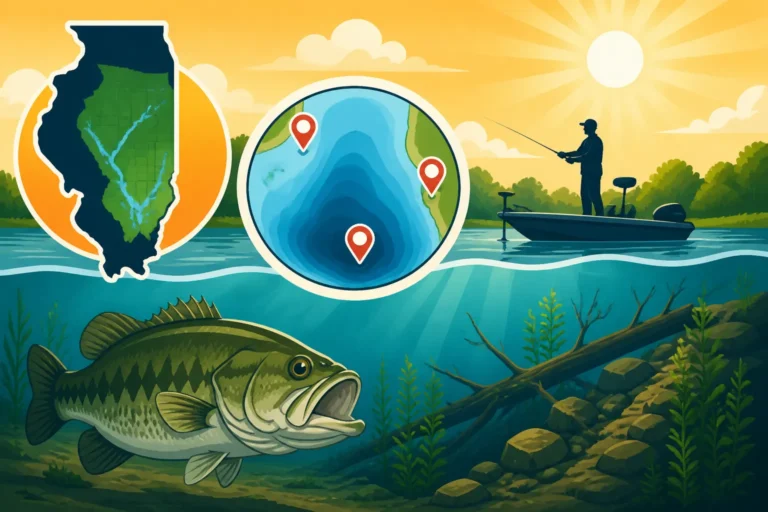
- GPS/Mapping: Modern fish finders integrate GPS with detailed lake maps. Use this to mark waypoints on productive spots, follow contour lines, and navigate efficiently. Mark those specific rock piles, humps, and points where you find fish. This information is invaluable for repeat success. You can also utilize mapping to find Best Walleye Fishing Spots in Illinois and mark them for future trips.
Spend time idling over potential walleye grounds, scanning with your electronics before you even drop a line. Look for baitfish schools, individual fish arches near the bottom or suspended, and distinct structural elements. The walleye might not always be directly on the bottom; sometimes they suspend just above it, or even in the middle of the water column if there’s a thermocline or baitfish present.
Adjusting to Weather, Current, and Water Conditions
Walleye are notoriously sensitive to environmental changes. Being able to adjust your jigging presentation based on these factors is critical.
- Weather: Overcast days or low-light conditions (dawn, dusk, stormy weather) are often prime walleye times, as they are light-sensitive. On bright, sunny days, walleye typically retreat to deeper water or dense cover. Adjust your depth and consider darker jig colors or those with UV enhancements. A sudden cold front can make walleye lethargic, requiring a slower, more subtle presentation. Conversely, stable, warm weather can make them more aggressive, allowing for faster retrieves and more erratic jigging actions.
- Current: In rivers, current is everything. Walleye will position themselves in current breaks to conserve energy. When jigging in current, you'll need heavier jigs to maintain bottom contact, and you'll want to present your jig upstream, allowing it to drift naturally into the strike zone. If the current is strong, a quicker snap-and-fall might be necessary to keep the jig from being swept away too quickly. When the current is slower, a more deliberate, slower jigging motion can be effective.
- Water Clarity: This significantly impacts jig color and retrieve speed. In clear water, natural baitfish colors (silver, white, perch patterns) and subtle actions are usually best. In stained or muddy water, brighter colors like chartreuse, orange, or firetiger, or those with strong UV properties, tend to stand out more. You might also need to retrieve slower in murky water, giving the fish more time to locate your jig by scent or vibration.
- Water Temperature: This is perhaps the most critical factor. Walleye are cold-blooded, and their metabolism is directly tied to water temperature. Colder water generally means a slower, more subtle presentation, while warmer water allows for more aggressive jigging. Knowing the optimal water temperatures for walleye activity (typically 55-70°F) can help you predict their behavior. You can often find this information from local bait shops or through online forums specific to Illinois fishing. Remember that Illinois Walleye Minimum Size Limit of 14 Inches and other regulations like Walleye Size Rule That Applies Across the Whole State still apply, so always check the latest Illinois Fishing Information Guide for specific body of water rules.
By paying attention to these factors and making informed adjustments, you'll be well on your way to becoming a more consistent and successful walleye jigging angler in Illinois.
Disclaimer
Fishing conditions and regulations in Illinois can change. Always consult the latest Illinois Department of Natural Resources (IDNR) fishing guide or website before heading out. This guide is for informational purposes only and does not supersede official regulations.