Best Backwater Lakes Along the Illinois River for Bass
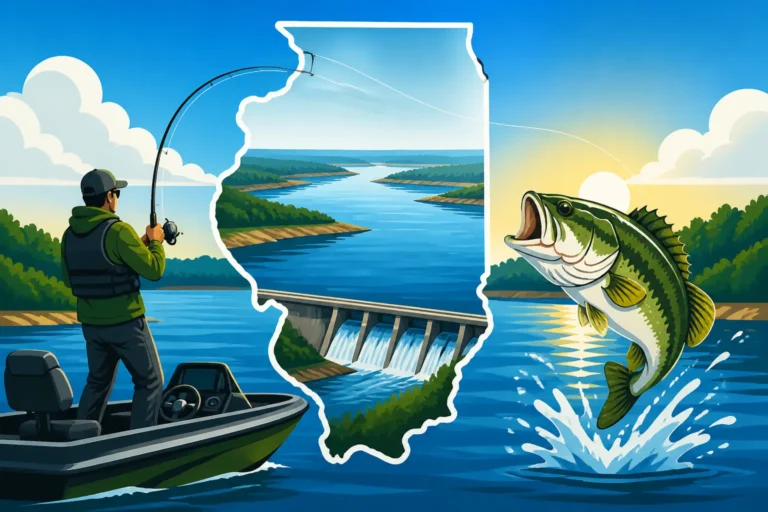
Finding those truly productive bass fishing spots along the mighty Illinois River can sometimes feel like hunting for a needle in a haystack, especially when the main channel is churning or the bite is tough. Anglers often get stuck in the main flow, overlooking the hidden treasures that lie just beyond the current. This comprehensive guide is here to shed light on some of the best backwater lakes and sloughs connected to the Illinois River, offering fantastic opportunities for largemouth bass that often go unnoticed by the casual fisherman.
Understanding Illinois River Backwaters for Bass
The Illinois River is a vast system, and its connected backwaters are ecological goldmines. These areas, often sheltered from the main river's strong currents and heavy boat traffic, provide unique environments that bass absolutely thrive in. If you've ever felt frustrated by a slow day on the main channel, venturing into these quieter zones can be a game-changer, but you need to understand why they're so special.
What Makes Backwaters Prime Bass Habitat?
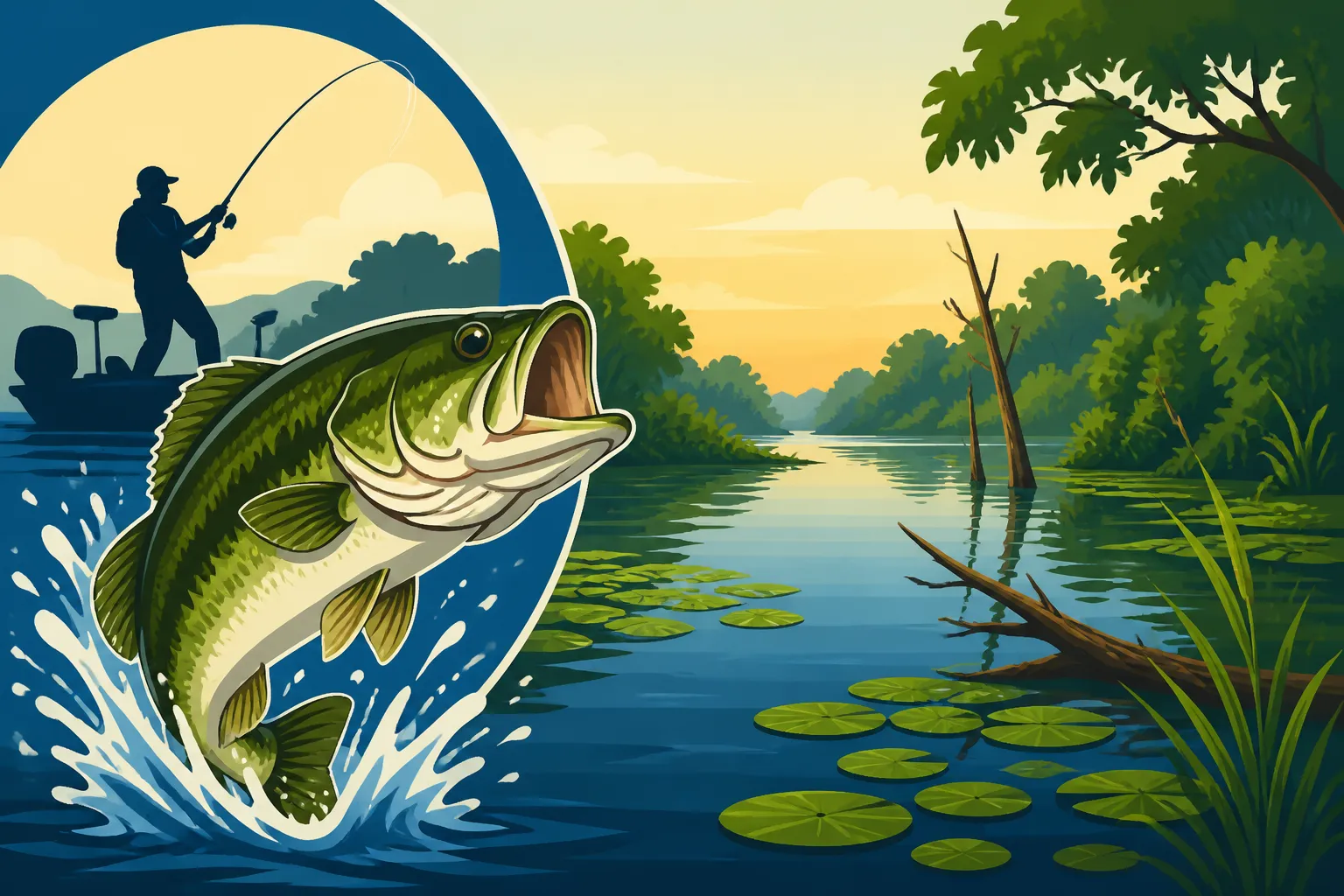
Backwater lakes and sloughs are essentially the river's nurseries and safe havens. They offer a triumvirate of critical elements that largemouth bass crave: abundant food sources, excellent cover, and ideal spawning grounds. Think of them as calm, protected neighborhoods compared to the bustling downtown of the main river. The slower current allows for more lush aquatic vegetation to grow, creating dense mats of lily pads, coontail, and various grasses. These plants are magnets for baitfish like minnows and shad, as well as insects and amphibians – all prime food for hungry bass.
Beyond food, this vegetation provides incredible cover. Bass are ambush predators, and they love to hide in the shadows of submerged logs, brush piles, and thick grass beds, waiting to strike unsuspecting prey. This cover also offers crucial protection from larger predators and the sun's harsh rays during hot summer months. Furthermore, many backwater areas feature shallower, stable bottoms, often composed of sand or gravel, which are perfect for bass during their spawning rituals in the spring. They’re looking for those protected, calm spots to lay their eggs, and the main river's constant flow just doesn't cut it. This makes understanding the Illinois Bass Spawn Timing Guide particularly useful for targeting these areas.
Navigating the Dynamics of River Systems
While backwaters offer sanctuary, they are still intrinsically linked to the main Illinois River, which means their conditions are heavily influenced by the river's ebb and flow. Water levels, current, and clarity can change dramatically, especially after heavy rains or prolonged dry spells. High water might connect areas that are usually isolated, allowing fish to move freely between the river and the backwaters, often bringing new populations into these sheltered zones. Conversely, low water can cut off access points, making some backwaters unreachable by larger boats or even isolating fish in stagnant pools.
Anglers need to be acutely aware of these dynamics. What was a productive spot last week might be completely different this week due to a change in river stage. Clarity is another huge factor; while the main Illinois River can often be murky, backwaters might clear up faster, making finesse presentations more effective. Conversely, heavy rains can muddy them just as quickly. Always check local river gauges and recent weather patterns before heading out. Understanding these fluctuating conditions is key to consistent success and knowing when the Best Time to Fish in Illinois might be in these unique locations.
Top Backwater Lakes Along the Illinois River for Bass
The Illinois River system is vast, stretching hundreds of miles. Along its course, numerous backwater lakes and sloughs provide excellent bass fishing. While many smaller, unnamed sloughs exist, some larger, more established backwater lakes consistently produce quality bass. These spots are renowned among local anglers who know how to navigate their unique characteristics.
Lake DePue: A Northern Illinois Gem
Nestled in Bureau County, just south of Spring Valley, Lake DePue is perhaps one of the most famous backwater lakes connected to the Illinois River. This long, narrow lake is actually an old oxbow of the river, now largely separated but still influenced by its water levels. It’s known for its incredibly dense aquatic vegetation, which can be both a blessing and a curse. For bass, it's a paradise, offering endless cover and ambush points. For anglers, it means you'll be spending a lot of time fishing in heavy weeds, so come prepared with the right gear.
Lake DePue has a strong reputation for producing solid largemouth bass, especially in the 2-4 pound range, with bigger fish certainly present. The challenge here is typically access during lower water conditions and navigating the thick weed beds. Early spring and late fall often provide the best fishing before the vegetation gets too thick in summer, though punching through mats can be highly effective in warmer months. There's a public boat ramp available, but always check conditions before launching, as the approach can be shallow. When fishing here, considering the Best Lures for Largemouth Bass Fishing in Spring or punching through dense mats with heavy jigs or Texas-rigged plastics can be highly effective.
Peoria Lake Backwaters: Urban Fishing Opportunities
While many think of Peoria Lake as simply a wide spot in the Illinois River right in the middle of Peoria, it’s surrounded by numerous smaller backwater areas, coves, and sloughs that can hold surprisingly good bass. These spots offer a fantastic opportunity for urban anglers or those looking for convenience near a larger city. Unlike DePue, these backwaters are often smaller, more numerous, and more directly influenced by the main lake and river's fluctuating levels. This direct connection means fish can move in and out of them more readily.
Key areas to explore might include the mouths of smaller creeks entering Peoria Lake or sheltered pockets formed by islands and dredge spoils. These spots often feature submerged timber, rock piles, and scattered vegetation, providing diverse cover. Popular access points can be found around public parks or boat launches dotting the shorelines. While not always trophy factories, these backwaters can yield consistent numbers of decent-sized largemouth. They are excellent places for a quick trip or for honing your skills without traveling far. If you're looking for more information on the main body of water, you'll want to read about Illinois River Fishing Spots Near Peoria.
Lake Chautauqua: A Southern Illinois Hotspot
Further south, near Havana, lies Lake Chautauqua, another significant backwater lake connected to the Illinois River. This expansive, shallow lake is part of the Emiquon National Wildlife Refuge, a massive wetland restoration project. It’s a bit different from DePue in its character, often featuring more open water sections interspersed with large areas of submerged and emergent vegetation. This biodiversity makes it a fantastic habitat for a wide variety of fish, including largemouth bass.
Lake Chautauqua is highly productive and can offer incredible bass fishing, particularly during stable water periods. The fish here benefit from the rich ecosystem and the protective regulations of the refuge. Anglers often find success working the edges of vegetation lines, submerged humps, and areas with standing timber. Access is typically via a public boat launch, and due to its size, it can accommodate larger boats, though shallow-draft vessels are always an advantage in backwaters. Always check specific refuge regulations before fishing, as certain areas or practices might be restricted to protect the fragile ecosystem. This area is a prime example of why checking site-specific rules is essential, as discussed in Why Fishing Rules Vary by Lake and River.
Essential Techniques and Gear for Backwater Bass Fishing
Fishing backwater lakes along the Illinois River requires a slightly different approach than fishing the main channel. The environment is often shallower, denser with vegetation, and calls for stealth and precision. You can't just bomb out a crankbait and expect consistent results; it's about getting into tight spaces and making presentations that entice bass out of heavy cover.
Lure Selection for Shallow, Vegetated Waters
When you're fishing these backwater areas, especially those choked with lily pads, submerged grass, or thick slop, your traditional open-water lures often won't cut it. You need baits that can either glide over the top, punch through the cover, or work effectively in tight pockets. Topwater lures are absolutely deadly in these environments, especially during low-light conditions or when bass are actively feeding near the surface. Frogs, poppers, and walking baits thrown over mats of vegetation can trigger explosive strikes that are unforgettable. For penetrating thicker cover, a heavy flipping or punching jig, often paired with a creature bait, is essential. These baits are designed with compact profiles and stout hooks to get through the thickest stuff and pull out big bass.
Soft plastics rigged weedless are also indispensable. Texas-rigged worms, craws, or senkos can be pitched into small pockets, along weed lines, or even directly into sparse vegetation. The key is to keep them weedless to avoid frustrating snags. Spinnerbaits and chatterbaits, especially those with compact profiles and single hooks, can also be effective when retrieved just above or through sparse vegetation, generating vibrations that attract bass in stained water. Having a diverse selection of these lures, ready for different types of cover, will significantly increase your success rate in these challenging yet rewarding backwaters.
Boat Access and Stealth Approaches
Accessing many of the best backwater bass spots along the Illinois River can be tricky. Some areas might have public boat ramps, while others might require launching smaller craft from less developed access points. For navigating shallow, weed-filled backwaters, smaller boats like jon boats, aluminum skiffs, or even kayaks are often ideal. They can get into places larger fiberglass bass boats simply can't, allowing you to reach untouched fishing grounds. If you're considering a more mobile approach, checking out the Best Kayak Models for Illinois Fishing might be a good idea.
Once you're in the backwater, stealth becomes paramount. Bass in these calmer, shallower environments are often warier than those in the main river. A quiet trolling motor is a must, allowing you to slowly creep along weed lines or into hidden coves without spooking fish. Avoid excessive noise, sudden movements, or dropping heavy items in your boat. When approaching a promising spot, try to stay as far back as possible and make long, accurate casts. Sometimes, anchoring quietly and fishing a specific area thoroughly before moving on can be more effective than constantly running your motor. Remember, you're entering their sanctuary, and a subtle approach will yield better results. Consider also researching the Best Fishing Boats for Illinois Rivers for more options suited to these diverse waterways.
Seasonal Strategies for Illinois River Backwaters
Just like any other fishing, success in Illinois River backwaters depends heavily on understanding seasonal bass patterns. The spring, especially during the pre-spawn and spawn, is arguably the prime time. As water temperatures rise, bass move into these shallower, protected backwaters to stage and eventually spawn. They’re often aggressive and easier to locate. Focus on shallower flats, protected coves, and the edges of major weed beds. This is when the Best Bait for Largemouth Bass Fishing in Spring truly shines.
Summer fishing in backwaters can be fantastic but challenging due to dense vegetation and heat. Bass will seek refuge in the coolest, shadiest, and densest cover they can find. This is when flipping and punching heavy jigs into thick mats becomes the go-to technique, often requiring patience and persistence. Early mornings and late evenings are often the most productive times. As fall approaches and water temperatures begin to drop, bass will become more active again, feeding heavily in preparation for winter. They might spread out a bit more, but will still relate to the remaining healthy vegetation or submerged structures, often chasing baitfish that are also moving into the backwaters. Finally, winter can be tough, but if backwaters remain ice-free, deep pockets or channels within them can hold lethargic bass. Always consult the Illinois Fishing Seasons Guide for broader understanding of fishing throughout the year.
| Backwater Lake Name | Primary Location | Typical Depth | Key Features for Bass | Best Access Method |
|---|---|---|---|---|
| Lake DePue | Bureau County | 3-6 feet | Dense Vegetation, Oxbow | Public Boat Ramp (shallow approach) |
| Peoria Lake Backwaters | Peoria Area | 2-10 feet | Creek Mouths, Dredge Spoil Islands, Submerged Timber | Various Public Ramps |
| Lake Chautauqua | Mason County | 3-8 feet | Extensive Wetlands, Vegetation Edges, Standing Timber | Public Boat Ramp (within refuge) |
Conservation and Responsible Angling in Backwaters
Fishing these unique backwater ecosystems comes with a responsibility to protect them. These areas are often more sensitive than the main river, and angler actions can have a more pronounced impact. Practicing responsible angling ensures these spots remain productive and healthy for generations to come.
Catch-and-Release Practices
While it's perfectly fine to keep a few fish for a meal within the Illinois Statewide Bass Fishing Limits, many anglers choose to practice catch-and-release, especially for larger bass. These big fish are crucial for the gene pool and reproductive success of the population. When you do catch a bass you intend to release, handling it properly is paramount. Minimize the time the fish is out of the water, support its body horizontally (especially larger fish), and avoid handling it by the jaw alone without supporting its weight. Wet your hands before touching the fish to protect its slime coat, which is vital for disease resistance.
Use single, barbless hooks or crimp down the barbs on your trebles to make hook removal easier and reduce damage to the fish. If a fish is deeply hooked, it’s often best to cut the line rather than try to extract the hook, increasing its chances of survival. Familiarizing yourself with specific recommendations, such as those found in Catch-and-Release Bass Seasons on Some Illinois Lakes, can ensure you're doing your part. Remember, every fish released healthily is an investment in future fishing opportunities.
Respecting Private Property and Ecosystems
Many backwater areas, while connected to public waterways, may have adjacent private property. Always be mindful of "No Trespassing" signs, and avoid going ashore or casting into private docks or shorelines without explicit permission. A little common courtesy goes a long way in fostering good relationships between anglers and landowners. Online platforms like FishingBooker can sometimes provide information on public access points or guided trips that operate within permissible boundaries, but always verify local signage.
Furthermore, the fragile ecosystems of backwater lakes are incredibly important. Avoid littering, and if you see trash, consider picking it up. Be careful not to disturb nesting birds or other wildlife, especially during sensitive breeding seasons. Watch your wake, particularly when navigating narrow channels, to prevent erosion of shorelines and disturbance to shallow areas. These backwaters are not just fishing spots; they are vital habitats for countless species, and our respectful stewardship ensures their health and vibrancy for everyone to enjoy. Understanding Illinois Largemouth Bass Length Limit and Daily Catch Rules is also part of being a responsible angler, ensuring sustainable populations for these fantastic backwater fisheries.
Disclaimer
The information provided in this guide is for general informational purposes only and is subject to change. Always consult the latest Illinois Department of Natural Resources (IDNR) regulations and local signage before fishing, as rules and conditions can vary by specific location and time of year. Safety should always be your top priority when on the water.