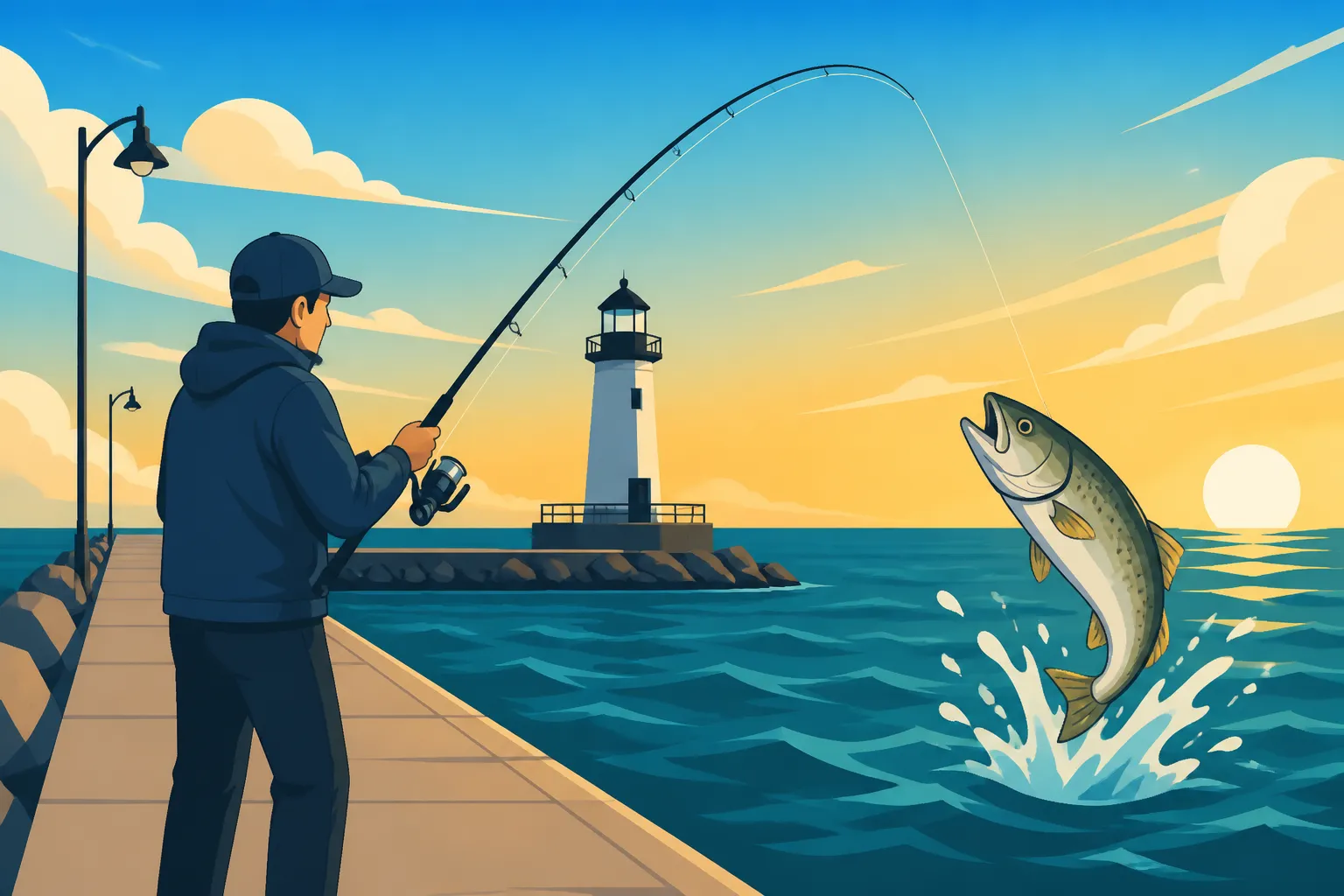
Lake Michigan Pier Fishing Near Waukegan, Illinois
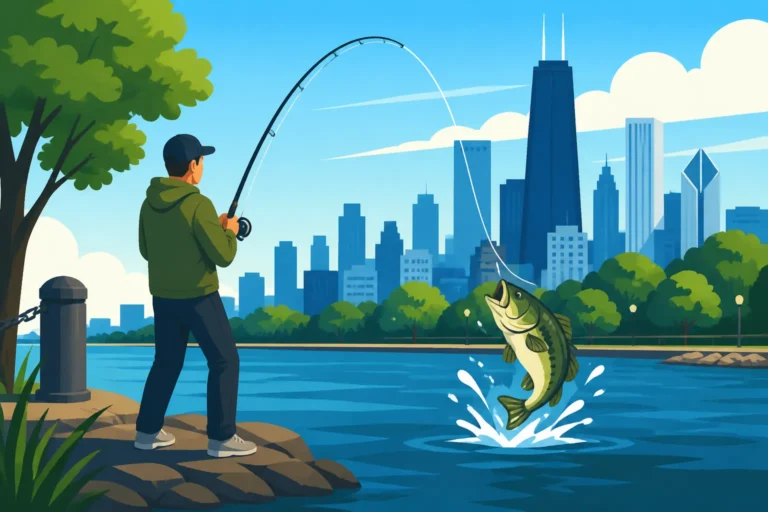
The vastness of Lake Michigan can be intimidating, especially when you're standing on a pier, hoping to entice one of its elusive residents. It's easy to feel like a tiny speck in a huge world, wondering if you're even in the right spot or using the correct tackle. This comprehensive guide is here to demystify pier fishing near Waukegan, Illinois, helping you understand the unique challenges and incredible rewards of targeting salmon, trout, and other species from the shore.
Understanding Waukegan’s Piers and Their Unique Appeal
Waukegan is a gem on the Illinois Lake Michigan shoreline, offering fantastic opportunities for anglers who prefer to keep their feet on solid ground. Unlike some more bustling harbors, Waukegan has a distinct character that feels both accessible and productive. The piers here aren't just concrete structures; they're dynamic fishing platforms that change with the seasons and the prevailing lake conditions. It’s important to remember that Lake Michigan is a massive body of water, and its moods can shift quickly, impacting everything from fish activity to wave action.
North Pier Versus South Pier: Which One to Choose?
When you arrive in Waukegan, you'll immediately notice the two main pier structures that extend into Lake Michigan. Deciding between the North Pier and the South Pier often depends on the wind direction, the target species you're after, and simply where you can find a good spot. Both piers offer excellent access to deeper water and present different advantages.
The North Pier tends to be a bit more exposed to northerly and easterly winds, which can make fishing challenging but also can push baitfish closer to shore. It runs parallel to the harbor entrance, providing opportunities to cast into both the main lake and the channel. Many anglers swear by the North Pier for salmon and trout, especially during cooler months when these fish are cruising closer to the structure. However, it can get crowded, so arriving early is often key to securing a prime location.
The South Pier offers a slightly different dynamic. It's often more sheltered from certain wind directions, making it a comfortable spot when the lake is kicking up. It also has easy access to the adjacent beach area, which can be useful if you're bringing family along who might want to do other activities. From the South Pier, anglers often target a mix of species, including perch, gobies, and even occasional smallmouth bass in the shallower areas closer to shore, in addition to the salmon and trout opportunities further out. Both piers are subject to daily cleanup efforts, so always be mindful of your trash and leave the area better than you found it.
Navigating Pier Crowds and Conditions
One of the universal frustrations of pier fishing, especially at popular spots like Waukegan, is dealing with crowds. Weekends and good weather days can see anglers lined up shoulder to shoulder. It’s not uncommon to arrive before dawn only to find a dozen other dedicated souls already casting their lines. Patience and courtesy are paramount. Always be mindful of other anglers' space and casting lanes. A friendly nod or a quick chat can often smooth over potential conflicts.
Beyond the crowds, Lake Michigan's conditions are your biggest challenge. A calm, glassy lake can turn into a washing machine with high winds and waves in a matter of hours. Always check the marine forecast before heading out. Safety should be your top priority. High waves breaking over the pier are not only dangerous but can also make fishing impossible. Dress in layers, wear non-slip shoes, and bring plenty of water. There are many other excellent places to consider if the Waukegan piers are too crowded or rough. For example, some anglers prefer checking out the Lake Michigan Shore Fishing Access Near Chicago, Illinois, which offers a different set of challenges and rewards.
Prime Species to Target and When to Find Them
The beauty of pier fishing in Waukegan is the diversity of species you can encounter throughout the year. While salmon and trout are the big draws, there are plenty of other fish to keep things interesting. Understanding the seasonal movements and feeding habits of these species is crucial for consistent success. It’s not just about showing up; it’s about showing up at the right time with the right presentation.
Salmon and Trout: The Main Event
Chinook Salmon (Kings) and Coho Salmon are the superstars of Lake Michigan, and Waukegan piers provide a legitimate shot at catching them.
- Coho Salmon: These acrobatic fighters typically make their presence known in late winter and early spring (March to May) as they follow baitfish schools closer to shore, then again in late summer and early fall as they stage for their spawning runs. During the spring, you’ll often find them chasing alewives. Cast spoons like Little Cleos or Daredevils, or twitch minnow imitators.
- Chinook Salmon: Kings are known for their brute strength. While typically targeted offshore by boats, pier anglers can intercept them during their pre-spawn and spawning migrations from late summer through fall (August to October). Early mornings and evenings are prime times. Try larger spoons, crankbaits, or even chunk bait like skein (salmon eggs) fished on the bottom.
Rainbow Trout (Steelhead) and Brown Trout also offer exciting action.
- Steelhead: These migratory rainbow trout are fantastic fighters, often leaping clear of the water. They are frequently caught in spring (April to June) and fall (September to November) as they move into shallower water. Drifting spawn sacks under a bobber or casting brightly colored spoons can be very effective.
- Brown Trout: Known for their elusive nature and ability to grow large, brown trout are a prized catch. They tend to prefer cooler water and are often found near the piers in spring and fall, but can be caught throughout the year, especially in cooler pockets. Early season, try casting stickbaits or smaller spoons. Later in the year, focus on low-light conditions.
For a deeper dive into these exciting species, you might find our guides on Lake Michigan Salmon and Trout Fishing in Illinois particularly helpful. Knowing the general timing for these fish helps, but keeping an eye on local fishing reports is even better. Many anglers use resources like FishingBooker to not only find charters but also to read guide reports, which can provide insights into what’s biting and where, even if you’re fishing from the pier.
Panfish and Other Opportunities
Beyond the salmonids, Waukegan piers can yield a variety of other species, especially during the warmer months.
- Yellow Perch: These feisty panfish are a popular target, especially from late spring through fall. Perch tend to school, so if you find one, you're likely to find more. They respond well to small minnows, pieces of nightcrawlers, or perch rigs tipped with wax worms or spikes. Look for them near the pier pilings or drop-offs.
- Smallmouth Bass: While not as common as the other species, smallmouth bass can occasionally be caught near the rocky areas of the piers, especially where there's some current or structure. They'll hit small crankbaits, soft plastics, or even minnows.
- Round Gobies: These invasive but numerous bottom-dwellers are often seen as a nuisance, but they can provide constant action for kids or when other species aren't biting. They’ll hit almost any small bait, like a piece of nightcrawler, fished on the bottom.
Understanding the seasonal timing of these fish is paramount. For instance, the prime time for catching Lake Michigan Salmon Season Timing in Illinois typically differs from the ideal conditions for Lake Michigan Trout Season Timing in Illinois, so adjust your expectations and tackle accordingly.
Here's a quick overview of what to target when:
| Species | Peak Seasons | Best Baits/Lures | Notes |
|---|---|---|---|
| Coho Salmon | Spring (March-May), Fall | Spoons (Little Cleo), Minnow Imitators | Aggressive, often near surface. Look for active baitfish. |
| Chinook Salmon | Late Summer-Fall (Aug-Oct) | Larger Spoons, Crankbaits, Spawn Sacks | Powerful fighters, staging for spawn. Early mornings best. |
| Steelhead | Spring (Apr-Jun), Fall | Spawn Sacks, Bright Spoons, Inline Spinners | Highly acrobatic. Often caught near surface. |
| Brown Trout | Spring, Fall, Winter | Stickbaits, Spoons, Live Minnows | Elusive, often hug structure. Can be caught year-round. |
| Yellow Perch | Late Spring-Fall | Minnows, Worms, Perch Rigs, Wax Worms | Schooling fish, usually near bottom. Good for kids. |
| Smallmouth Bass | Summer | Small Crankbaits, Soft Plastics | Less common, target rocky areas. |
Essential Gear and Techniques for Waukegan Pier Fishing
Having the right gear and knowing how to use it can make all the difference between a frustrating day and a memorable one on the Waukegan piers. Lake Michigan presents unique challenges for pier anglers that require a bit more robust equipment than your average farm pond setup.
Rods, Reels, and Line
For pier fishing on Lake Michigan, you’re often dealing with powerful fish, long casts, and potentially heavy currents.
- Rods: A medium-heavy to heavy action spinning rod, typically 8 to 10 feet long, is ideal. The longer length helps with casting distance, which is often crucial for reaching fish, and provides better leverage when fighting larger salmon or trout. Shorter rods might suffice for perch or gobies, but if you’re serious about the salmonids, go long.
- Reels: A sturdy spinning reel in the 4000 to 6000 size range, capable of holding 200+ yards of line, is a must. You need a good drag system to handle powerful runs. Brands like Penn or Shimano offer reliable options that can stand up to saltwater (or Great Lakes) environments.
- Line: Spool up with 10-20 lb monofilament or fluorocarbon main line, or consider 20-30 lb braided line with a fluorocarbon leader. Braided line offers superior casting distance and sensitivity, which is great for detecting subtle bites in choppy water. However, it requires a good knot to a fluorocarbon leader (e.g., a FG knot) for stealth and abrasion resistance. A 8-12 lb fluorocarbon leader is usually sufficient.
Remember, heavier line might sacrifice some casting distance but offers more insurance against break-offs, especially when a big King salmon decides to run for the horizon. It's often a balance between stealth and strength.
Baits, Lures, and Tackle Box Essentials
Your tackle box for Waukegan pier fishing should be versatile, covering a range of species and conditions.
- Spoons: Essential for salmon and trout. Little Cleo (especially in bright colors like blue/silver, orange/gold, chartreuse), Daredevil, and Krocodile spoons in 1/2 oz to 1 oz sizes are popular choices. Vary retrieve speeds and depths until you find what the fish want.
- Stickbaits/Crankbaits: Rapala Husky Jerks, Storm ThunderSticks, and Koppers LiveTarget lures are excellent for imitating baitfish. These are particularly effective for brown trout and can entice salmon. Try suspending models for a slower retrieve.
- Spawn Sacks/Egg Imitations: These are deadly for steelhead and brown trout, especially when drifted under a float. Use cured salmon or trout eggs, or artificial egg clusters.
- Live Bait: Minnows are fantastic for perch and can also entice trout and salmon. Nightcrawlers or chunks of worms work for perch, gobies, and even smaller catfish that might venture into the harbor.
- Terminal Tackle: A variety of hooks (size 4 to 2/0), swivels, snap swivels, split shots, and pencil weights or bell sinkers are necessary. Don't forget bobbers – both slip bobbers for deeper presentations and fixed bobbers for shallower water. A good pair of pliers or forceps for hook removal is also vital.
- Net: A long-handled landing net is absolutely crucial for pier fishing. You're high above the water, and a long net is your only way to safely land a big fish without risking losing it or falling in.
Beyond the tackle, consider a sturdy cooler for your catch, a bait bucket with an aerator if using live bait, and comfortable seating if you plan for a long day. If you're a new angler, setting up a good Tackle Box Setup for Illinois Species can be a bit overwhelming, but focusing on these essentials will get you started.
Techniques and Tips for Success
Pier fishing isn't just about casting and reeling; it involves strategy and adaptability.
- Fan Casting: Don't just cast in one direction. Fan cast across the water column to cover more area and find where the fish are holding. Vary your retrieve speed and depth until you get a bite.
- Watch for Baitfish: If you see schools of alewives or other baitfish near the pier, you can bet predatory fish aren't far behind. Cast into or near the bait schools.
- Look for Structure: Piers themselves are structure, but also look for current breaks, drop-offs, or any irregularities on the bottom that might hold fish.
- Low Light is Prime Time: Dawn and dusk often provide the best fishing for salmon and trout. The lower light conditions make them bolder and more willing to feed closer to shore. Night fishing can also be surprisingly productive for brown trout and even some salmon, but requires extra safety precautions.
- Stay Legal: Always carry your Illinois Fishing License Guide for 2026 and if targeting salmon or trout, make sure you have the appropriate Illinois Trout and Salmon Stamp Requirements met. Ignorance of the law is no excuse, and wardens do check. You can find information on current regulations and costs, including Illinois Fishing License Costs and Types, easily online or at local bait shops.
When you're ready to explore beyond the piers, remember there are many fantastic opportunities for fishing in Illinois. For those looking for guided trips or just more information on local patterns, checking out guides on FishingBooker can offer valuable insights and connections to experienced captains who know these waters inside and out. They often share reports that can indirectly help pier anglers understand fish movements.
Safety and Regulations on Waukegan Piers
Fishing on Lake Michigan piers comes with inherent risks and specific rules that anglers must follow for their safety and the preservation of the fishery. It’s easy to get caught up in the excitement of a bite, but a moment of distraction can lead to serious trouble.
Essential Safety Precautions
The vastness of Lake Michigan means unpredictable conditions.
- Weather Watch: Always check the marine weather forecast before heading to the pier. High winds can create dangerous waves that can sweep people off the pier or at least make fishing extremely difficult. Never fish on a pier during a storm or when waves are breaking over the structure.
- Appropriate Footwear: Piers can be wet, slippery, and uneven. Wear non-slip, closed-toe shoes with good traction. Avoid sandals or flip-flops.
- Watch for Ice: In late fall and winter, parts of the pier can become icy, especially after cold snaps or freezing rain. Exercise extreme caution.
- Visibility: Especially during low light conditions or at night, carry a headlamp or flashlight. This helps you navigate the pier safely and also identify your gear.
- Falling Hazards: Be mindful of children and pets. The edge of the pier is a significant drop-off.
- Alcohol and Fishing Don't Mix: While tempting for a relaxing day, excessive alcohol consumption impairs judgment and greatly increases safety risks around water.
Remember, if you ever feel unsafe, it’s always best to pack up and head home. There will always be another day to fish.
Understanding Illinois Fishing Regulations
Illinois fishing regulations are in place to ensure a sustainable fishery for everyone. Violating these rules can result in hefty fines and loss of fishing privileges.
- Licenses and Stamps: As mentioned, a valid Illinois fishing license is mandatory for anyone aged 16 and older. If you plan on catching or attempting to catch salmon or trout, you'll also need a separate Inland Trout Stamp or Lake Michigan Salmon Stamp, depending on your target waters. For Waukegan piers, the Lake Michigan Salmon Stamp is typically required. Detailed information can be found in the Illinois Fishing Regulations Overview.
- Daily Catch and Size Limits: Each species has specific daily catch limits and sometimes minimum size restrictions. These can vary by water body, so it’s critical to consult the most current Illinois Fishing Information Guide for specific rules pertaining to Lake Michigan. For example, there are specific limits for salmon and trout species, and violating these can lead to penalties for fishing without a license in Illinois, or more specifically, penalties for exceeding catch limits.
- Prohibited Methods: Certain fishing methods are illegal in Illinois. Always ensure your chosen technique complies with state regulations. No snagging or foul hooking is allowed.
- Respect Private Property: While piers are generally public access, be aware of any signs indicating restricted areas or private property.
- Cleanliness: Always pack out what you pack in. Leave no trash, discarded line, or bait containers on the pier. Keeping our fishing spots clean ensures they remain open and enjoyable for everyone.
Staying informed and practicing responsible angling helps preserve the fantastic fishing opportunities that places like Waukegan offer. If you're unsure about any regulations, a quick call to the Illinois Department of Natural Resources (IDNR) or checking their official website can clear things up. Sometimes local bait shops are also great resources for clarification on rules or what specific parts of the pier fall under certain guidelines. Even checking a service like FishingBooker for local guides can provide you with knowledge from experts who live and breathe these regulations every day.
Disclaimer
The information provided in this guide is for general informational purposes only and is subject to change. Fishing regulations, conditions, and fish populations can vary. Always consult the latest official Illinois Department of Natural Resources (IDNR) regulations and local weather advisories before planning your fishing trip. Fishing carries inherent risks, and anglers are responsible for their own safety and adherence to all applicable laws.