Where to Catch Trout Along Illinois’s Lake Michigan Shoreline
Finding those elusive trout along Illinois's sprawling Lake Michigan shoreline can feel like a daunting task, especially when you're staring out at endless open water, wondering where to even begin. It's easy to get frustrated after hours of casting without a nibble, convinced the fish are just not there. But trust me, they absolutely are, and with a bit of local insight and the right approach, you can significantly improve your chances of hooking into some beautiful rainbow, brown, or even steelhead trout right from the bank or a pier. This guide is dedicated to breaking down exactly where these magnificent fish tend to congregate and how you can best target them.
Understanding Lake Michigan's Trout Species and Habits
Before you even make your first cast, it helps tremendously to understand what you're trying to catch and why they're where they are. Lake Michigan isn't just a big pond; it's a dynamic ecosystem with several trout species that behave differently throughout the year. Knowing their habits is key to successful shoreline angling.
Key Trout Species Found in Illinois Waters
When you're fishing the Illinois side of Lake Michigan, you're primarily targeting a few distinct species, each with its own quirks and preferences. The most common you'll encounter are Rainbow Trout (often called Steelhead when they migrate from the lake into rivers to spawn), Brown Trout, and Coho Salmon. While Coho are technically salmon, they often feed and behave similarly to trout, especially near shore, so anglers frequently group them in. Lake Trout are also present in Lake Michigan but tend to stay in deeper, colder waters, making them less common targets for shoreline anglers.
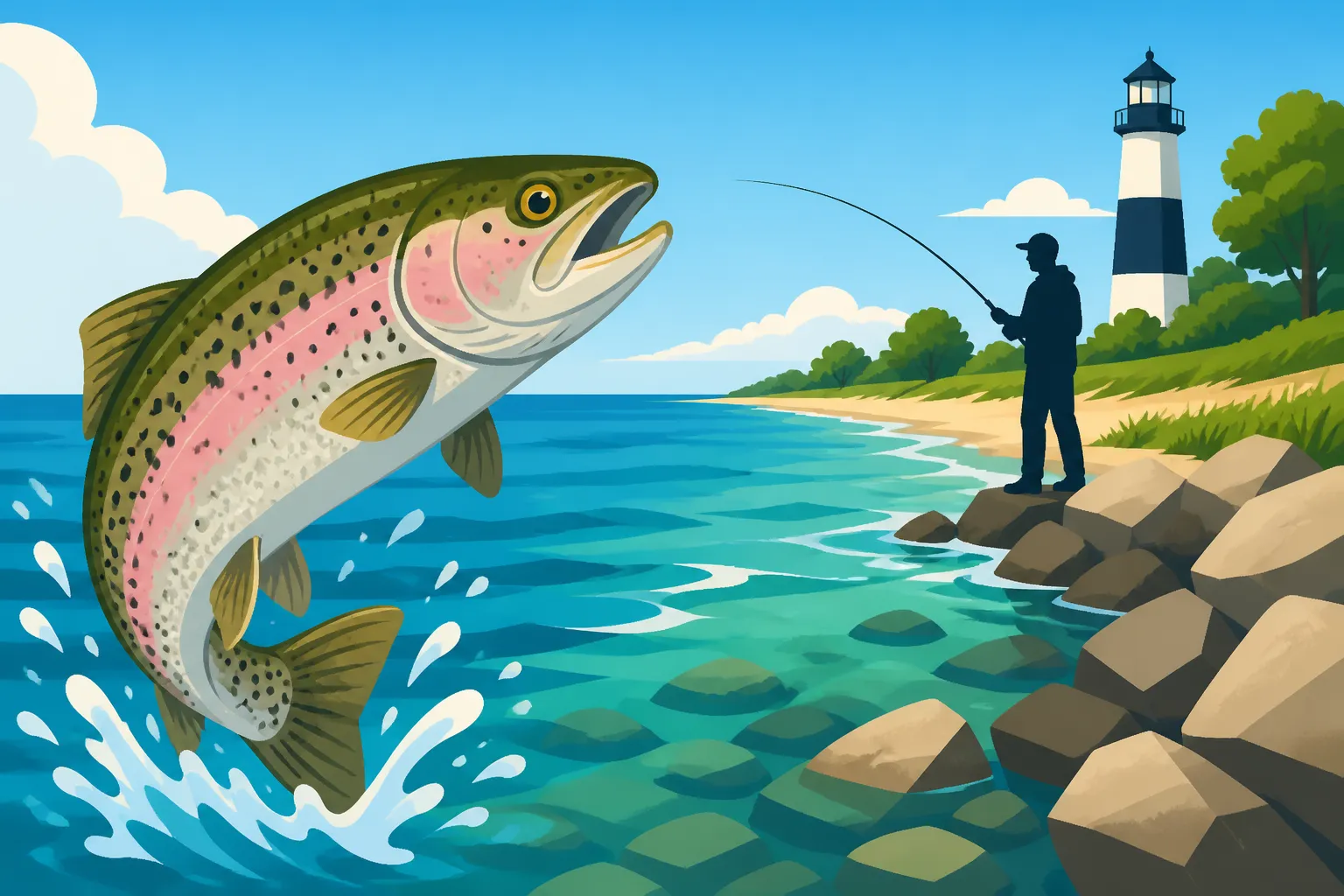
Rainbow Trout, or Steelhead, are truly magnificent fighters. They're often streamlined and silver-colored in the lake, but can develop beautiful pink streaks when they run up tributaries. Brown Trout, on the other hand, are typically more robust, with a golden-brown hue and distinctive dark spots, often with lighter halos. They're known for being a bit more aggressive, especially during low light conditions. You might also encounter Chinook Salmon, especially in late summer and fall, though Cohos are more prevalent near shore in spring and early fall. Each of these fish provides a unique challenge and reward, making every outing a potential adventure.
Seasonal Movements and Preferred Habitats
The beauty of Lake Michigan trout fishing from shore lies in its seasonality. These fish are constantly on the move, driven by water temperature, baitfish presence, and their own spawning instincts. In early spring, as ice recedes and nearshore waters begin to warm slightly, species like Coho Salmon and Brown Trout move closer to the shoreline, chasing schools of baitfish like alewives and smelt. This is a fantastic time to hit the piers and harbors. As summer progresses, the nearshore water can get too warm for them, pushing them into deeper, cooler zones, making shoreline fishing a bit tougher, though not impossible, especially at night or in areas with cooler water discharge.
The fall is another prime time, arguably even better than spring for many shore anglers. As lake temperatures drop, Brown Trout become incredibly active and aggressive, feeding heavily before winter. Steelhead also begin to stage near river mouths, preparing for their upstream spawning runs. Understanding these movements means you're not just casting randomly; you're strategically placing your bait where the fish are most likely to be at that particular time of year. For instance, knowing when the salmon and trout run up the smaller rivers can be crucial. You can learn more about specific timing in our guide on Lake Michigan Salmon Season Timing in Illinois.
Prime Shoreline Spots for Trout Fishing
Knowing where to go is half the battle, and Illinois offers some fantastic public access points along its Lake Michigan coastline. From the bustling Chicago lakefront to quieter northern suburbs, there are specific locations that consistently produce good numbers of trout and salmon for shore anglers.
Chicago Lakefront Piers and Harbors
The Chicago lakefront is an urban angler's dream, providing miles of accessible shoreline and numerous opportunities to catch trout and salmon. The key here is structure and depth. Harbors and piers provide deeper water access close to shore, as well as cover and ambush points for predatory fish.
- Montrose Harbor and Pier (Chicago): This is arguably one of the most popular and productive spots. The concrete pier extends far into the lake, offering access to deeper water where Coho and Brown Trout often cruise. The harbor mouth itself can be a hot spot, especially in spring and fall when fish are moving in and out. Anglers here often use casting spoons, crankbaits, or slip bobbers with live bait. Montrose also has easy parking and amenities, making it a convenient spot for a longer outing.
- Belmont Harbor and Diversey Harbor (Chicago): Similar to Montrose, these harbors provide excellent deep-water access. The rock jetties and harbor entrances are prime locations for casting spoons or fishing with bait under a float. You'll find a good mix of Coho, Brown Trout, and even occasional Chinook Salmon, particularly in the fall. The key is to look for areas where the main lake current meets the harbor, as these are natural feeding zones.
- DuSable Harbor (Chicago): Located right near downtown, DuSable offers deep water access from its piers. This spot is excellent for those looking for early spring Coho, often caught on small spoons or spawn bags. The adjacent parks and pathways make it easily accessible.
- Jackson Park Harbor (Chicago): Further south, Jackson Park also provides good pier and harbor fishing. This area can be particularly good for Brown Trout in the cooler months, as they often patrol the structure and deeper pockets. Don't overlook the potential for a surprising catch here; the big lake always holds surprises. When planning your trip, consider checking out other great spots with our guide on Chicago Pier Spots for Lake Michigan Salmon.
Northern Illinois Shoreline Hotspots
Venturing north of Chicago can also yield fantastic results, often with fewer crowds and a slightly different feel. The shoreline here offers diverse conditions, from sandy beaches to rocky points and harbor structures.
- Waukegan Harbor and Piers (Waukegan): Waukegan is a legendary spot for Lake Michigan fishing in Illinois. The large harbor and extensive piers offer consistent action for Coho, Brown Trout, and Steelhead. Early spring and late fall are prime times, especially when fishing near the power plant discharge which creates a warmer water plume, attracting baitfish and the predators that follow them. Many charter boats operate out of Waukegan, but shore anglers can still do very well. You can find more specific tips in our article on Lake Michigan Pier Fishing Near Waukegan, Illinois.
- Winnetka and Highland Park Shoreline (North Shore): These areas feature more natural, undeveloped shoreline with a mix of rocky points and sandy beaches. While not offering the deep-water access of large harbors, they can be excellent for casting spoons or crankbaits, especially after a storm when waves churn up baitfish near shore. Brown Trout are often caught cruising these areas. Access can sometimes be challenging due to private properties, so always be mindful of local regulations and public access points.
- Evanston and Wilmette Piers: These suburban piers also offer good opportunities, particularly for spring Coho and fall Brown Trout. The smaller scale of these piers compared to downtown Chicago can make for a more relaxed fishing experience, though the fish are just as feisty. Look for any underwater structure or depth changes around these piers.
River Mouths and Tributaries During Spawning Runs
This is where the term "Steelhead" truly comes into play. Several smaller rivers and creeks that flow into Lake Michigan in Illinois experience seasonal runs of anadromous trout and salmon. These fish enter the rivers to spawn, offering a unique opportunity for shore-bound anglers.
- Waukegan River: The Waukegan River is a known steelhead and salmon stream. During the spring and fall, Steelhead and Coho will stage at the river mouth and eventually push upstream. Fishing near the mouth or in the lower stretches can be highly productive. These fish are often targeted with egg imitations, small spinners, or fly fishing gear.
- North Branch Chicago River and other smaller tributaries: While not as renowned as the Waukegan River, some smaller waterways and drainage canals that feed into Lake Michigan can also see fish runs, especially after heavy rains that increase water flow. These spots require more local knowledge and exploration but can offer rewarding, less crowded experiences. Always be aware of local regulations, as some tributaries might have specific catch-and-release rules or bait restrictions during spawning seasons. Timing your trip to coincide with these runs can be the difference between a slow day and a banner day, so checking local fishing reports is always a good idea.
Essential Gear and Techniques for Shoreline Trout Anglers
You’ve got your spots picked out, now let’s talk gear. You don't need a boat or a massive setup to catch trout and salmon from the Lake Michigan shoreline, but having the right tools for the job certainly helps.
Rods, Reels, and Line Recommendations
For shoreline trout fishing, versatility is key. You'll be making long casts, fighting strong fish, and often dealing with variable weather conditions.
- Rods: A medium-heavy to heavy action spinning rod, 8 to 10 feet in length, is ideal. The longer rod aids in casting distance, which is crucial for reaching deeper water from shore, and also provides better leverage when fighting a powerful fish in choppy conditions. Brands like St. Croix or Fenwick offer excellent options that are sensitive enough to detect subtle bites but robust enough for big fish.
- Reels: Pair your rod with a reliable spinning reel in the 3000-4000 series size. Look for a reel with a smooth drag system, as these trout and salmon can make blistering runs. Shimano and Daiwa are perennial favorites for their durability and performance.
- Line: Spool your reel with 10-15 lb braided line. Braid offers superior casting distance, sensitivity, and strength. To that, tie a 6-10 lb fluorocarbon leader, about 4-6 feet long. Fluorocarbon is nearly invisible in water and provides excellent abrasion resistance against rocks and sharp-toothed fish. This setup provides the perfect balance of strength and stealth. For more insights on general gear, check out Best Rods and Reels for Illinois Anglers.
Top Baits and Lures for Lake Michigan Trout
The choice of bait or lure can depend heavily on the time of year and the specific species you're targeting. However, some staples consistently produce results.
- Spoons: Casting spoons like Dardevles, Little Cleos, or Krocodiles in silver, blue/silver, or orange/gold patterns are workhorses for all trout and salmon species. Their erratic action mimics injured baitfish, making them irresistible. Cast them far and retrieve with a varying speed, adding pauses and twitches.
- Crankbaits/Stickbaits: Jointed or long-bodied crankbaits, especially those designed to dive a few feet, are excellent for Coho and Brown Trout. Colors like perch, firetiger, or natural baitfish patterns are popular. Brands like Rapala or Bomber are go-to choices.
- Spawn Bags/Scented Baits: For Steelhead, especially when they're staging near river mouths or during colder conditions, small mesh bags filled with cured salmon eggs (spawn bags) are incredibly effective. PowerBait or Gulp! eggs can also be great alternatives, fished under a slip bobber or on a bottom rig.
- Minnows/Smelt: Live or dead baitfish, such as emerald shiners or smelt, can be deadly when fished under a slip bobber or on a three-way rig. These natural baits appeal to the predatory instincts of all trout and salmon. Remember to check local regulations regarding the use of live bait.
Key Techniques for Success
Mastering a few techniques will significantly boost your catch rates. It’s not just about casting and reeling; it’s about presenting your bait effectively.
- Casting and Retrieving: This is the most common method for spoons and crankbaits. Focus on covering different depths and retrieve speeds until you find what the fish are reacting to. On FishingBooker, you can find guides who specialize in these techniques. Don't be afraid to experiment with a fast retrieve and sudden pauses, or a slow, steady retrieve.
- Slip Bobber Fishing: Ideal for fishing with spawn bags, PowerBait, or minnows. A slip bobber allows you to present your bait at a precise depth, which is critical when fish are suspended or holding near the bottom. This is particularly effective near harbor mouths or where there are depth changes.
- Bottom Fishing/Three-Way Rig: When fish are holding tight to the bottom, especially in colder water, a simple bottom rig with an egg sinker or a three-way swivel rig (allowing your bait to drift naturally above the bottom) can be highly effective with natural baits. This technique is often used in harbors or deeper pier sections.
- Trolling from Shore (using a float): While less common, some anglers use specialized floats (like large bobbers or inline planer boards) to carry their bait further out parallel to the shore, mimicking trolling from a boat. This requires specialized gear and understanding of currents but can be very effective in certain conditions.
Best Times to Target Lake Michigan Shoreline Trout
Timing really is everything when it comes to Lake Michigan trout fishing. The lake’s moods, weather patterns, and the biological clocks of the fish all dictate when and where you’ll find success.
Early Spring and Fall Runs
These are without a doubt the absolute best times to hit the Lake Michigan shoreline for trout and salmon.
- Early Spring (March-May): As winter ice gives way and water temperatures nudge into the 40s (Fahrenheit), Coho Salmon are the first to make a strong showing near shore. They are incredibly aggressive and will readily hit small spoons, crankbaits, or even simple jigs tipped with a grub. Brown Trout also become active as they cruise the warming nearshore waters, looking for an easy meal. This is a fantastic time for pier and harbor fishing. For more detail, check out Best Time of Year for Lake Michigan Salmon in Illinois.
- Fall (September-November): This season brings another surge of activity. Brown Trout go on a serious feeding frenzy, bulking up for winter, and are often caught aggressively hitting spoons, crankbaits, or even larger minnows. Steelhead and Chinook Salmon begin their staging and spawning runs into tributaries and congregate near river mouths. This period offers some of the largest fish of the year for shore anglers. The cooler air and water temperatures mean the fish are more comfortable near shore for longer periods. You can also explore Fall Fishing Calendar for Illinois Anglers for broader seasonal insights.
Winter Fishing Opportunities
Don't let the cold deter you! Winter can be a surprisingly productive time for shoreline trout fishing on Lake Michigan, especially for Brown Trout.
- Ice-Free Harbors and Piers: In milder winters, or when specific areas remain ice-free due to currents or power plant discharges (like Waukegan), Brown Trout can be caught throughout the colder months. They tend to be slower and hug structure, so a patient approach with slower retrieves and even dead bait on the bottom can be effective.
- Deep Water Access: Winter fishing often means targeting deeper water right off piers or in harbors. Anglers frequently use heavy spoons, jigging Rapalas, or even minnows on tip-ups (if regulations allow and ice conditions are safe within harbors). FishingBooker listings for local guides can provide up-to-the-minute reports on winter conditions and hot spots.
- Impact of Snowmelt: Thaws and snowmelt can create currents and bring nutrients into the lake, attracting baitfish and, subsequently, trout. Keep an eye on weather patterns for these opportunities.
Impact of Weather and Water Conditions
Lake Michigan is a vast, powerful body of water, and its conditions can change rapidly. Understanding how weather impacts fish behavior is crucial.
- Wind and Waves: A light chop or moderate waves can actually be beneficial, as they break up the water's surface, provide cover for fish, and disorient baitfish. However, strong winds and heavy waves can make fishing impossible and dangerous. Always prioritize safety.
- Water Clarity: Generally, trout prefer clearer water, but a slight stain or turbidity (after a mild storm, for example) can concentrate baitfish and make predators less wary. Extremely muddy water, however, is usually a deterrent.
- Barometric Pressure: Like many fish, trout can be sensitive to changes in barometric pressure. Stable or rising pressure often correlates with better fishing. A rapidly falling barometer, usually indicating an approaching storm, can sometimes trigger a feeding frenzy right before the weather hits. After a significant front passes, it can take a day or two for the fish to settle back into their routine.
When you're out there, observation is your best friend. Look for birds diving, baitfish activity, or even other anglers catching fish. The more you pay attention to the conditions and the environment, the better your chances of success.
Here's a quick overview of some prime spots and what to expect:
| Fishing Spot | Primary Target Species | Best Time of Year | Recommended Techniques | Notes |
|---|---|---|---|---|
| Montrose Harbor (Chicago) | Coho Salmon, Brown Trout | Early Spring, Fall | Casting Spoons, Slip Bobber w/ Bait | Popular, good deep water access from pier. |
| Waukegan Harbor & Piers | Coho Salmon, Brown Trout, Steelhead | Early Spring, Fall, Winter | Spoons, Crankbaits, Spawn Bags | Excellent year-round potential, especially near power plant discharge. |
| Belmont Harbor (Chicago) | Coho Salmon, Brown Trout | Early Spring, Fall | Spoons, Crankbaits | Good urban access, focus on harbor mouth and jetties. |
| Waukegan River Mouth | Steelhead, Coho Salmon | Spring Run, Fall Run | Spawn Bags, Small Spinners, Flies | Tributary fishing; check specific regulations for river fishing. |
| Highland Park/Winnetka Shoreline | Brown Trout | Fall, Cooler Summer Evenings | Casting Spoons, Crankbaits | More natural shoreline, can be less crowded. |
| Jackson Park Harbor (Chicago) | Brown Trout, Coho Salmon | Early Spring, Fall, mild Winter | Spoons, Jigging Rapalas | Good southern Chicago option, often overlooked. |
Remember, every day on the water is a learning experience. Don't get discouraged if the fish aren't biting right away. Keep experimenting with your baits, techniques, and spots. Lake Michigan holds some incredible fishing opportunities, and with this guide, you're well on your way to discovering them right from the shoreline.
Disclaimer
The information provided in this guide is for general informational purposes only and is not intended as legal advice. Fishing regulations, license requirements, and local restrictions can change frequently. Always consult the latest Illinois Department of Natural Resources (IDNR) fishing guide or website before heading out to ensure compliance with all current rules and to obtain the necessary licenses and stamps, such as the Illinois Trout and Salmon Stamp Requirements. Practice safe boating and fishing habits, and be mindful of weather conditions.