Best Salmon Fishing Spots on Lake Michigan
For many Illinois anglers, the dream of hooking into a powerful salmon on Lake Michigan feels like a big undertaking. It's easy to get overwhelmed by the sheer size of the lake and the specialized techniques often associated with salmon fishing. This guide aims to demystify the process, revealing the most productive spots along the Illinois shoreline and neighboring waters where you can consistently find these prized fish, whether you’re casting from shore or running a charter.
Understanding Lake Michigan Salmon Dynamics
Before we dive into specific locations, it's crucial to grasp a few fundamental concepts about salmon behavior in Lake Michigan. These aren't your typical pond fish; they're migratory predators that follow baitfish and water temperatures. Knowing their patterns can drastically improve your chances of success, no matter where you decide to drop a line.
The Seasonal Migration of Salmon in Illinois
Salmon in Lake Michigan, primarily Chinook (King) and Coho (Silver) salmon, embark on predictable seasonal migrations. In spring, as ice recedes and nearshore waters begin to warm slightly, Coho salmon move closer to shore, often congregating in the top 20-40 feet of the water column. This is a fantastic time for shore and pier anglers, as well as those trolling in shallower waters. They're actively feeding on alewives and other baitfish that are also moving into the warmer nearshore areas.
As summer progresses, the lake stratifies, meaning distinct layers of water form based on temperature. Salmon, being cold-water species, will retreat to deeper, cooler waters, often suspending over ledges or cruising the thermocline (the boundary between warm and cold water). Chinook salmon, in particular, become more prevalent offshore during the summer months. By late summer and early fall, both Coho and Chinook salmon begin their pre-spawn staging. They gather near river mouths and harbor entrances, preparing for their upstream spawning runs. This period offers some of the most exciting fishing, as large, aggressive salmon are concentrated in accessible areas.
Factors Influencing Salmon Location
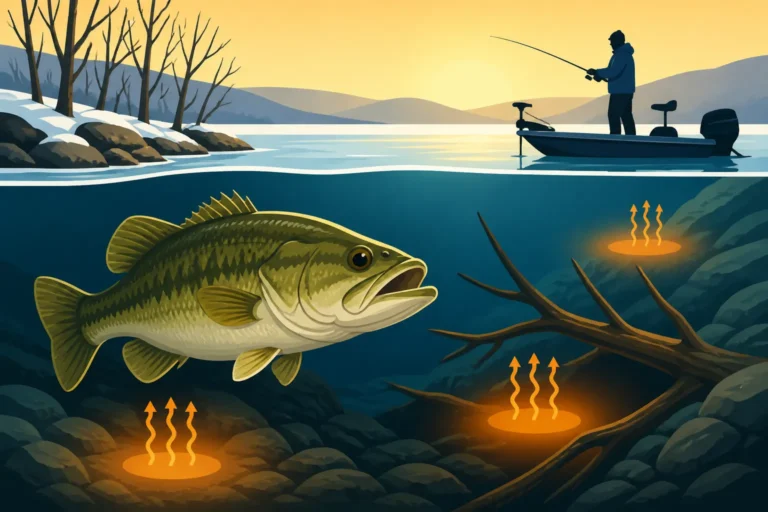
Salmon are creatures of comfort, and that comfort often boils down to water temperature and food availability. Their ideal temperature range is typically in the 40s to low 60s Fahrenheit. They will actively seek out these cooler bands of water, which can be found at varying depths depending on the season and prevailing weather conditions. On Lake Michigan, this often means understanding the thermocline. A good fish finder is invaluable for identifying this temperature break.
Furthermore, salmon are driven by their stomachs. Where the baitfish are, the salmon will follow. Alewives are the primary forage for salmon in Lake Michigan, but they also feed on smelt and other smaller fish. Wind direction and currents play a huge role in concentrating these baitfish. A sustained easterly wind, for instance, can push warm surface water offshore, allowing cooler, nutrient-rich water (and the baitfish it holds) to upwell closer to shore. Conversely, westerly winds might push warm water right up against the shoreline, driving salmon deeper or further offshore in search of cooler temperatures. Paying attention to these environmental cues is key to locating active fish.
Key Salmon Hotspots Along the Illinois Lake Michigan Shoreline
Illinois offers several excellent points of access for salmon fishing on Lake Michigan, each with its unique advantages depending on the season and your preferred fishing method. From the bustling urban fishing opportunities to more traditional charter operations, there's a spot for every type of angler.
The Bustling Piers and Harbors of Chicago
Chicago’s lakefront is not just iconic; it’s a legitimate salmon fishing destination, especially during spring and fall. The city's numerous harbors and piers provide excellent access for shore anglers, often yielding impressive catches of Coho and even some Chinook. Places like Montrose Harbor, Belmont Harbor, and DuSable Harbor are prime examples.
During the spring, Coho salmon aggressively feed near the mouths of these harbors and along the adjacent piers. Anglers casting spoons, crankbaits, or even drifting spawn sacs can find great success. The deeper waters just outside the harbor mouths are also productive for small boats or kayaks. As the fall approaches, large Chinook salmon, often referred to as "Kings," stage in these same areas before attempting to run up local rivers or drainage ditches. This is when snagging becomes legal in certain designated areas, though traditional casting and trolling methods remain popular. Remember to check local regulations for specific rules on Chicago Pier Spots for Lake Michigan Salmon. The sheer accessibility of these spots, even via public transportation, makes them incredibly popular.
Northern Illinois Lake Michigan Ports: Waukegan and Winthrop Harbor
Moving north from Chicago, Waukegan and Winthrop Harbor are cornerstone locations for Lake Michigan salmon fishing in Illinois. These harbors offer extensive boat launches, charter services, and excellent pier fishing opportunities. They serve as major hubs for anglers targeting both salmon and trout throughout the year.
In spring, Waukegan's harbor mouth and the adjacent breakwalls are famous for their Coho runs. Charter boats frequently operate out of Waukegan, often heading north or south along the Illinois coastline or targeting specific deepwater structures. These boats employ sophisticated trolling techniques, using downriggers and planer boards to present baits at various depths. Winthrop Harbor, located just south of the Wisconsin border, offers similar amenities and fishing potential. It's often favored by anglers looking for a slightly less crowded experience than Chicago, while still having access to fantastic fishing grounds. You can find detailed information on spots like Lake Michigan Pier Fishing Near Waukegan, Illinois to plan your visit. These northern ports are also popular staging areas for big King salmon in late summer and fall, drawing anglers from across the region.
Southern Illinois Lake Michigan Access: Hammond, Indiana (Neighboring Waters)
While technically not in Illinois, the waters accessible from Hammond, Indiana, especially its marina and surrounding areas, are often considered part of the broader "Illinois salmon fishery" due to their close proximity and shared water body. For anglers residing in far southern Cook County or even those willing to make a short drive, Hammond provides another excellent point of entry to Lake Michigan.
The marinas and breakwalls in Hammond can be very productive for shore and pier anglers, particularly for Coho in the spring. Charter operations also run out of Hammond, targeting the same migratory salmon and trout that pass through Illinois waters. The deepwater structure and current dynamics in this part of the lake can hold significant numbers of fish. It’s worth noting that while you might be launching from Indiana, the fish don’t recognize state lines; they follow the bait and comfortable water temperatures. Always be sure to check the fishing regulations for both Illinois and Indiana if you plan to fish near the state border, especially concerning license requirements and stamp regulations like the Illinois Trout and Salmon Stamp Requirements. For those looking for diverse launch points, platforms like FishingBooker can offer a wide selection of charters operating out of both Illinois and Indiana ports, making it easier to explore different parts of the lake.
Essential Gear and Techniques for Illinois Salmon Fishing
Landing a Lake Michigan salmon requires more than just a lucky cast; it demands the right gear and an understanding of specialized techniques. These fish are powerful, and the lake itself can be unpredictable, so being prepared is key.
Trolling Strategies for Open Waters
For boat anglers, especially those on charter boats, trolling is the most effective method for covering vast expanses of water and presenting baits at precise depths. The core of Lake Michigan salmon trolling involves using downriggers, which are essentially winches that lower a heavy cannonball weight, keeping your lure at a predetermined depth, often in the thermocline where salmon are feeding. Planer boards are another crucial tool; these devices extend your fishing lines out to the sides of the boat, allowing you to spread out multiple lines and cover a wider swath of water without tangling.
Lure selection for trolling varies, but spoons like those from manufacturers like Michigan Stinger or Northern King are perennial favorites. J-Plugs and flasher/fly combinations are also incredibly effective. Color choice can be critical and often changes based on water clarity and sunlight, so having a variety is wise. Many experienced anglers keep a detailed log of what worked on specific days. When you’re considering booking a trip, a service like FishingBooker can connect you with charters that specialize in Best Trolling Techniques for Illinois Lake Michigan Salmon and Trout, complete with all the necessary gear like a robust Downrigger Setup for Lake Michigan Salmon Trolling. Remember, salmon will hit fast-moving baits, so troll speeds typically range from 2 to 3.5 miles per hour.
Shore and Pier Fishing Setups
If you prefer to keep your feet on solid ground, shore and pier fishing for salmon can be incredibly rewarding, particularly during the spring Coho run and the fall Chinook staging. A medium-heavy to heavy spinning rod, typically 8 to 10 feet long, paired with a reel spooled with 10-20 lb monofilament or braid, is a good starting point. This setup allows for long casts needed to reach deeper water or active fish.
For lures, spoons are king from shore. Casting spoons in chrome, blue/silver, or orange/gold patterns are highly effective. Heavier spoons allow for longer casts into the wind. Body baits and crankbaits that imitate alewives can also produce strikes. Another popular technique, especially in fall, is drifting spawn sacs (eggs) or chunks of cut bait under a bobber. This is particularly effective near harbor entrances where salmon are staging. Fishing at dawn or dusk often yields the best results, as salmon move closer to shore during low light conditions. Keep an eye out for active baitfish or jumping salmon, as these are strong indicators of where to focus your efforts. For more general guidelines, consider reviewing the Illinois Fishing Regulations Overview to ensure you're compliant with all local rules.
Timing Your Trip for Optimal Salmon Success
Understanding when to fish is just as important as where to fish for Lake Michigan salmon. Their movements and feeding patterns are heavily influenced by the calendar, making seasonal planning crucial for a productive outing.
Prime Seasons for Coho and Chinook Salmon
Lake Michigan offers distinct prime seasons for its two main salmon species, Coho and Chinook.
- Spring (April – May): This is arguably the best time for Coho salmon. As the nearshore waters warm up, Coho move in close to feed. This period offers fantastic opportunities for both boat and shore anglers. The bite can be furious, with Coho often hitting spoons and small crankbaits aggressively.
- Summer (June – August): As temperatures rise, both Coho and Chinook move offshore into deeper, cooler waters. This is prime time for charter boats employing downriggers and deep-diving lures. While shore fishing can be tougher, early mornings or late evenings after strong easterly winds can push cooler water and salmon closer to the shoreline. Big Chinook are often caught during this period in the deep.
- Fall (Late August – October): This is trophy season for Chinook salmon. As they prepare for their spawning run, these massive fish congregate near river mouths and harbor entrances. They are often aggressive and can provide an epic fight. Coho also make a strong showing in the fall. Shore and pier fishing can be exceptional during this period, in addition to boat fishing in staging areas. Many anglers plan their trips specifically around Best Time of Year for Lake Michigan Salmon in Illinois for the chance at a truly monstrous King.
Best Times of Day to Target Lake Michigan Salmon
Just like with many other fish species, salmon tend to be most active during certain times of the day, particularly during periods of low light.
- Dawn and Dusk: These are generally considered the "golden hours" for salmon fishing, regardless of whether you're fishing from a boat or shore. As the sun rises or sets, light levels are reduced, making salmon feel more secure coming into shallower water or feeding more aggressively. The change in light can also trigger baitfish movements, which in turn stirs up the salmon. Many successful charter trips start well before sunrise to capitalize on this prime window.
- Cloudy Days: Overcast conditions can extend the low-light bite throughout the day. The diffused light often keeps salmon active closer to the surface or in shallower water for longer periods, offering excellent fishing opportunities when the sun isn't blaring down.
- Afternoon Bite (Offshore): While dawn and dusk are typically best, in the summer, offshore trolling for salmon can produce good results throughout the day, especially if you're effectively targeting the thermocline and baitfish concentrations in deeper water. The sheer depth often provides enough cover for salmon to remain active even under bright midday sun. If you’re planning a trip, checking the weather forecast and scheduling with a local guide via services like FishingBooker can ensure you hit the water at the most opportune moments. This knowledge, combined with understanding the broader Lake Michigan Salmon Season Timing in Illinois, will greatly enhance your salmon fishing adventure.
| Fishing Location | Primary Target Species | Best Time of Year | Typical Fishing Method(s) | Notes |
|---|---|---|---|---|
| Chicago Piers & Harbors | Coho, Chinook | Spring, Fall | Shore Casting, Small Boat | Highly accessible, good for spring Coho. |
| Waukegan Harbor & Piers | Coho, Chinook, Trout | Spring, Summer, Fall | Charter Boats, Shore Casting | Major hub for charter fishing. |
| Winthrop Harbor | Coho, Chinook, Trout | Spring, Summer, Fall | Charter Boats, Shore Casting | Less crowded than Chicago, excellent access. |
| Nearshore Open Water | Coho, Chinook | Spring, Fall | Trolling (Small Boats, Kayaks) | Follow baitfish and temperature breaks. |
| Offshore Deep Water | Chinook, Coho, Lake Trout | Summer, Late Fall | Trolling (Charters, Large Boats) | Requires specialized gear (downriggers). |
Disclaimer
The information provided in this guide is for general informational purposes only and is not intended as legal advice. Fishing regulations, license requirements, and local rules can change frequently. Always consult the latest official Illinois Department of Natural Resources (IDNR) publications and local ordinances before engaging in any fishing activities.