Best Bluegill Fishing at Rend Lake, Illinois
Finding consistently good bluegill fishing can sometimes feel like searching for a needle in a haystack, especially when you're hoping for those true "plate-sized" specimens rather than just pan-sized fry. Many anglers dream of a lake where robust bluegill aren't just a rumor but a regular catch. Thankfully, for those of us in Illinois, Rend Lake offers just such an experience. This guide will take you on a deep dive into how to successfully target and reel in impressive bluegill from this exceptional Southern Illinois fishery.
Why Rend Lake is a Bluegill Angler's Paradise
When you talk about panfish in Illinois, Rend Lake inevitably comes up, and for very good reason. It's a vast reservoir that consistently delivers on the promise of not just abundant, but truly large bluegill. It’s not just hype; there’s a biological and environmental foundation for why this lake stands out.
The Reputation for Trophy Bluegill
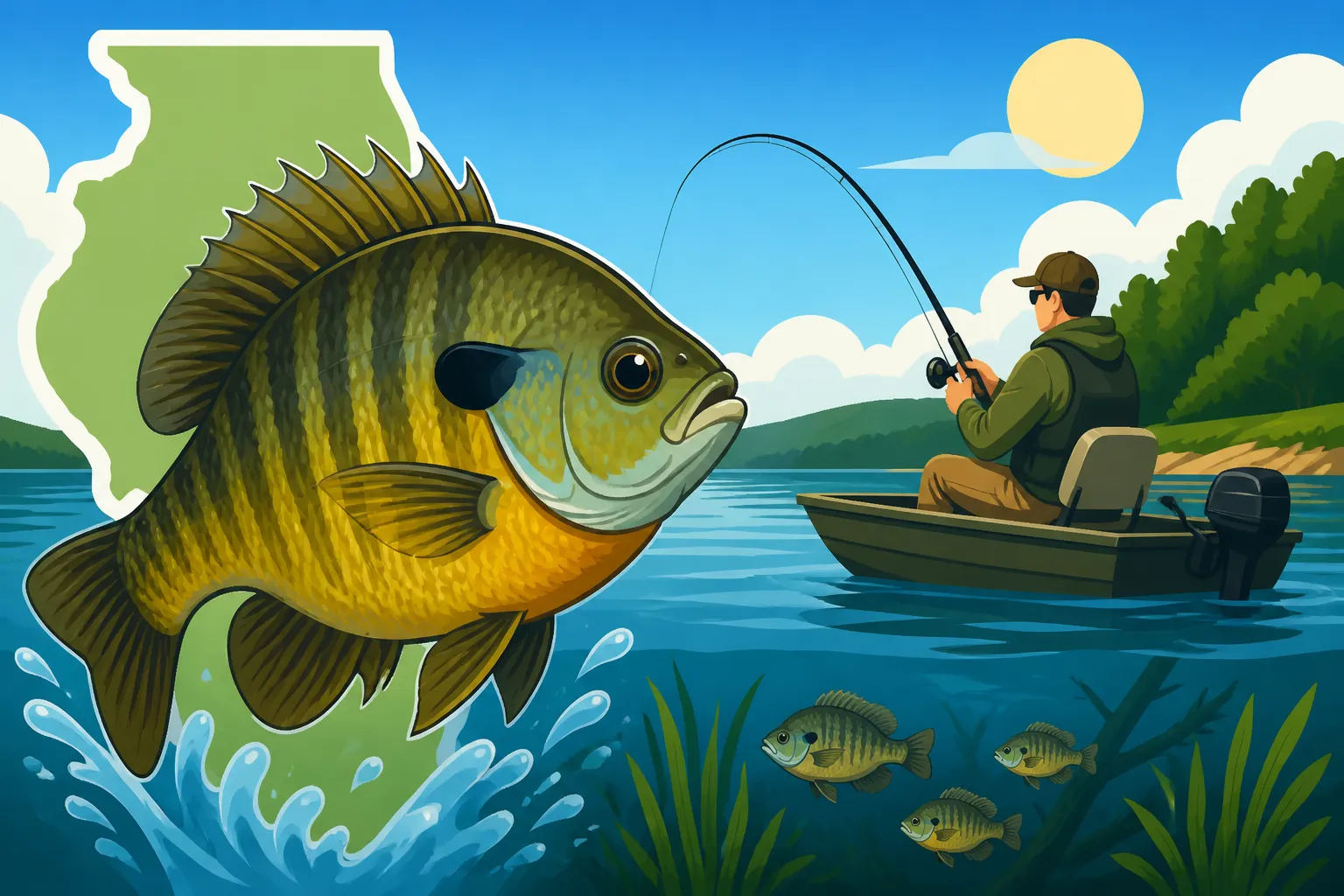
Rend Lake has earned its stripes as a premier bluegill destination, not just locally but across the Midwest. Anglers travel from all over specifically to target the hefty bluegill that call its waters home. We're not talking about your average hand-sized fish; Rend Lake regularly produces bluegill well over eight or nine inches, with some exceeding the coveted one-pound mark. There's a certain thrill in feeling that strong tug on an ultralight rod, knowing it could be a bluegill that truly fills a skillet. This reputation isn't built on a few lucky catches; it's a consistent pattern year after year, making it a reliable spot when you're serious about your panfish. If you've been chasing smaller fish elsewhere and feeling a bit let down, Rend Lake is where you'll find that rewarding upgrade.
Abundant Forage and Habitat
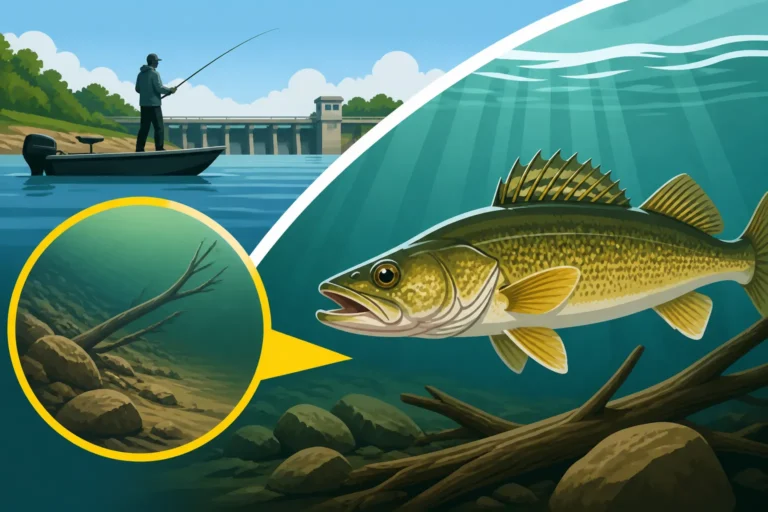
The key to Rend Lake's bluegill success lies in its rich ecosystem, providing everything these fish need to thrive. The lake is relatively shallow, with an average depth of around 10 feet, creating extensive areas of fertile habitat. You'll find a smorgasbord of food sources, from zooplankton and aquatic insects to small invertebrates, all contributing to the bluegill's rapid growth and impressive size. Critically, Rend Lake boasts a wealth of submerged timber, brush piles, rock formations, and emergent vegetation, especially in its shallower arms and coves. These structures offer ideal cover from predators, provide ample spawning grounds, and serve as perfect ambush points for feeding bluegill. This intricate network of habitat means bluegill have endless places to hide, feed, and reproduce, leading to healthy, thriving populations.
Conservation Efforts and Management
The Illinois Department of Natural Resources (IDNR) plays a crucial role in maintaining Rend Lake's excellent fishery. Through thoughtful management strategies, including regular fish surveys, habitat improvements, and responsible stocking programs when necessary, they ensure the lake remains a prime bluegill haven. These efforts are designed to balance the bluegill population, ensuring there are enough fish to sustain angler interest while also protecting the larger, breeding-size fish. Understanding these efforts can give you confidence that the lake is being well-cared for, ensuring its productivity for years to come. For specifics on statewide conservation and angling rules, be sure to consult the current Illinois Fishing Regulations Overview. This commitment to ecological health is a big reason why Rend Lake's bluegill fishing continues to be a standout experience for all who visit.
Navigating Rend Lake's Productive Waters
Rend Lake is a massive body of water, spanning over 18,900 acres, which can feel intimidating to new anglers. However, once you understand the types of areas bluegill prefer, you can narrow down your search and focus on the most productive zones.
Key Structural Elements to Target
Bluegill are notorious for associating with structure, and Rend Lake has no shortage of it. As the water warms in spring and throughout the summer, focus on submerged brush piles, standing timber, and rock beds, especially those adjacent to deeper water or channel swings. These areas provide both cover and feeding opportunities. In the clearer sections of the lake, look for areas with emergent vegetation like lily pads or cattails, as these offer shade and attract insects, which are prime bluegill forage. Underwater humps and points that drop off into deeper water are also excellent spots, particularly during the hotter months when bluegill seek cooler temperatures and more stable environments. Understanding these key structures is your first step to unlocking Rend Lake's bluegill potential.
Best Shore Fishing Access Points Around Rend Lake
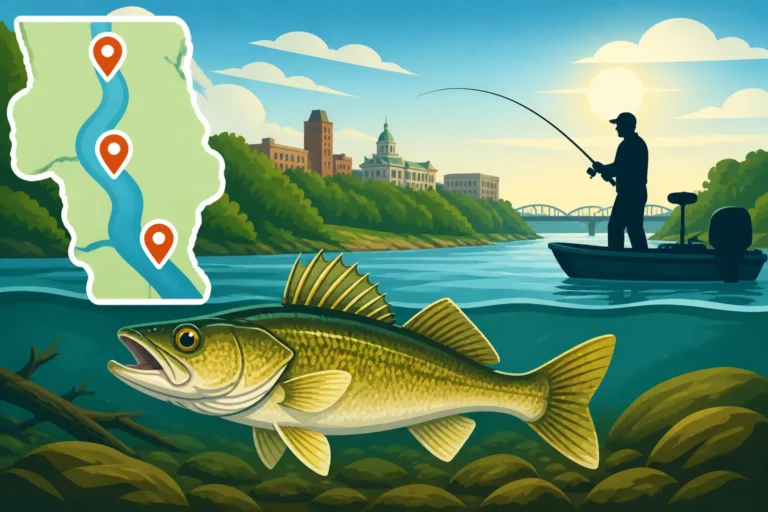
Not everyone has a boat, and that's perfectly fine! Rend Lake offers fantastic opportunities for bank anglers to get in on the bluegill action. The numerous state parks and recreation areas around the lake provide excellent shore access with plenty of fish-holding cover within casting distance. Areas like Wayne Fitzgerrell State Park, located on the western side of the lake, offer extensive shoreline access, fishing piers, and designated bank fishing spots where bluegill frequently congregate. The numerous causeways and bridges that cross parts of the lake also offer excellent shore fishing, providing easy access to deeper water and structure. These spots are particularly good during the spring spawn when bluegill move shallow, and in early mornings or late evenings when they feed actively near the banks. You can often find detailed maps of these access points online, making it easier to plan your visit and pinpoint promising locations. For a more detailed look, check out Shore Fishing Access Points Around Rend Lake.
Rend Lake's Productive Coves and Flats
While deep structure is great, don't overlook the lake's countless coves and expansive shallow flats. These areas, particularly in the larger arms of the lake like the Casey Fork and Big Muddy arms, are prime bluegill real estate, especially during the spring and fall. Shallow coves with a mix of wood, rock, and vegetation are ideal spawning grounds in spring, and bluegill will aggressively guard their nests. As the seasons change, these flats continue to be important feeding zones, attracting bluegill that cruise for insects and small baitfish. Look for subtle depressions, old creek channels, or isolated clumps of brush on these flats. These slight changes in depth or cover can hold significant numbers of bluegill. Using a good mapping app or a fish finder can help identify these nuances on the larger flats.
Master Your Rend Lake Bluegill Techniques
Catching Rend Lake bluegill isn't about complexity; it's about presenting the right bait in the right way. While they can be aggressive, subtle refinements to your technique can make a big difference in your catch rates.
Best Baits and Lures for Rend Lake Bluegill
Bluegill are not overly picky eaters, which is great news for anglers. However, some baits are undeniably more effective than others on Rend Lake. Live bait reigns supreme, with red worms, wax worms, and crickets being perennial favorites. A small piece of nightcrawler also works wonders. For artificial presentations, tiny jigs (1/32 oz to 1/16 oz) tipped with a small plastic grub, tube, or even just a piece of Berkley Gulp! Alive! work exceptionally well. Colors like chartreuse, white, black, and natural browns and greens are usually productive. Fly anglers will find success with small poppers, rubber-legged spiders, and wet flies. The key is to keep your bait or lure small enough for a bluegill's mouth. For more specific bait recommendations for different species, you might find tips in guides like Illinois Bluegill Fishing: Best Bait and Where to Go.
Effective Rigs and Presentations
Simplicity is often key for bluegill. A classic slip bobber rig is incredibly effective, allowing you to present your bait at a precise depth above structure. Use a small bobber, a single split shot about 6-12 inches above a small hook (size 8 or 10 is perfect), and your chosen live bait. For artificials, a similar setup without a bobber, simply casting and slowly retrieving or jigging, can be deadly. When fishing vertical over brush piles or timber, a tightlining approach with just a small weight above your hook allows for precise drops into cover. Don't be afraid to experiment with your retrieve speed; sometimes a slow, subtle jigging motion is best, while other times a steady retrieve can draw strikes. Paying attention to what the fish are telling you on any given day is paramount.
Reading the Water and Bluegill Behavior
Successful bluegill fishing involves more than just casting a line; it's about understanding their behavior in response to environmental cues. Water temperature is a huge factor – bluegill become more active as water warms, leading to aggressive feeding and spawning. Look for changes in water color or clarity; sometimes slightly stained water can provide bluegill with a sense of security, making them more willing to bite. Pay attention to wind direction and strength; a light chop can break up the surface, making it harder for bluegill to spot you and easier for them to feed. Observe other anglers, and if you have a fish finder, use it to locate schools of baitfish or concentrations of bluegill around structure. Learning to "read the water" means constantly observing and adapting your approach, rather than sticking to one rigid plan.
Seasonal Strategies for Rend Lake Bluegill
Bluegill behavior at Rend Lake changes dramatically throughout the year, driven primarily by water temperature and their spawning cycle. Understanding these seasonal shifts is crucial for consistent success.
Spring Spawn Frenzy and Pre-Spawn Tactics
Spring is arguably the most exciting time for bluegill fishing on Rend Lake, especially from late April through June. As water temperatures climb into the high 60s and low 70s Fahrenheit, bluegill begin their spawning ritual. Prior to the spawn, in early spring when water temps are in the 50s, bluegill move into shallower staging areas, often congregating in protected coves and sun-warmed bays. This is a great time to target them with small jigs or worms fished slowly near developing weed beds or submerged wood. During the actual spawn, bluegill create saucer-shaped nests in shallow water, typically 1-5 feet deep, often in large colonies. They become incredibly aggressive, guarding their nests from anything that gets too close. Fishing these nest beds with a small piece of worm under a bobber or a tiny jig can lead to non-stop action. Many anglers plan their trips around this peak period, and a great way to find the best spots is to consult guides or local reports, which you can often find through services like FishingBooker.
Summer Deep Water and Structure Fishing
Once the spawn is over and summer temperatures soar, bluegill at Rend Lake will often retreat to deeper, cooler waters. They still relate to structure, but now you'll find them around drop-offs, deep brush piles, channel edges, and submerged timber in 8-20 feet of water. This is where a good fish finder becomes invaluable for locating these deeper schools. Vertical jigging with tiny jigs or small spoons, or slowly drifting live bait along contours, can be very effective. Early mornings and late evenings might see some larger bluegill move shallower to feed, but during the heat of the day, focus on those thermoclines and deeper hideouts. The key to summer success is being patient and persistent in finding those elusive deeper schools.
Fall Transition and Feeding Patterns
As autumn arrives and water temperatures begin to drop, bluegill at Rend Lake enter a period of aggressive feeding to bulk up for winter. They often move back into shallower areas that still hold warmth, such as flats, points, and the edges of coves. This can be a fantastic time to catch large numbers of active bluegill. They'll readily hit small jigs, minnow imitators, and of course, live bait. The fish tend to be more spread out than during the spawn, so covering water and looking for active schools is important. This feeding frenzy typically lasts until the water temperatures dip consistently into the low 50s.
Winter Ice Fishing for Bluegill
When Rend Lake freezes over, it transforms into an ice fishing paradise for bluegill enthusiasts. Bluegill remain active under the ice, often schooling in basins or along subtle contours where oxygen levels are stable. Shallow bays with lingering vegetation or deep channels become prime targets. Small tungsten jigs tipped with a single wax worm, spike, or a piece of plastic are deadly. The key is to fish slowly and subtly, using a sensitive rod to detect those light bites. Ice fishing offers a unique challenge and reward, and Rend Lake consistently delivers good winter panfish action, especially at areas like the Bonnie and Gun Creek arms. Always ensure ice conditions are safe before venturing out, and be aware of all Illinois Fishing Regulations Overview specific to ice fishing.
Essential Gear and Boat Access for Rend Lake
Having the right equipment and knowing where to launch your boat can significantly improve your Rend Lake bluegill experience. You don't need a massive investment, but quality gear helps.
Recommended Rods, Reels, and Lines
For bluegill, ultralight tackle is the way to go. A 5' to 6'6" ultralight spinning rod paired with a small spinning reel (500 to 1000 size) spooled with 2-4 pound monofilament or fluorocarbon line is ideal. This setup allows for maximum sensitivity to detect subtle bites and makes even a modest bluegill feel like a trophy. Some anglers prefer a slightly longer, light-action rod for better casting distance from the bank. The light line is crucial for presenting small baits naturally and preventing spooking these often-wary fish. Don't skimp on quality; a good ultralight rod will transfer every nibble directly to your hand. For more general advice on tackle, consider browsing options like Illinois Panfish Tackle Setup.
Best Boat Ramps at Rend Lake for Weekend Anglers
Rend Lake is well-equipped with numerous public boat ramps, ensuring easy access to its vast waters. Popular ramps include those at Wayne Fitzgerrell State Park, the Bonnie Dam access, and Gun Creek. These ramps are typically well-maintained and offer ample parking, making them suitable for weekend anglers with various boat sizes. When planning your trip, consider which part of the lake you want to explore. For instance, the northern ramps might put you closer to the Casey Fork arm, while southern ramps offer quicker access to the Big Muddy arm. If you're looking to launch a smaller craft or kayak, many of the park areas have more secluded access points. Remember to check local conditions, especially during peak seasons, as some ramps can get busy. For a broader look at boat access, refer to Best Boat Ramps for Fishing in Illinois.
Electronics and Accessories for Panfish
While not strictly necessary, modern electronics can drastically improve your bluegill fishing, especially when targeting deeper summer fish. A good fish finder with down imaging or side imaging capabilities can help you locate submerged brush piles, timber, and even schools of bluegill that might otherwise go unnoticed. Portable fish finders are great for bank anglers or kayak fishing. Beyond electronics, essential accessories include a small tackle box (or even just a vest with pockets) for your jigs, hooks, bobbers, and weights. A pair of small pliers for hook removal, a stringer or cooler for your catch, and a tape measure to check for legal lengths (though bluegill typically don't have strict size limits, it's good practice) are also vital. Don't forget sunscreen, bug spray, and plenty of water, especially on hot summer days.
Tips for a Successful Rend Lake Bluegill Trip
Beyond the gear and techniques, a successful bluegill trip to Rend Lake also involves smart planning and being aware of the rules and local resources.
Understanding Lake Regulations
Before you cast your first line, make sure you're familiar with all the relevant regulations. Every angler 16 years or older needs an Illinois Fishing License Guide for 2026. While bluegill usually have generous daily limits, it's essential to check the current Illinois fishing regulations for any specific site-specific rules that might apply to Rend Lake or its different sections. These regulations are designed to protect the fishery and ensure sustainable angling for everyone. Ignorance of the rules is no excuse, and wardens do patrol the lake. A quick review of the official IDNR fishing guide before your trip can save you a lot of trouble.
Planning Your Trip and Local Resources
Rend Lake is a popular destination, so a little planning goes a long way. If you're coming from out of town, consider accommodations in nearby towns like Mount Vernon, Benton, or Sesser. There are also campgrounds and cabins available within Wayne Fitzgerrell State Park. Local bait and tackle shops are invaluable resources for up-to-the-minute fishing reports, bait recommendations, and advice on hot spots. Don't hesitate to strike up conversations with other anglers at the boat ramp; most are happy to share general tips. For those who prefer a guided experience or want to maximize their chances right away, consider connecting with a local fishing guide. Platforms like FishingBooker can help you find experienced Rend Lake guides who specialize in panfish, offering local insights that can be hard to come by on your own. They can often provide the specific location data, like Rend Lake's Best Spots for Trophy Bluegill Over a Pound, that might take you years to discover.
Disclaimer
The information provided in this guide is for general informational purposes only and is subject to change. Always consult the official Illinois Department of Natural Resources (IDNR) regulations and local authorities for the most current rules, license requirements, and safety guidelines before engaging in any fishing activities on Rend Lake or any other body of water. Fishing conditions and regulations can vary by season and specific location.