Kankakee River Fishing Guide in Illinois
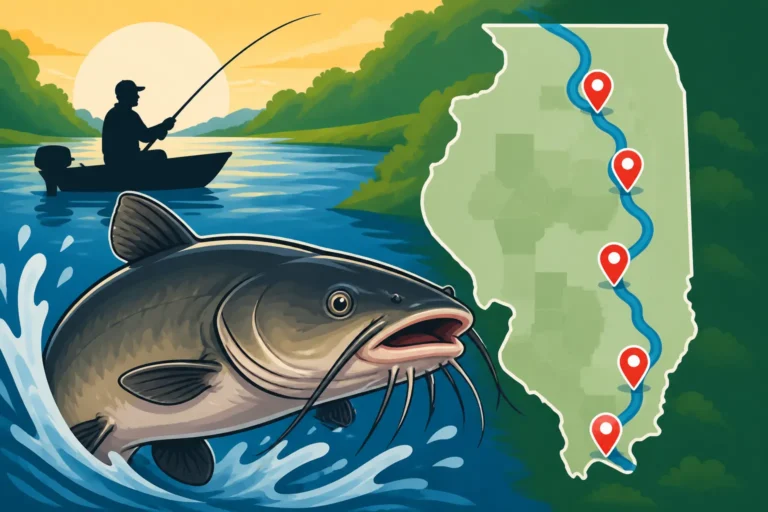
You know that feeling when you're itching to get out on the water, but every time you try a new spot, it feels like you're starting from scratch with no idea what to expect? The Kankakee River, with its unique blend of swift currents and serene pools, can definitely be one of those places. It's beautiful, full of potential, but also a bit intimidating if you don't know its secrets. This guide is here to unravel those mysteries, helping you understand this fantastic waterway so you can make your next Kankakee River fishing trip a truly memorable one, whether you're targeting smallmouth, walleye, or monster catfish.
Understanding the Kankakee River's Unique Character
The Kankakee River isn't just another body of water; it's a living, breathing ecosystem with a personality all its own. For anglers, this means adapting to its distinct features, from the geology that shapes its flow to the subtle shifts in water levels that dictate fish behavior. It’s a truly iconic Illinois waterway, offering some incredible angling experiences.
A River of Contrasts: Rocky Shoals to Deep Pools
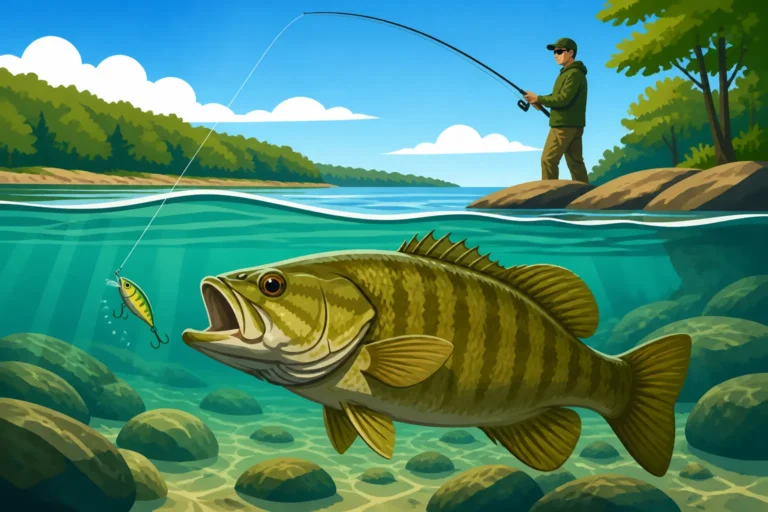
What truly sets the Kankakee River apart is its incredible diversity, particularly in its upper and middle stretches. Imagine a river that can be a gentle, meandering stream one moment, then transform into a churning, rocky rapids the next. That's the Kankakee. You'll find long, slow-moving sections that pool into deep holes, often hugging undercut banks or fallen timber. These are prime spots for larger fish seeking refuge and cooler temperatures. Then, abruptly, the river can open up into vast, shallow flats characterized by rocky shoals and swift current, creating oxygen-rich environments perfect for species like smallmouth bass and walleye. Navigating these transitions is key to understanding where the fish might be holding. The geology plays a huge role here; the riverbed isn't uniform, with limestone bedrock creating natural riffles and rapids, while softer sediments accumulate in the deeper, slower sections.
Water Levels and Their Impact on Fishing
If you've spent any time fishing rivers, you know that water levels are almost as important as the weather itself. The Kankakee River is no exception. A rising river, often after significant rainfall, can bring in fresh nutrients and dislodge baitfish, triggering feeding frenzies, but it can also make the water muddy and difficult to fish. Conversely, very low water levels, especially during dry summer months, can concentrate fish in deeper pools and channels, but also make them warier and harder to approach. It’s a constant dance with nature. Keeping an eye on local rainfall and stream gauges can give you a massive advantage. For instance, after a sustained period of high water begins to recede, the fish often move into newly accessible cover along the banks, making them easier to target. When the water is very clear and low, you might need to scale down your line and lure size and approach your spots with more stealth.
Popular Access Points and Their Amenities
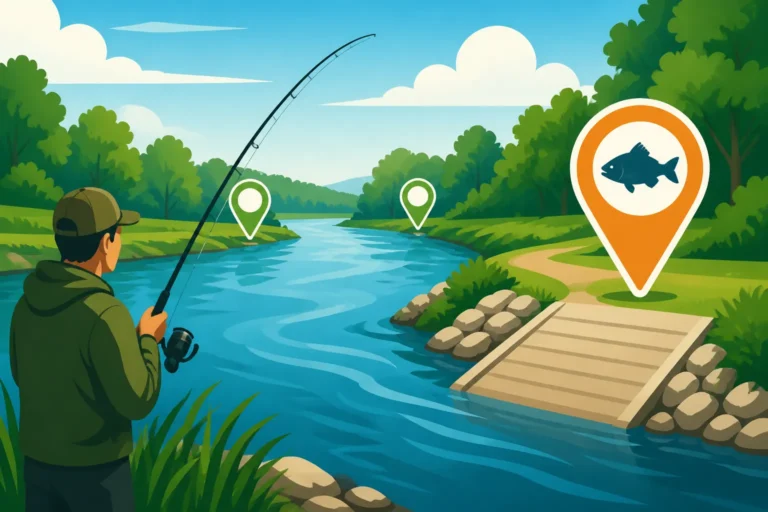
One of the great things about the Kankakee River is the relatively abundant public access, especially compared to some other Illinois rivers. You'll find numerous boat launches, many of which are well-maintained by local park districts or the state. For those looking to launch a full-sized bass boat or a larger john boat, places like the launch at Kankakee River State Park or the one in Wilmington offer good concrete ramps. However, many anglers also favor smaller access points for kayaks and canoes, which allow them to get into more secluded areas. Shore fishing is also very popular along the river, with designated access points offering trails and clear bank fishing areas. The Kankakee River State Park, for example, boasts miles of shoreline accessible by foot, providing fantastic opportunities for anglers who prefer to stay on terra firma. Check out some of the specific spots at Best Shore Access on the Kankakee River, Illinois. Many of these points also come with amenities like restrooms, picnic areas, and even bait and tackle shops nearby, making it easier to plan a full day out.
Prime Fishing Seasons and Target Species
Knowing what to fish for and when to fish for it on the Kankakee River can drastically improve your success. This river is a seasonal smorgasbord, with different species peaking at various times of the year, offering year-round angling opportunities if you know where to look.
Spring: Walleye and Smallmouth Runs
Spring on the Kankakee River is truly magical, a time when the river comes alive after the winter chill. As water temperatures begin to rise, typically from late March through May, the river experiences a fantastic run of both walleye and smallmouth bass. Walleye often move upstream to spawn in the shallower, rocky sections, making them more accessible to anglers, especially those targeting them from shore or with smaller boats. Jerkbaits, jigs tipped with minnows, and blade baits are classic choices during this period. Simultaneously, the smallmouth bass, which are renowned fighters in the Kankakee, begin to shake off their winter lethargy. They'll start moving out of their deeper wintering holes and into current seams and rocky areas, actively feeding to prepare for their own spawn. This is a prime time for throwing small crankbaits, tubes, and soft plastics. Understanding the Illinois Fishing Seasons Guide can help you pinpoint the best windows for these spring runs. The key is to pay attention to water temperature and flow; a cold front can shut things down quickly, but a few warm, sunny days can turn the bite on like a switch.
Summer: Catfish, Panfish, and Bass Strategies
When the heat of summer really settles in, the Kankakee River transforms again. While the spring runs might slow down, new opportunities emerge, particularly for warm-water species. Catfish, especially channel catfish and flatheads, become incredibly active. They'll be found in deeper holes, around fallen timber, and along current breaks, especially during low-light conditions or after dark. Cut bait, chicken livers, and stink baits are king for channels, while live bait like bluegills or suckers are essential for tempting those big flatheads. The river also holds a healthy population of panfish, including bluegill and crappie, which can provide fantastic action, especially for families or beginners. Look for them around submerged brush piles, weed beds, and slower backwater areas. While not as aggressive as in spring, largemouth and smallmouth bass are still present. You’ll need to adapt your approach, often focusing on early morning, late evening, or targeting shady, oxygen-rich cover during the brightest parts of the day. Topwater lures, jigs, and Texas-rigged plastics fished slowly can be very effective for bass in summer. Don't forget that on a hot summer day, a guided trip with a local expert booked via platforms like FishingBooker can really help you locate the hidden honey holes.
Fall: Muskie and Pike Opportunities
As summer wanes and the air crisps up in fall, the Kankakee River enters another exciting phase, particularly for anglers seeking toothy predators. This is prime time for muskie and northern pike. These apex predators become incredibly aggressive, fattening up before winter, and are often found lurking in ambush points along current breaks, weed lines, and around structural features. Large bucktails, crankbaits, and even live suckers are popular choices for muskie anglers. The Kankakee has a reputation for producing some truly massive muskie, making it a bucket-list destination for many trophy hunters. For detailed information on these exciting species, check out the Muskie Fishing in Illinois: The Complete Guide. Pike also become more active, often found in similar habitats, and will readily strike spoons, spinnerbaits, and larger swimbaits. Bass, particularly smallmouth, also have a strong fall bite as they feed heavily. They'll often school up in deeper pools and along rocky banks, hitting crankbaits, jigs, and even live bait. The crisp fall weather and vibrant foliage make this a beautiful time to be on the Kankakee, even if the fishing requires a bit more patience.
Essential Techniques and Tackle for the Kankakee
Fishing the Kankakee River effectively means having the right tools and knowing how to use them. This river demands versatility; what works in a slow pool might be useless in a swift riffle. Let’s dive into the specifics that will give you an edge.
River Rigs for Different Species
Successfully fishing the Kankakee requires a thoughtful approach to rigging, as currents and structure vary greatly. For bottom-dwelling species like catfish and walleye, a simple Carolina rig or a three-way swivel rig is often your best bet. A Carolina rig, with its sliding egg sinker above a swivel and leader, allows your bait to tumble naturally with the current while keeping it close to the bottom. For even stronger currents, a three-way swivel rig lets you suspend your bait slightly off the bottom, preventing snags, with a heavy sinker holding bottom. For smallmouth bass, especially in rocky areas, a tube jig or a Ned rig fished on a lighter line can be incredibly effective. These lighter presentations mimic crawfish and baitfish that smallmouth feast on. If you're targeting muskie or pike, you'll need heavy-duty gear: stout rods, baitcasting reels spooled with heavy braid, and wire leaders to prevent bite-offs. Knowing how to set up a proper catfish rig can make all the difference, and you can learn more by looking at Catfish Fishing Techniques and Bait Guide. The key is to match your rig to the conditions and the species you're pursuing.
Lure and Bait Selection for Success
The Kankakee River is incredibly diverse, meaning your tackle box needs to be too. For smallmouth bass, a variety of lures work well. Crankbaits in crawfish or baitfish patterns are excellent for covering water, especially those that dive to different depths depending on the section of the river. Spinnerbaits and chatterbaits excel in stained water or around weeds. Tubes, jigs, and soft plastics (like senkos or creature baits) are crucial for working slower pools and targeting specific cover. For walleye, jigs tipped with live minnows or plastic grubs are perennial favorites, as are crankbaits trolled or cast along current seams. Catfish are less picky, but fresh cut bait (like shad or carp), chicken livers, and various stink baits are hard to beat. If you're after flatheads, live bluegill or suckers are almost mandatory. For muskie and pike, bring out the big guns: large bucktails, oversized crankbaits, soft plastic swimbaits, and jerks. Consider local bait shops when you're stocking up; they often have the freshest live bait and the hottest local lure patterns. You can find more specific recommendations for smallmouth bass at Best Bait and Lures for Illinois Smallmouth Bass. Don't be afraid to experiment, but always start with proven local favorites.
Kayak and Shore Fishing Strategies
The Kankakee River is incredibly popular for both kayak and shore anglers, offering distinct advantages for each.
Kayak Fishing: Kayaks and canoes offer unparalleled access to quieter, shallower stretches of the river that larger boats can't reach. This allows you to drift silently through prime fishing areas, target specific pockets of cover, and get into those less-pressured spots. For kayak anglers, stealth is your biggest weapon. Focus on hugging shorelines, navigating around log jams, and presenting your lures to ambush points. You'll want a stable kayak, a good paddle, and minimal gear to keep things streamlined. Many sections of the Kankakee are perfect for float trips, where you can put in at one access point and take out downstream, fishing as you go. Remember to check current conditions and always wear your life jacket.
Shore Fishing: For those who prefer to keep their feet on solid ground, the Kankakee offers ample opportunities. The Kankakee River State Park, for instance, has miles of accessible shoreline. When shore fishing, focus on areas with current breaks, eddies, deeper pools, and visible structure like fallen trees or rock piles. These spots funnel fish and provide cover. Casting jigs, crankbaits, or bait rigs into these areas can be very productive. Early mornings and late evenings are often the most productive times for shore anglers, as fish move closer to the banks to feed. Being mobile is key; if a spot isn't producing, don't be afraid to walk a bit further down the bank to find a more active area. Whether by kayak or on foot, understanding the river's flow and structure will guide your success.
Navigating Regulations and Conservation Efforts
Fishing the Kankakee River, like any waterway in Illinois, requires an understanding of the state's fishing regulations. These rules are in place not just to maintain healthy fish populations but also to ensure a fair and sustainable experience for everyone. Disregarding them can lead to hefty penalties, so it's always best to be informed.
Understanding Size and Creel Limits
Illinois Department of Natural Resources (IDNR) sets specific size and daily creel (catch) limits for various fish species throughout the state, and the Kankakee River often has its own localized rules that can differ from statewide regulations. For instance, while there might be a general statewide limit for bass, the Kankakee River could have a slot limit or a different daily bag limit to protect its populations. You absolutely need to consult the most current Illinois Fishing Information Guide before heading out. This guide will detail specific length limits for species like walleye, which might have a 14-inch minimum, and daily bag limits, such as the Illinois Statewide Bass Fishing Limits of six fish per day. For catfish, the rules can vary greatly depending on the species; for example, you might have a different daily limit for channel catfish compared to flatheads. It's not just about what you catch, but also what you keep, and ensuring those fish meet the legal requirements.
Special Regulations for the Kankakee River State Park
The Kankakee River State Park is a jewel in the Illinois park system, and as such, it sometimes has additional, more stringent regulations to protect its natural resources. While the general statewide and river-specific rules still apply, park-specific rules might include things like no live bait restrictions in certain areas, limits on motor size, or even specific times when fishing is permitted. For instance, certain sections of the park might be designated as catch-and-release only for specific species or during certain seasons. It's crucial to check the signage posted within the park itself and consult the IDNR website specifically for Kankakee River State Park fishing rules. These special rules are often designed to safeguard spawning grounds or sensitive habitats, so adhering to them helps preserve the fishing experience for future generations. Don't assume the rules you know for another Illinois lake apply here; always verify.
Practicing Catch and Release and River Etiquette
Beyond the written rules, there’s an unwritten code of conduct that all responsible anglers should follow, especially on a popular waterway like the Kankakee River. Practicing catch and release, particularly for larger breeding fish or species that are difficult to manage, is a cornerstone of conservation. Learning proper fish handling techniques – minimizing air exposure, using wet hands, and de-hooking quickly – ensures that released fish have the best chance of survival. This is especially important for prized species like muskie and trophy smallmouth bass. River etiquette is equally important. This includes respecting other anglers' space, whether they're on the bank, in a kayak, or in a boat. Avoiding excessive noise, not cutting off other boats, and being mindful of your wake are all part of a positive shared experience. Most importantly, always pack out everything you pack in. Leaving no trace ensures that the Kankakee River remains beautiful and healthy for everyone to enjoy for years to come. Remember, we're all stewards of these incredible resources.
Exploring Kankakee River's Best Fishing Zones
The Kankakee River is a long and varied waterway, offering different types of fishing depending on where you drop your line. From the well-known hotspots within the State Park to the more urban stretches and hidden tributaries, each zone has its own charm and angling potential.
Kankakee River State Park Hotspots
The Kankakee River State Park is arguably the most famous fishing destination on the river, and for good reason. Stretching for miles along both banks, the park offers a diverse range of habitats. You'll find prime smallmouth bass habitat in the rocky riffles and swift runs, especially in the sections around the Kankakee Dam. These areas are fantastic for wading, particularly when water levels are moderate. Deeper pools and slower sections, often found just below rapids or around prominent bends, are excellent for walleye, channel catfish, and even the occasional muskie.
Popular spots within the park include the areas near the Two Rivers headwaters, where the Kankakee and Iroquois Rivers meet, and the area around the main dam itself. Both offer strong current and good access. Many anglers also find success in the numerous pockets and eddies created by fallen trees and rock outcroppings. For those who prefer shore fishing, the park's extensive trail system provides access to countless promising locations. Remember that the park can get crowded, especially on weekends, so arriving early or exploring less-traveled paths can pay off.
Urban and Downstream Opportunities
While the State Park gets a lot of attention, don't overlook the fishing opportunities in the more urbanized and downstream sections of the Kankakee River. Towns like Wilmington, Kankakee, and Momence all have accessible sections that can be incredibly productive. Below the Kankakee Dam, the river broadens and slows in many areas, creating excellent habitat for catfish, largemouth bass, and panfish.
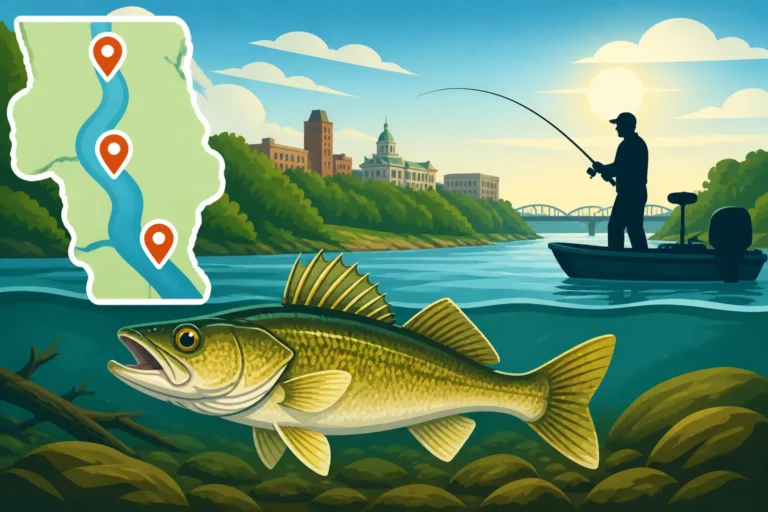
In Wilmington, the river still retains some of its rocky character, offering good smallmouth and walleye fishing, particularly around bridges and public parks. Further downstream, as the river approaches the Des Plaines River to form the Illinois River, it becomes wider and deeper, transitioning into prime territory for larger flathead catfish and even some carp fishing. These areas, while perhaps lacking the pristine feel of the State Park, often have fewer anglers and can yield surprising catches. Public boat launches and city parks often provide the best access points in these urban stretches. Don’t be afraid to try some local spots you might find listed on platforms like FishingBooker, often shared by local guides.
Less-Pressured Tributaries and Backwaters
Beyond the main stem of the Kankakee River, there's a network of tributaries and backwater areas that offer fantastic, often less-pressured, fishing. Rivers like the Iroquois and Momence are significant tributaries that feed into the Kankakee, and they offer their own unique fishing experiences. These smaller waterways can be excellent for smallmouth bass, particularly in their upper reaches where they are more stream-like. They also hold good populations of channel catfish and various panfish.
Backwater sloughs, oxbow lakes, and wetland areas connected to the main river can be phenomenal for crappie, bluegill, and largemouth bass, especially in spring and fall. These areas often warm up faster in spring and retain heat longer in fall, attracting baitfish and the predators that follow them. Access to these spots might require a small boat, canoe, or kayak, and sometimes a bit of bushwhacking, but the reward of finding untouched water can be immense. Always be mindful of private property when exploring these hidden gems, and ensure you have the appropriate Illinois Fishing License Guide for 2026 for all waters you plan to fish.
| Species Targeted | Prime Season | Preferred Habitat | Best Lure/Bait | Kankakee River Zone |
|---|---|---|---|---|
| Smallmouth Bass | Spring, Fall | Rocky riffles, current breaks, clear water | Crankbaits, Tubes, Jigs | State Park, Upper River |
| Walleye | Spring, Fall | Deeper current seams, rocky bottoms | Jigs (minnow-tipped), Crankbaits | State Park, Mid-River |
| Channel Catfish | Summer, Fall | Deeper holes, log jams, current breaks | Cut bait, Chicken liver, Stink bait | All zones, especially downstream |
| Flathead Catfish | Summer | Deepest holes, heavy cover, timber | Live bluegill/sucker | Mid to Lower River |
| Muskie | Fall, Summer | Ambush points, weed edges, deeper pools | Large bucktails, Crankbaits, Swimmbaits | State Park, Mid-River |
| Crappie | Spring, Fall | Backwater sloughs, brush piles, slower areas | Jigs (plastic/live minnow), Minnows | Backwaters, Lower River |
| Bluegill | Summer | Weed beds, submerged brush, shallow cover | Worms, Crickets, Small jigs | Backwaters, Slower Pools |
Planning Your Kankakee River Fishing Adventure
A successful fishing trip on the Kankakee River goes beyond just knowing where the fish are; it involves thoughtful planning, leveraging local expertise, and knowing what resources are available to you.
Local Resources and Bait Shops
One of the absolute best pieces of advice any seasoned angler can offer is to consult with the locals. When you're planning a trip to the Kankakee, your first stop should almost always be a reputable local bait and tackle shop. Shops like Peotone Bait & Tackle or Kankakee River Trading Post aren't just places to buy worms; they are community hubs brimming with invaluable, up-to-the-minute information. The folks working there fish these waters constantly, and they know what's biting, where, and on what. They can tell you if the river is high and muddy, if the smallmouth are on their beds, or if the walleye are hitting on a specific jig color.
They'll also have the right local baits and lures that are proven producers on the Kankakee, saving you a lot of guesswork. Plus, many local shops are happy to point you to lesser-known access points or offer advice on navigating tricky stretches of the river. Don't be shy – strike up a conversation! This local knowledge is truly gold, and it can transform a frustrating day into a fantastic one.
Hiring a Local Guide for an Edge
If you're serious about maximizing your time on the Kankakee River, especially if it's your first time or you're targeting a specific species like muskie or trophy smallmouth, hiring a local fishing guide can be an absolute game-changer. Think of it as a fast track to success. A good guide doesn't just put you on fish; they teach you how to fish these specific waters. They know the subtle nuances of the river: where the current breaks are, the exact spots where fish ambush prey, and how different weather and water conditions affect the bite.
A guide comes with all the right gear, too, saving you from having to invest in specialized tackle for muskie, for example. They'll show you techniques that are effective on the Kankakee, helping you refine your casting, retrieve, and presentation. It’s an investment, but the knowledge gained and the potential for catching that fish of a lifetime is well worth it. You can often find highly recommended Kankakee River guides through online platforms like FishingBooker, which makes booking and comparing options incredibly easy. Their local expertise can put you years ahead in understanding this complex waterway.
Accommodation and Nearby Attractions
A fishing trip to the Kankakee River doesn't have to be just about fishing, although we all know that's the main draw! The area surrounding the river offers a variety of accommodations and other attractions, making it a great destination for a weekend getaway or a family trip. You'll find a range of options, from budget-friendly motels in towns like Kankakee, Bourbonnais, and Wilmington to more charming bed and breakfasts or even cabins within or near the Kankakee River State Park. Booking in advance, especially during peak fishing seasons, is always a good idea.
Beyond the angling, the Kankakee area boasts beautiful natural scenery, hiking and biking trails within the State Park, and local eateries that serve up hearty meals after a long day on the water. If you're bringing the family, there are opportunities for kayaking, birdwatching, and exploring the local history. Having comfortable lodging and a few non-fishing activities planned can turn a great fishing trip into an unforgettable experience for everyone.
Disclaimer
Please note that fishing regulations, license requirements, and local conditions can change. Always consult the latest official Illinois Department of Natural Resources (IDNR) publications or website before your trip to ensure you have the most up-to-date information regarding licenses, permits, size limits, and catch limits for the Kankakee River. This guide is for informational purposes only and should not replace official sources.