Can Game Wardens Check Your Fishing License on the Water?
It can be incredibly frustrating to be out on the water, enjoying a peaceful day of fishing in Illinois, only to wonder if that approaching boat belongs to a game warden who might interrupt your outing. Many anglers feel a knot of anxiety, unsure of their rights or what to expect when a Conservation Police Officer (CPO) pulls alongside. This guide aims to clear up all those questions, helping you understand the authority of Illinois game wardens and what happens during a routine license check on the water.
Understanding the Role of Illinois Game Wardens
Let's be honest, the sight of a boat marked "Conservation Police" can make even the most law-abiding angler a little nervous. But it's important to remember that these officers, often simply called game wardens, play a crucial role in maintaining the health of Illinois's fisheries and wildlife resources for everyone to enjoy. They aren't just out to give tickets; they're safeguarding our natural heritage.
Who Are Illinois Conservation Police Officers
In Illinois, the dedicated individuals enforcing fishing and hunting laws are officially known as Conservation Police Officers (CPOs). These aren't just park rangers; they are fully sworn law enforcement officers with the same powers as state troopers or county sheriffs. They wear uniforms, carry firearms, and have the authority to make arrests and issue citations. Their primary focus, however, is on protecting natural resources and ensuring compliance with the Illinois Department of Natural Resources (IDNR) regulations. This means they are responsible for upholding everything from fishing license requirements to species-specific catch limits and boating safety rules. Their work ensures that lakes like Rend Lake and rivers like the mighty Mississippi continue to thrive, providing opportunities for future generations of anglers.
Why They Patrol the Waters
The reason CPOs patrol the waters, whether it's a small pond in a state park or the vast expanse of Lake Michigan, is multifaceted. Firstly, it's about enforcing regulations that are designed to protect fish populations from overharvesting and ensure sustainable fishing practices. Without these rules, certain species could quickly dwindle. Secondly, CPOs are often the first responders to boating accidents and can provide critical assistance in emergency situations on the water. They also address issues like pollution, illegal dumping, and even poaching, which can severely damage aquatic ecosystems. Their presence serves as a deterrent to illegal activities and promotes responsible behavior among anglers and boaters. Ultimately, their goal is to ensure that everyone can enjoy Illinois's beautiful waterways safely and sustainably.
The Legality of On-Water License Checks
One of the most common questions anglers have is whether game wardens truly have the right to stop them on the water and demand to see their fishing license. The answer, unequivocally, is yes. These checks are a fundamental part of their duties and are legally backed.
Legal Basis for Checks and Inspections
Illinois law grants Conservation Police Officers broad authority to enforce the state's Fish and Aquatic Life Code, Wildlife Code, and Boat Registration and Safety Act. This authority includes the right to stop, board, and inspect any vessel or vehicle believed to be in violation of these laws, or simply to ensure compliance. When a CPO pulls up to your boat on Lake Shelbyville or when you're bank fishing along the Fox River, they are operating entirely within their legal rights to ask for your fishing license and identification. They don't need a specific reason or probable cause to check your license, similar to how a police officer might check a driver's license at a roadside stop. This proactive enforcement is considered essential for protecting public resources. It helps them identify individuals who might be fishing without a proper license or violating other regulations, which could lead to overfishing or harm to the ecosystem.
Understanding Your Obligations as an Angler
As an angler in Illinois, you have a clear obligation to possess a valid fishing license and any necessary stamps, like an Illinois Trout and Salmon Stamp Requirements or an Illinois Inland Trout Stamp Requirements, depending on what you're fishing for and where. Furthermore, you are legally required to present these documents, along with a valid form of identification, upon request by an Illinois Conservation Police Officer. Refusing to comply with a legitimate request from a CPO can lead to further legal trouble, including citations or even arrest. It's not about being confrontational; it's about understanding that these officers are doing their job to protect the very resource you're trying to enjoy. Being cooperative and respectful will always lead to a smoother interaction. You are expected to have your license readily accessible, whether it's a physical copy or a valid digital one on your phone.
What to Expect When a Game Warden Approaches You
So, you see a CPO boat heading your way, or one pulls up next to you on the shore. What's the protocol? Knowing what to do can make the experience quick, painless, and even pleasant.
The Standard Procedure for a License Check
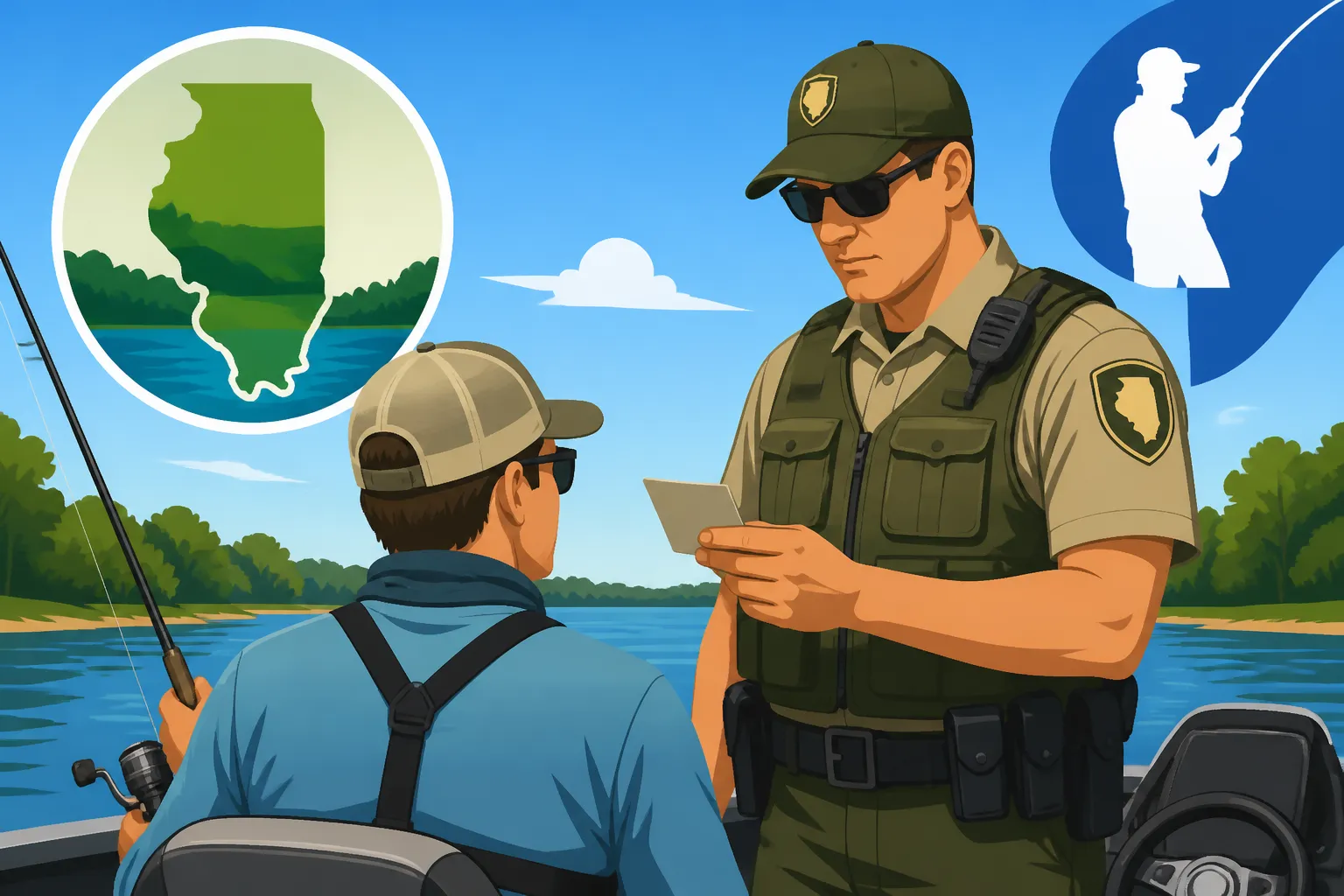
When a game warden approaches, they will typically identify themselves and state the reason for the stop, which is usually a routine license and compliance check. They might ask how your fishing day is going or if you've had any luck, but the primary purpose is to verify you're legally permitted to fish.
Here’s a breakdown of what usually happens:
- Approach and Identification: The CPO will typically pull alongside your boat or approach you on shore. They will be in uniform and likely in a marked vehicle or boat. They will verbally identify themselves as a Conservation Police Officer.
- Request for Documents: The officer will then ask to see your valid Illinois fishing license and a form of photo identification. This is where having your documents easily accessible, perhaps in a waterproof pouch or a fishing vest pocket, comes in handy. Many anglers keep a clear plastic holder from Amazon on their boat or attached to their tackle box for easy access.
- Verification of Compliance: Beyond just checking your license, the CPO might also ask about your catch. They could request to see your cooler or livewell to ensure you are adhering to length and daily catch limits for species like bass, walleye, or catfish. They might also check for proper boating safety equipment, such as life jackets and fire extinguishers.
- Brief Questions: They might ask a few questions about your fishing methods, where you launched, or general observations about the lake. Answer truthfully and politely.
- Completion: If everything is in order, they will usually thank you for your cooperation and send you on your way. The interaction is typically brief and professional.
Remember, the goal is often education and compliance, not just citation. A positive interaction can sometimes lead to helpful tips about local fishing conditions or species.
Your Rights and Responsibilities During an Encounter
While CPOs have broad authority, you also have rights. You have the right to be treated respectfully and professionally. You also have the right to remain silent regarding questions that might incriminate you, though refusing to show your license is not an option.
Your primary responsibilities are:
- Cooperate: Present your license and ID promptly.
- Be Truthful: Provide accurate information when asked about your catch or activities.
- Be Respectful: Maintain a polite and cooperative demeanor.
- Ensure Safety: If you're on a boat, ensure your vessel is stable and safe for the officer to approach. If asked to step aboard their boat, comply if it's safe to do so.
It's important to understand that while you might feel inconvenienced, these checks are crucial for the long-term health of our fisheries. If you believe an officer has acted inappropriately, you have the right to document the incident and file a formal complaint with the IDNR, but always do so after the interaction has concluded and in the proper channels. Keeping your cool and being prepared is always the best approach.
The Real Consequences of Fishing Without a License
It's easy to think, "What's the big deal if I just fish for a day without a license?" The truth is, fishing without a valid license in Illinois carries significant penalties that can range from a hefty fine to more severe legal repercussions, potentially ruining more than just your day on the water.
Fines and Legal Ramifications
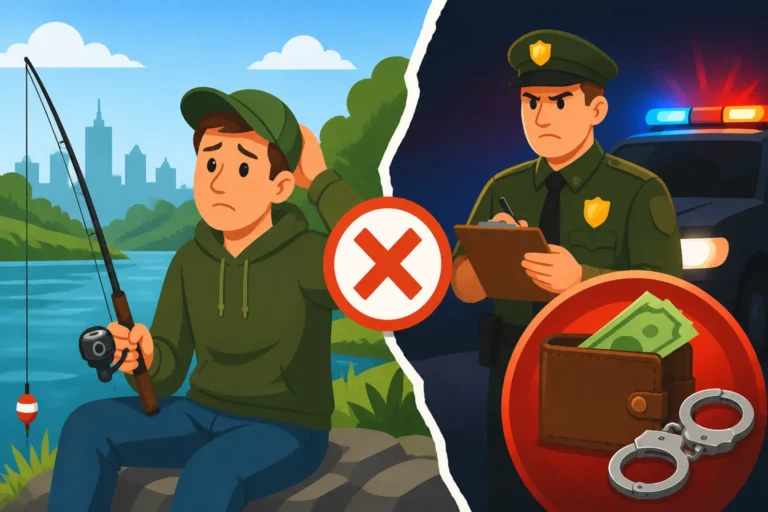
Fishing without a valid Illinois fishing license is not just a minor oversight; it's a violation of state law. In Illinois, fishing without a license is generally classified as a petty offense. While this might sound minor, it can come with a mandatory minimum fine. For example, a first offense for fishing without a license can lead to a fine of up to $1,000, plus court costs. This is certainly a lot more than the cost of an Illinois Resident Annual Fishing License Cost, which is quite affordable. If you are caught repeatedly, the fines can increase, and the offense could even be elevated to a Class B misdemeanor, potentially carrying jail time and probation, though this is rare for a simple license violation unless compounded by other offenses like resisting arrest or providing false information.
Furthermore, if you are also found to be in violation of other regulations—such as exceeding daily catch limits, fishing during a closed season, or using illegal fishing methods—those charges will be added on, significantly increasing your penalties. For instance, being caught with undersized walleye or over your limit of crappie on Lake Shelbyville without a license would compound your legal troubles substantially. The legal process can be time-consuming and stressful, often requiring court appearances in the county where the violation occurred. It's a risk that simply isn't worth taking for the sake of skipping a small fee.
Impact on Future Fishing Privileges
Beyond the immediate financial and legal headaches, being cited for fishing without a license can have lasting consequences on your ability to enjoy fishing in Illinois. The state has systems in place to track violations, and repeat offenders can face suspension or revocation of their fishing privileges. Imagine being told you can't fish any Illinois waters for a year or more—that's a serious blow for anyone who loves the sport. This can be especially frustrating if you plan to get an Illinois Lifetime Fishing License Guide in the future, as past violations might affect eligibility or simply be a black mark on your record.
If your fishing privileges are suspended, it means you cannot legally purchase any type of fishing license or stamp in Illinois during that period. This could even affect your ability to obtain licenses in other states, especially if Illinois participates in interstate compacts regarding wildlife violations. Essentially, a seemingly small violation can impact your recreational freedom for years to come. It’s a stark reminder that the rules are there for a reason, and respecting them is crucial for all anglers.
Practical Tips for Staying Compliant and Prepared
Avoiding an unpleasant interaction with a game warden is mostly about being proactive and prepared. Thankfully, Illinois offers several convenient ways to ensure you’re always compliant.
Digital vs. Physical License Proof
In today's digital age, carrying physical copies of everything can be a hassle. Thankfully, Illinois has adapted, and anglers now have options for proving their licensing.
- Physical License: Many anglers still prefer a traditional, physical fishing license card. You can purchase these at hundreds of vendor locations across the state, including most sporting goods stores like Bass Pro Shops or even local bait and tackle shops. When you buy an Illinois fishing license at a Local Bait Shop, they often print it right there on durable paper. This physical copy is easy to slip into your wallet, tackle box, or a waterproof lanyard.
- Digital License: Illinois allows you to carry digital proof of your fishing license on your phone. This is incredibly convenient! When you buy your license online through the IDNR website, you'll receive an email with a printable version, but you can also simply save a screenshot or the PDF to your phone. If a CPO asks to see your license, you can pull it up on your device. Just make sure your phone is charged and protected from water damage. Some anglers even use waterproof phone cases to ensure their digital proof is always accessible, even if their phone takes an unexpected dip. The flexibility of having a digital copy means you're less likely to forget your license at home.
Regardless of whether you choose a physical card or a digital version, always make sure it's valid for the current Illinois License Year, which starts on March 1, 2026. Knowing when the Illinois License Year Works helps you stay ahead of renewals.
Convenient Ways to Obtain and Renew Your License
Getting your Illinois fishing license is incredibly easy, so there’s really no excuse for not having one.
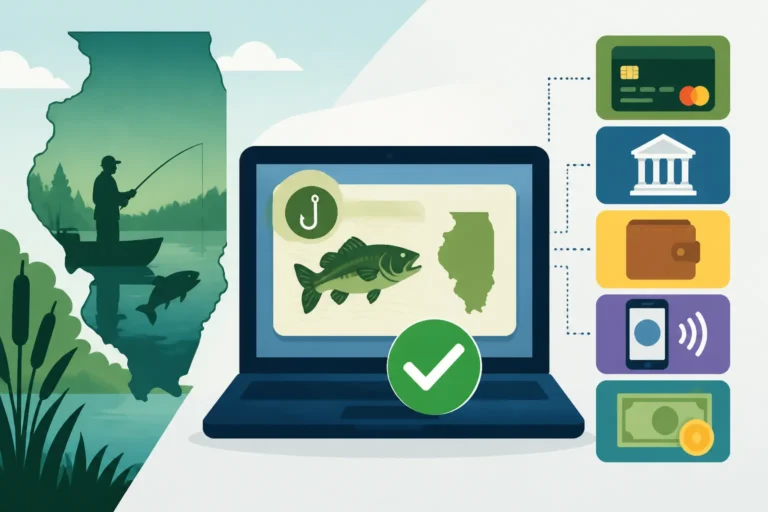
- Online: The easiest and most popular method for many anglers is purchasing their license online directly through the Illinois Department of Natural Resources (IDNR) website. This allows you to purchase your license 24/7 from the comfort of your home, print it out immediately, or save it digitally to your phone. It's quick, efficient, and ensures you're ready to hit the water without delay. This is often the best option for those who are busy or live far from a physical vendor. You can even renew your Illinois fishing license online with just a few clicks.
- Authorized Vendors: As mentioned, countless retail locations across Illinois are authorized to sell fishing licenses. This includes major chains like Walmart and some Amazon-affiliated stores, as well as independent bait shops, sporting goods stores, and even some county clerk offices. These locations often have staff who can help you choose the right type of license for your needs, whether it's an annual resident license or a short-term nonresident option. You can search the IDNR website for a list of vendors near you.
- By Phone: In some cases, you might be able to purchase a license over the phone, though the online system is generally more user-friendly.
Always make sure you have a valid form of identification, such as a driver's license, when purchasing your fishing license, especially if you're trying to take advantage of discounts for an Illinois Senior Fishing License Discounts for Ages 65 to 74. Keeping these methods in mind ensures you're never caught off guard and can always enjoy your time fishing responsibly in Illinois.
| Document / Proof Type | Best Use Case | Advantages | Disadvantages |
|---|---|---|---|
| Physical Card | Traditionalists, No Phone Access | Always visible, no battery issues | Can be lost, damaged by water |
| Printed Copy | Backup, Quick Home Print | Easy to replace, readily available | Prone to tearing, water damage |
| Digital (Phone) | Convenience, Modern Anglers | Always with you, eco-friendly | Dependent on phone battery, water damage risk |
| Photo ID | Essential for All Checks | Universal proof of identity | Must be current, separate item to carry |
Always remember, preparedness is key to a smooth and enjoyable fishing experience in Illinois.
Disclaimer
This guide is intended for informational purposes only and should not be considered legal advice. Fishing regulations and laws can change, and it is always the angler's responsibility to verify the most current rules and regulations with the Illinois Department of Natural Resources (IDNR) before heading out.