Budgeting for a Salmon Fishing Trip on Lake Michigan
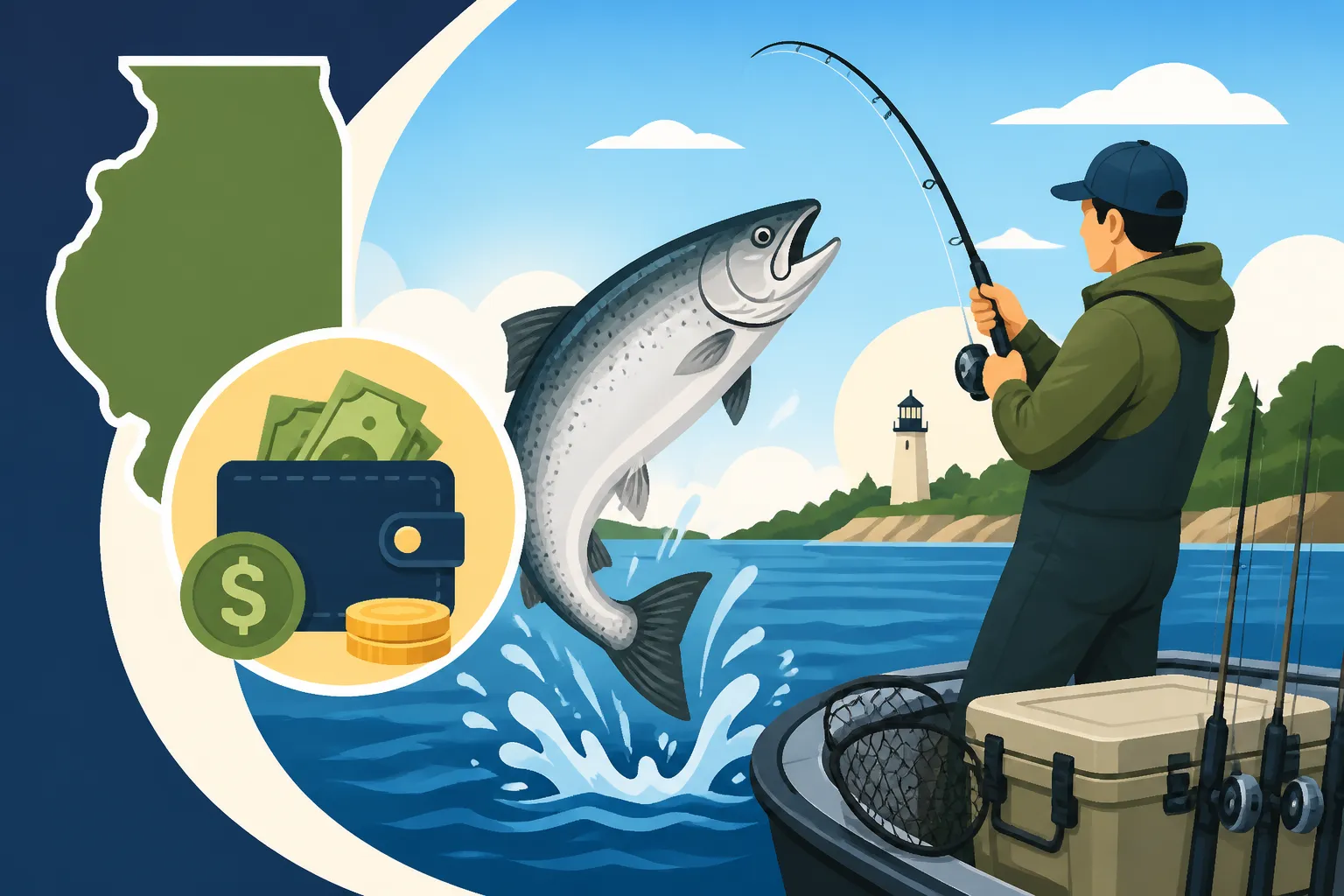
Dreaming of that epic battle with a King Salmon on Lake Michigan, but constantly finding yourself wondering if your wallet can handle the adventure? You're not alone. Many aspiring anglers in Illinois and beyond are intimidated by the perceived cost of chasing salmon and trout in the big lake. This comprehensive guide is here to demystify the expenses, break down exactly where your money will go, and show you how to budget wisely for an unforgettable Lake Michigan salmon fishing trip.
Understanding the Main Cost Categories for a Lake Michigan Salmon Trip
Before you even think about dropping a line, there are several fundamental costs that you absolutely need to factor into your Lake Michigan salmon fishing budget. These aren't just minor incidentals; they form the backbone of your trip's expenses. Ignoring them can lead to unpleasant surprises once you're out on the water.
Licensing and Stamps: The Non-Negotiables
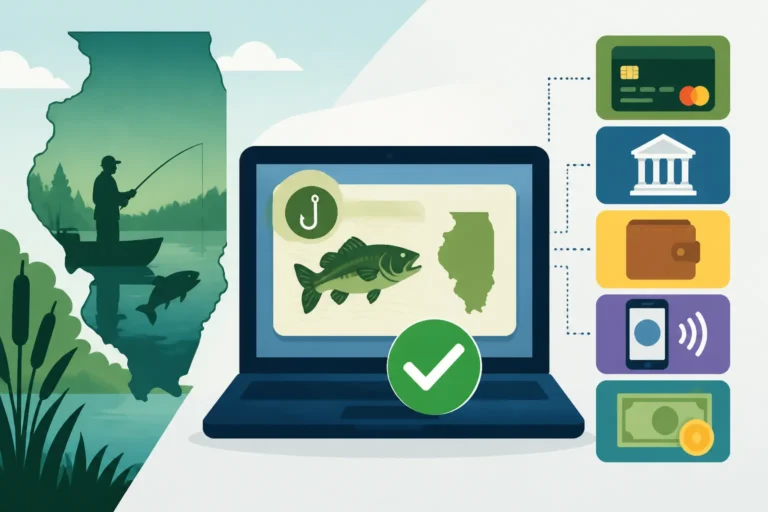
First and foremost, you can't even legally dip your hook in Lake Michigan without the proper paperwork. This includes your general Illinois fishing license, which is a requirement for anyone aged 16 and older. The cost of this varies depending on whether you're an Illinois resident or visiting from out of state, and whether you opt for an annual license or a shorter-term option. For residents, an annual license is currently about $15, while non-residents are looking at around $31 for a full year. There are also 24-hour and 3-day options available, which can be a more budget-friendly choice for a quick trip.
But wait, there's more! If you're specifically targeting salmon or trout in Lake Michigan, you'll also need to purchase a separate Lake Michigan Salmon Stamp. This stamp is an additional $6.50 on top of your standard fishing license. It's not optional if you intend to harvest these magnificent fish. Think of it as your golden ticket to the salmon and trout fishery. For more detailed information on what you’ll need, check out our guide on Illinois Fishing License Costs and Types and specifically review the Lake Michigan Salmon Stamp Requirements for Anglers. Always remember to check the Illinois Department of Natural Resources (IDNR) website for the most current pricing, as these figures can be updated annually.
Charter vs. Private Boat: Your Biggest Decision
This is arguably the most significant financial fork in the road for any Lake Michigan salmon angler. Do you book a charter or venture out on your own private vessel? Each option comes with its own set of budgetary implications, and understanding them is crucial.
A charter fishing trip is often the go-to for many, especially those new to Lake Michigan's vastness or without their own specialized big-water boat. Charters typically operate out of ports like Chicago, Waukegan, or North Point Marina. The cost usually ranges from $150 to $250 or more per person for a full-day trip. However, many charters also offer a flat rate for the entire boat, accommodating groups of 4-6 people, which can total anywhere from $600 to $1,000+. When splitting the cost among friends, this can bring the individual expense down significantly, making it a very accessible option. What’s great about a charter is that all the specialized gear, tackle, and the captain's expertise are included. You just show up, fish, and (hopefully) reel in some beauties. Don't forget to budget for a tip for the crew – 15-20% of the trip cost is standard for good service.
On the other hand, fishing from a private boat means you're responsible for everything. The upfront investment in a boat capable of handling Lake Michigan's conditions can be substantial, often tens of thousands of dollars. Then there are the ongoing costs: fuel (and Lake Michigan is a big lake, so you’ll burn a lot of gas!), maintenance, insurance, storage, and specialized electronics. If you already own such a boat, your primary costs for a single trip will be fuel, bait, and wear-and-tear on your gear. For example, a full day of trolling can easily consume 20-30+ gallons of gasoline, depending on your boat size and motor, which adds up quickly at current fuel prices. While it offers unparalleled freedom and the potential for long-term savings if you fish frequently, the initial outlay and continuous expenses for a private boat make it a far more significant financial commitment. If you’re considering this route, you might find our guide on Best Fishing Boats for Illinois Lakes helpful in your research.
Essential Gear and Tackle: What You Really Need to Buy (or Borrow)
Once you've sorted out how you're getting on the water, the next big piece of the budgeting puzzle is your gear. Lake Michigan salmon fishing isn't your average pond fishing; it demands specific equipment designed to handle powerful fish in deep, expansive waters.
Rods, Reels, and Line: Specialized Equipment
If you're going with a charter, you can largely skip this section as they provide all the necessary rods and reels. However, if you're taking your own boat or want to be fully prepared, you’ll need to invest in some heavy-duty setups. Salmon, particularly King Salmon, are incredibly strong fighters, and standard bass or walleye gear just won't cut it.
You'll need stout trolling rods, typically 7-10 feet in length, with a good backbone to handle the weight of downriggers or planer boards, and the force of a hooked fish. Paired with these rods are robust baitcasting reels, often level-wind models, spooled with plenty of heavy monofilament or braided line – think 20-30 lb test for the main line, with fluorocarbon leaders to fool wary fish. A single quality trolling rod and reel combo can easily run you $100-$300 or more, and you’ll ideally want multiple setups if you’re fishing with more than one person or running multiple lines. Building a full arsenal of 4-6 trolling combos can quickly become a significant expense.
For those just starting out, don't despair! You can often find decent starter combos at sporting goods stores like Cabela's or through online retailers like Amazon. Keep an eye out for sales, and don't be afraid to start with 1-2 good versatile setups before building a complete spread. Many anglers also buy used gear when possible, which can significantly cut down on initial costs. Our in-depth guide to Lake Michigan Trolling Gear for Salmon and Trout offers even more specifics on what to look for.
Lures, Baits, and Terminal Tackle: The Expendables
This is where the costs can subtly creep up on you. Salmon, especially Coho and Chinook (King) Salmon, are attracted to a wide array of artificial lures and natural baits. You'll need an assortment to match different conditions, water depths, and fish preferences.
Common lures include various spoons (like those from Dreamweaver, Michigan Stinger, or Silver Horde), dodgers and flashers paired with artificial flies (e.g., flies from Dreamweaver or Atomik), and even some crankbaits. These can range from $5 to $20 per lure, and you'll quickly discover that you need dozens in different colors, sizes, and patterns to effectively cover your bases. It's easy to spend a couple hundred dollars just on lures for a comprehensive tackle box. Losing a few to snags or break-offs is also part of the game, so they are truly "expendable."
Beyond lures, you might also use natural baits like cut bait (herring, alewives), or even live alewives if regulations permit and you can acquire them. The cost of bait needs to be factored in, especially if you're buying it fresh for each trip. Don't forget essential terminal tackle either: swivels, snap swivels, leader material, hooks, and weights (if not using downriggers). These items are relatively inexpensive individually but add up over time. If you're wondering when these various baits are most effective, our article on the Best Time of Year for Lake Michigan Salmon in Illinois provides some great insights.
| Cost Category | Charter Trip (per person, 4-person group) | Private Boat Trip (per person, 4-person group) | Notes |
|---|---|---|---|
| Fishing License | $15 (resident annual) / $31 (non-resident annual) | $15 (resident annual) / $31 (non-resident annual) | Essential for all anglers 16+ |
| Salmon Stamp | $6.50 | $6.50 | Required for taking salmon/trout from Lake Michigan |
| Trip Cost | $150 – $250 (split boat rate could be $200-250) | $0 (if you own the boat) | Charter covers boat, captain, gear; Private incurs fuel, maintenance |
| Tip for Crew | $25 – $50 | $0 | Standard 15-20% for good charter service |
| Specialized Rods/Reels | Included | $100 – $300+ per setup (for 4-6 setups) | Major upfront cost for private boaters, charters provide this |
| Lures & Baits | Included | $50 – $200+ per trip (accumulated cost) | Charters provide, private boaters need an arsenal |
| Fuel (Boat) | Included | $50 – $100+ (shared by group) | Significant cost for private boaters |
| Food & Drink | $10 – $30 | $10 – $30 | Pack your own snacks to save! |
| Lodging (Optional) | $0 – $100+ (per night, split) | $0 – $100+ (per night, split) | If traveling from far, staying overnight near ports like Waukegan or Chicago |
| Total Est. Cost | $191.50 – $336.50+ | $81.50 – $236.50+ (plus boat/gear investment) | Excludes initial boat/gear purchase for private, which can be thousands of dollars. |
Note: All costs are estimates and can fluctuate based on specific choices, fuel prices, and market conditions.
Hidden Costs and Smart Savings for Your Trip
Beyond the obvious expenses of licenses, boat access, and tackle, there are a few "hidden" costs that can quickly inflate your budget if you don't plan for them. Conversely, there are also smart strategies you can employ to keep those dollars in your pocket.
Fuel, Food, and Lodging: The Often Overlooked
Let's talk about the logistics of getting to the lake. If you're driving from downstate Illinois, the fuel cost for your vehicle can be significant. A round trip from Springfield to Waukegan, for instance, is a substantial drive. Factor in gas for your car, especially if you're towing a boat. Then, there's the fuel for the boat itself, as mentioned earlier. Even on a charter, the drive to the marina can add up.
Food and drinks might seem minor, but buying snacks, lunch, and beverages at marinas or convenience stores can quickly become expensive. A simple sandwich, chips, and a soda can run you $10-$15 per person. Multiply that by a few people and a few trips, and you're looking at real money. A much smarter approach is to pack your own cooler with sandwiches, snacks, and drinks from home.
Finally, consider lodging. If you're planning an early morning charter, or want to fish multiple days, you might need to stay overnight. Hotels near prime Lake Michigan ports like Waukegan, Chicago, or even across the border in Indiana can range from $100-$300+ per night, depending on the season and amenities. Sharing a room with fellow anglers can help, but it's a cost that often gets forgotten in the excitement of planning the actual fishing. If you're looking at specific areas, perhaps a guide on Lake Michigan Shore Fishing Access Near Chicago, Illinois or Lake Michigan Pier Fishing Near Waukegan, Illinois might offer some ideas for land-based options that avoid boat costs entirely.
Smart Ways to Reduce Expenses
Now for the good news: there are plenty of strategies to make your Lake Michigan salmon dream a reality without breaking the bank.
One of the best ways to save on a charter trip is to go with a group. The more people you can split the boat rate with, the lower the individual cost. Gathering a few friends or family members makes it much more affordable. If you don't have a full group, some charters offer "open boat" trips where you can pay per person and join others.
For private boaters, carpooling and splitting fuel costs for both the tow vehicle and the boat are essential. Every little bit helps. When it comes to gear, consider buying used. Check online marketplaces or local fishing forums for anglers selling their trolling setups. You can often find perfectly functional rods, reels, and even downriggers at a fraction of the new price. Brands like Daiwa and Penn offer reliable entry-level gear that can often be found at reasonable prices, especially if you look on platforms like Amazon during sales.
Another savvy move is to make your own tackle. Tying your own leaders, making your own flasher-fly combinations, or even pouring your own weights can save a significant amount over time. It also adds a personal touch to your fishing. For smaller expenses, always pack your own food and drinks. A cooler full of homemade sandwiches and beverages is far cheaper than buying them at the marina.
And don't overlook the power of planning ahead. Booking charters in advance can sometimes secure better rates, and keeping an eye on sales for lures and tackle throughout the off-season (often found on Amazon or at local sporting goods stores) allows you to stock up without the last-minute price rush. While the Illinois Free Fishing Days Guide highlights times when you don't need a state license, remember that the Lake Michigan Salmon Stamp is still required to keep salmon and trout, so be sure to factor that $6.50 in regardless. However, if you are an out-of-state angler, looking into shorter-term licenses like the Illinois Nonresident 3-Day Fishing License Cost can save you money compared to an annual nonresident license for a quick visit.
Disclaimer
Please note that all costs mentioned in this article are approximate and subject to change based on market fluctuations, fuel prices, specific charter rates, and updates to Illinois Department of Natural Resources regulations. Always verify current prices and rules before planning your trip. Fishing involves inherent risks, and safety should always be your top priority.