Best Fishing Boats for Illinois Lakes
Choosing the perfect fishing boat for Illinois lakes can feel like trying to pick out a single minnow from a whole bucket—overwhelming! With so many different types of waterways, from the vast expanse of Lake Michigan to the smaller, calmer state park lakes and winding rivers, what works for one angler might be completely impractical for another. This guide is here to help you navigate the often-confusing world of fishing boats, ensuring you find the ideal vessel that perfectly matches your Illinois fishing adventures, whether you're chasing monster catfish on the Mississippi or casting for bass on a quiet reservoir.
Understanding Illinois Waters: What You're Up Against
Before you even start dreaming about sleek bass boats or sturdy pontoons, it's crucial to understand the diverse aquatic landscape of Illinois. Our state isn't just one type of fishing ground; it's a tapestry of environments, each demanding a slightly different approach and, consequently, a different kind of boat. Thinking about where you'll spend most of your time on the water is the absolute first step in making an informed decision.
The Diverse Landscape of Illinois Lakes
Illinois boasts an incredible variety of lakes, from massive reservoirs to tranquil conservation ponds. Take a lake like Carlyle Lake, Lake Shelbyville, or Rend Lake, often called Illinois' "Big Three." These are vast, open bodies of water, susceptible to high winds that can whip up significant chop in a hurry. If your fishing dreams involve trolling across these big reservoirs for crappie or chasing aggressive white bass, you'll need a boat that can handle rougher conditions and offer a stable platform. A small, flat-bottomed jon boat might feel comfortable on a calm morning, but it can quickly become a white-knuckle ride when the wind picks up, making safety a serious concern.
Then you have smaller state park lakes, farm ponds, and numerous municipal lakes. These waters are often sheltered, shallower, and don't see the same kind of heavy boat traffic. For these spots, portability and maneuverability often trump sheer size and horsepower. Imagine trying to launch a huge bass boat at a small, unimproved ramp on a local pond, or navigating tight coves in a 20-foot fiberglass behemoth. It just doesn't make sense. Your choice needs to align with the typical size and temperament of the lakes you frequent most.
River Systems and Their Unique Demands
Illinois isn't just about lakes; our rivers offer fantastic fishing opportunities, but they come with their own set of challenges. The mighty Mississippi River, the Illinois River, the Kankakee, and the Fox River all present varying current conditions, depths, and navigation hazards. Fishing the main channel of the Mississippi for walleye or catfish requires a boat capable of handling strong currents and potentially large commercial barge traffic. You'll want a boat with good freeboard (the distance from the water to the top of the boat's side) and a hull design that can cut through waves, not just bounce over them.
Conversely, exploring the backwater sloughs and oxbows off the Illinois River for crappie or bass calls for a boat that can navigate shallow water, slip through tight spots, and maybe even withstand bumping into submerged logs. A large deep-V boat designed for big lakes might struggle in these skinny waters, potentially grounding out or damaging its prop. River fishing often means dealing with fluctuating water levels, hidden obstacles, and sometimes unimproved launch points. Your boat needs to be tough, versatile, and ideally, not too deep-drafting if those backwaters are calling your name.
Weather's Impact on Boat Choice
Let's be honest, Illinois weather can be fickle. A sunny, calm morning can quickly turn into a windy, stormy afternoon. Your boat choice needs to consider this reality, especially if you plan on being out on the water frequently. A wider, more stable boat provides a greater sense of security when those unexpected whitecaps start forming. A deep-V hull, for instance, is designed to cut through waves, offering a smoother, drier ride in choppy conditions, which is a blessing on lakes like Lake Michigan or the larger reservoirs.
Beyond just safety and comfort, weather impacts fishing itself. If you're out in a smaller, less stable boat, you might find yourself limited to only the calmest days, missing out on prime fishing windows after a front passes or during certain windy periods when fish might be more active. A boat that can handle a broader range of weather conditions means more days on the water, and ultimately, more fishing opportunities. It's about maximizing your time and comfort, not just getting from point A to point B.
Key Factors When Choosing Your Fishing Boat
Once you've got a handle on the types of waters you'll be frequenting, it's time to dig into the practical considerations that will truly shape your boat-buying decision. This isn't just about what looks cool; it's about what works for your lifestyle, your budget, and your fishing passion. Skipping these crucial steps can lead to buyer's remorse faster than a missed hookset.
Budgeting for Purchase and Maintenance
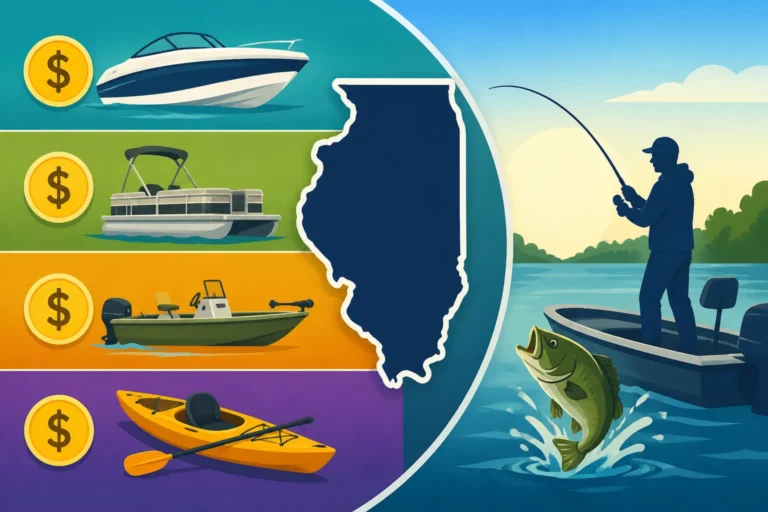
Let's face it, buying a boat isn't a small decision for most of us. The initial purchase price is just the beginning of your financial commitment. You need to factor in the cost of the boat itself, the motor (often sold separately or as a package), and a reliable trailer. Beyond that, don't forget the hidden costs that can quickly add up: sales tax, registration fees, and potential financing interest. You'll want to review the various Illinois boat registration fees by boat class to understand the ongoing costs.
But the spending doesn't stop there! Think about ongoing maintenance: fuel, oil, winterization, routine service, and unexpected repairs. Storage is another big one—do you have space at home, or will you need to pay for a marina slip or a storage unit? Then there's insurance, which is absolutely essential for peace of mind. A smaller jon boat or kayak will have significantly lower upkeep costs than a large fiberglass bass boat with a high-horsepower outboard. Be realistic about your budget for both the upfront investment and the long-term running costs; it's better to start with a boat you can comfortably afford to maintain than one that becomes a financial burden.
Primary Target Species and Fishing Style
What kind of fish truly gets your heart pumping, and how do you like to catch them? Your preferred target species and fishing style are huge determinants in boat choice. If you're a serious bass angler, constantly running and gunning, flipping docks, or throwing big swimbaits, then a dedicated bass boat makes a lot of sense. These boats are designed for speed, stability at rest for casting, and specialized storage for a multitude of rods and tackle. Best Bass Fishing Lakes in Illinois often have these boats dotting the surface.
If you're more into trolling for crappie or walleye on a big lake like Shelbyville or Carlyle, a deep-V aluminum boat or even a multi-species fiberglass boat might be more appropriate. These boats handle chop better for sustained trolling, offer more interior space, and can be rigged with multiple rod holders. For the dedicated catfish angler hitting the Mississippi, a sturdy, open jon boat with plenty of deck space for large coolers and bait buckets could be perfect. And for the casual panfish enthusiast, or someone taking the kids out for their first bluegill, a small utility boat or even a fishing kayak offers simplicity and accessibility. Consider how you fish: do you stand and cast, sit and soak bait, or troll long distances? Each style has a boat type that caters to it best.
Transport and Storage Considerations
This is where a lot of anglers get tripped up. A boat is only as good as your ability to get it to the water and store it safely afterward. First, consider your tow vehicle. Can it safely haul the weight of the boat, motor, and trailer? A 20-foot fiberglass bass boat weighs a lot more than an 18-foot aluminum jon boat. Then there's the trailer itself—do you have adequate parking space at home, or will you need to rent a storage spot? Marina slips are great for convenience, but they come at a cost.
Think about the ease of launching and retrieving. Will you always have access to wide, paved ramps, or will you sometimes be using unimproved access points? A smaller, lighter boat on a simple bunk trailer is much easier to manage solo or at tricky launches. Larger boats can be a handful, especially on windy days or at busy ramps. For urban anglers near Chicago, space is often at a premium, making a compact jon boat or even a fishing kayak an incredibly appealing option because they can be stored in a garage, on a side yard, or even transported on a roof rack. The boat's size impacts not just fishing comfort, but your entire logistical operation around it.
Popular Boat Types for Illinois Anglers
Now that we've covered the crucial groundwork, let's dive into the types of boats you'll commonly see gracing the waters of Illinois. Each has its strengths and weaknesses, making it more or less suited for particular fishing adventures and angler preferences. It's about matching the tool to the task, not just buying the flashiest option.
Bass Boats: Speed and Specialized Features
Ah, the bass boat – the sleek, powerful symbol of competitive bass fishing. If your heart beats for largemouth and smallmouth, especially in tournaments or during serious recreational pursuit, a bass boat is designed with you in mind. These boats are built for speed, allowing anglers to cover large stretches of water quickly, moving from one prime fishing spot to another with efficiency, crucial on expansive lakes like Rend Lake or Lake Shelbyville. The powerful outboards on these vessels mean less travel time and more fishing time.
Beyond speed, bass boats are fishing machines from top to bottom. They feature large, stable casting decks, both bow and stern, perfect for standing and working baits with precision. Storage is highly specialized, with numerous compartments designed to hold dozens of rods securely, tackle boxes for every scenario, and coolers. The livewells are typically aerated and designed to keep tournament-caught fish healthy. While they excel at bass fishing, their low freeboard can make them less comfortable in rough, choppy conditions, and their specialized design isn't always ideal for other types of fishing or family recreation.
Aluminum Jon Boats: Versatility and Durability
The humble aluminum jon boat is arguably the workhorse of Illinois fishing. These flat-bottomed boats are incredibly versatile, durable, and generally much more affordable than their fiberglass counterparts. Their simple design makes them perfect for a wide range of Illinois waters, from shallow rivers and backwater sloughs to smaller lakes and even larger reservoirs on calm days. Their shallow draft means you can get into skinny water where other boats can't, perfect for exploring hidden pockets where crappie and bass often hide.
Jon boats are typically very stable at rest, making them great platforms for bank fishing from the boat or for setting up trotlines for catfish on the Mississippi River. They're also relatively lightweight, making them easier to launch and retrieve, even at unimproved ramps. You'll see everything from small, unpowered johnboats that are paddled or have a small trolling motor, to larger, decked-out versions with powerful outboards, trolling motors, and even fish finders. While they can be a bit bumpy in chop due to their flat bottom, their ruggedness and adaptability make them a fantastic choice for many Illinois anglers seeking a practical, no-frills fishing machine.
Deep-V Boats: Conquering Big Water
When it comes to tackling the vastness and potential chop of Illinois' larger lakes – think Lake Michigan, Carlyle Lake, or even the main channels of the Mississippi River – a deep-V hull boat truly shines. Unlike flat-bottomed boats, the V-shaped hull cuts through waves rather than bouncing over them, providing a much smoother, drier, and more comfortable ride, especially when the wind kicks up. This design makes them ideal for trolling long distances for walleye, salmon, or trout, as they maintain better tracking and stability in rougher conditions.
Deep-V boats, often made of aluminum or fiberglass, offer a higher freeboard, providing more protection from spray and a greater sense of security for passengers, particularly when fishing with family or in open water. They typically have more interior space than bass boats, allowing for a more open layout, more seating, and versatile rod storage. While they might not offer the same casting deck space as a dedicated bass boat, many modern deep-V models are designed as multi-species boats, incorporating features like bow-mounted trolling motors and casting platforms that cater to a variety of fishing styles. They are a solid choice for anglers who prioritize safety, comfort, and the ability to fish a wide range of conditions on Illinois' larger water bodies.
Specialized Options for Specific Needs
While bass boats, jon boats, and deep-Vs cover a lot of ground, there are several other fantastic boat types that cater to more specialized fishing needs or preferences in Illinois. These options often prioritize stealth, accessibility, or comfort for specific types of outings.
Pontoon Boats: Family Fun and Fishing Combo
Pontoon boats have exploded in popularity, and for good reason: they are the ultimate party barge and surprisingly capable fishing platform rolled into one. If your fishing trips often include the whole family, a group of friends, or if you simply prioritize comfort and space, a pontoon boat is hard to beat. Their wide, flat decks offer incredible stability, making them perfect for kids or anyone who appreciates solid footing. You can fit multiple coolers, chairs, and all the gear you need without feeling cramped.
Many modern pontoon boats come with fishing-specific layouts, including swivel chairs, livewells, rod holders, and even dedicated tackle storage. They are fantastic for leisurely crappie fishing, soaking bait for catfish, or just drifting and relaxing on a calm day. While they won't win any speed races and aren't ideal for navigating super shallow backwaters, their stability and sheer capacity make them an excellent choice for a blend of recreation and fishing on Illinois lakes like Clinton Lake or Lake of Egypt. It's about creating memories with loved ones, with fishing as a fantastic bonus.
Fishing Kayaks: Stealth and Accessibility
For the angler who values stealth, accessibility, and a closer connection to the water, fishing kayaks are a game-changer, especially on Illinois' smaller lakes, ponds, and quiet river stretches. These low-profile vessels allow you to slip into tight coves, shallow flats, and areas choked with lily pads where larger boats simply can't go. This opens up incredible opportunities for sight fishing for bass or targeting panfish in undisturbed waters. You can learn more about Kayak Fishing Gear for Illinois Waters.
Modern fishing kayaks are a far cry from basic recreational models. They feature stable hulls (often sit-on-top designs), comfortable seats, rod holders, gear tracks for mounting electronics, and ample storage for tackle and small coolers. Many are even pedal-driven, freeing up your hands for casting and allowing for precise boat positioning, which is a huge advantage when working a shoreline. They are generally much more affordable than motorized boats, easier to store, and can be transported on the roof of almost any car. While they limit how much gear you can bring and are susceptible to wind and current, the freedom and intimate fishing experience they offer are truly unique.
Utility Boats and Skiffs: Simplicity and Adaptability
Sometimes, less is more. Utility boats and skiffs embody this philosophy, offering a stripped-down, highly adaptable platform for a variety of fishing pursuits. Often aluminum and ranging from small, open hulls to slightly larger, tiller-steered models, these boats prioritize simplicity, durability, and ease of use. They are perfect for anglers who don't need all the bells and whistles but want a reliable way to get on the water.
These boats are fantastic for accessing smaller lakes with limited ramp facilities, exploring hidden creeks, or simply having a versatile vessel for general lake use. They can be rigged out for specific purposes—add a bow-mounted trolling motor for bass, a few rod holders for crappie, or use them as a simple ferry to get to prime bank fishing spots. Their lightweight nature makes them easy to tow, launch, and retrieve, often solo. While they might not offer the comfort or features of more specialized boats, their low cost, low maintenance, and sheer adaptability make them an excellent choice for budget-conscious anglers or those who need a multi-purpose workhorse for varied Illinois fishing trips.
Essential Features and Customizations
Once you have a boat type in mind, it's time to think about the features and customizations that will transform it from a basic hull into your ultimate fishing machine. These are the elements that enhance your fishing experience, making you more efficient, more comfortable, and ultimately, more successful on Illinois waters.
Electronics: Fish Finders and GPS
In today's fishing world, electronics are almost as essential as a rod and reel. A good fish finder is your window into the underwater world, helping you locate structure, identify fish schools, and understand depth contours. For lakes like Rend Lake or Lake Shelbyville, a high-quality unit with side-imaging or down-imaging can be a game-changer, revealing hidden brush piles or ledges where fish are holding. Even on smaller ponds, a basic unit can help you find those deeper holes or submerged timber.
GPS capabilities, often integrated into modern fish finders, are invaluable for navigation, especially on large, featureless lakes or complex river systems like the Mississippi. You can mark waypoints for productive fishing spots, dangerous hazards, or even your favorite boat ramp. This not only makes you a more efficient angler but also enhances safety, ensuring you can always find your way back, even in fog or darkness. Brands like Humminbird and Lowrance offer a range of units that can be purchased from retailers like Bass Pro Shops or online through Amazon.
Motors: Outboard, Trolling, and Power Poles
The propulsion system of your boat is critical. For primary power, outboard motors are the standard for most fishing boats in Illinois, providing the speed and power to get you across vast lakes or upriver against current. The horsepower you need depends on the size and weight of your boat and how quickly you want to travel.
Then there are trolling motors, which are often the true unsung heroes of fishing. A bow-mounted electric trolling motor with GPS-controlled spot-lock features is an incredible asset for precise boat positioning, whether you're holding over a brush pile for crappie, slowly working a bass-filled shoreline, or drifting for walleye. These allow for hands-free boat control, letting you focus entirely on fishing.
Finally, for shallow water specialists, power poles or shallow water anchors provide instant, silent boat stabilization by deploying a spike into the lakebed. This is perfect for holding your position in shallow coves or along lily pad lines for sight fishing without spooking fish, giving you an advantage in many Illinois backwaters.
Storage and Livewells
A truly effective fishing boat has well-thought-out storage. You need secure places for your rods, tackle boxes, safety gear, anchor, and personal items. Rod lockers keep your valuable rods protected from damage during transport and when running at high speeds. Dry storage compartments are essential for keeping electronics, wallets, and other sensitive items safe from spray and rain. For a serious angler, having dedicated spaces for different lure types or specialized tools makes a huge difference in efficiency on the water.
Livewells are a non-negotiable feature for many anglers, especially those who practice catch-and-release or participate in tournaments. A well-designed livewell keeps your fish healthy and alive by circulating fresh, aerated water. This is crucial for fish survival and for meeting any regulations regarding the transport of live fish. Modern livewells often have timers, recirculation systems, and oxygenation features to minimize stress on the fish, ensuring they remain in top condition until release or transfer.
Navigating the Purchase Process
So, you've done your homework, figured out your ideal boat type, and considered the essential features. Now comes the exciting (and sometimes daunting) part: actually buying the boat. This process can be smooth or fraught with pitfalls, so knowing what to look for and where to buy is key.
New vs. Used: What to Consider
This is often the first major decision in the purchase journey. Buying a new boat offers the peace of mind of a full manufacturer's warranty, the latest technology, and the ability to customize it exactly to your specifications. You know its history (or lack thereof), and it often comes with dealer support and service packages. The downside, of course, is the higher price tag and the immediate depreciation once it leaves the lot.
A used boat, on the other hand, can offer significant savings, allowing you to get a larger or more feature-rich boat for your budget. However, buying used comes with risks. You'll need to thoroughly inspect the hull for damage, check the motor's compression and overall condition, and scrutinize the trailer. A pre-purchase inspection by a qualified marine mechanic is highly recommended. Look for red flags like mismatched paint, signs of collision, or poorly maintained engines. Websites like Facebook Marketplace or Craigslist can have great deals, but always proceed with caution. Many reputable dealers, like Bass Pro Shops, also carry certified pre-owned boats, which can offer a good balance of value and peace of mind.
Finding Reputable Dealers and Sellers
Whether new or used, where you buy your boat matters immensely. For new boats, stick with authorized dealers who have a solid reputation for sales and service. They can help you with financing, warranty claims, and ongoing maintenance. Ask around for recommendations from other local anglers, or check online reviews. A good dealer will not just sell you a boat, but also guide you through the initial setup, provide instruction, and be there for support down the line.
For used boats, if you're buying from a private seller, trust your gut. Meet in a public place, insist on seeing the boat start and run on the water (if possible), and don't be afraid to ask for maintenance records. Be wary of sellers who pressure you, refuse inspections, or have vague answers about the boat's history. If buying from a used boat dealer, inquire about their reconditioning process and any limited warranties they might offer. A reputable seller, whether private or commercial, will be transparent and willing to provide all the information you need to make an informed decision.
Financing and Insurance Essentials
Unless you're paying cash, financing will be a major part of your boat purchase. Marine financing is similar to auto loans but can have different terms and interest rates. Shop around at banks, credit unions, and marine lenders to find the best rates. Dealers often have relationships with lenders and can facilitate the process, but always compare their offers to what you might find independently. Understand the total cost, including interest, over the life of the loan.
Insurance is absolutely non-negotiable for boat ownership, especially in Illinois. It protects your investment against damage, theft, and liability in case of an accident. Most lenders will require comprehensive and collision coverage. Beyond that, consider additional coverage like uninsured boater coverage, wreckage removal, and towing assistance. Policies can vary widely in cost depending on the boat's value, horsepower, where it's stored, and your boating history. Get multiple quotes and understand what your policy covers before you hit the water. It's not just about protecting your wallet; it's about protecting yourself and others. You'll also want to make sure you're up to date on Illinois Boat Registration Requirements Explained and the associated fees.
Boat Maintenance and Safety for Longevity
Owning a fishing boat in Illinois is an investment, not just of money, but of time and passion. To ensure that investment lasts and provides countless hours of enjoyment, proper maintenance and a steadfast commitment to safety are absolutely paramount. Skimping on either can lead to costly repairs, ruined trips, or, worst of all, dangerous situations.
Routine Care for Your Investment
Think of your boat as an extension of your home; it needs regular cleaning and upkeep. After every trip, a quick rinse-down with fresh water, especially if you've been in murky river water or exposed to the elements, helps prevent corrosion and grime buildup. Regularly inspect the hull for dings, scratches, or more serious damage that could compromise its integrity. Check your prop for bent blades or fishing line entanglement. For more in-depth care, a waxing every season can protect the gel coat on fiberglass boats, while a good scrub prevents algae growth on aluminum hulls.
The engine, of course, is the heart of your boat. Follow the manufacturer's recommended service schedule religiously. This usually involves regular oil changes, fuel filter replacements, spark plug checks, and lower unit gear oil inspections. Winterization is crucial in Illinois' climate; properly draining systems and protecting the engine from freezing temperatures will save you a world of headaches in the spring. Small, consistent efforts in maintenance will significantly extend your boat's lifespan and reliability.
Essential Safety Gear Onboard
Safety on the water is not just good practice; it's the law. Every boat in Illinois must carry specific safety equipment. The most fundamental are life jackets, or Personal Flotation Devices (PFDs). You must have one Coast Guard-approved PFD for every person on board, and children under a certain age are typically required to wear one while the boat is underway. These rules are outlined in Illinois Life Jacket and PFD Rules. Beyond PFDs, you'll need a Type IV throwable device, a sound-producing device (like a horn or whistle), navigation lights if operating after sunset, and a fire extinguisher.
But legal requirements are just the starting point. Smart anglers carry additional items: a first-aid kit, a spare prop and prop wrench, tools for minor repairs, a bailing device (bucket or pump), a fully charged cell phone, and ideally, a marine radio for emergency communication. Always check the weather forecast before heading out, and let someone on shore know your float plan – where you're going and when you expect to return. A well-prepared boater is a safe boater, and being safe means more days enjoying Illinois fishing. Consider reviewing the full Illinois Boating Safety Gear Checklist before your next trip.
Trailering and Launching Best Practices
Getting your boat to and from the water safely and efficiently is a skill that comes with practice, but some best practices can make it much smoother. Before leaving home, always do a pre-trip inspection: check tire pressure on your trailer and tow vehicle, ensure trailer lights are working, and confirm that your boat is securely strapped down. When backing down a ramp, take it slow, make small adjustments, and use your mirrors. If you're new to trailering, practice in an empty parking lot first.
At the ramp, be courteous and efficient. Prepare your boat before backing down – remove tie-downs, load gear, raise your motor, and have your lines ready. Once launched, move your boat away from the ramp quickly to allow others access. When retrieving, have your tow vehicle ready, load the boat onto the trailer smoothly, and then move off the ramp to finish securing it. Never block the ramp for extended periods. Knowing how to properly launch and retrieve your specific boat and trailer setup will make every trip less stressful and more enjoyable for everyone at the boat launch.
Disclaimer
This article is for general informational purposes only and does not constitute professional advice. Laws, prices and regulations vary by location and change over time. Consult a qualified professional for guidance on your specific situation.