Illinois Nonresident Fishing License Guide
Planning a fishing trip to a new state can be exciting, but the paperwork and regulations often feel like wading through thick mud. If you're an out-of-state angler dreaming of casting a line in Illinois's diverse waters, from the mighty Mississippi to serene Rend Lake, figuring out the specific nonresident fishing license requirements can be a real headache. This comprehensive guide is here to untangle all that confusion, detailing everything you need to know to get your Illinois nonresident fishing license and enjoy a hassle-free angling adventure.
Understanding Why a Nonresident License is Necessary
It can be a bit frustrating when you travel to another state, ready to enjoy some fishing, only to find out you need yet another license. Many anglers wonder why a license from their home state isn't sufficient, especially if they're only visiting for a short period. The truth is, fishing licenses are a critical component of wildlife and fisheries management, and each state has its own system to fund these vital conservation efforts. Illinois is no different, and understanding the logic behind these requirements can help temper some of that initial frustration.
The Residency Rules in Illinois
The Illinois Department of Natural Resources (IDNR) has clear definitions for what constitutes a "resident" versus a "nonresident" when it comes to fishing licenses. Generally, to be considered an Illinois resident, you must have resided in the state for at least 30 consecutive days immediately prior to applying for a license. This isn't just about owning property here; it's about establishing a physical presence. For example, if you own a cabin in southern Illinois but your primary residence and driver's license are in Missouri, you'll still be classified as a nonresident. This distinction is crucial because the pricing and types of licenses available differ significantly between residents and nonresidents. It ensures that those who contribute to the state's tax base through long-term residency receive different rates than those who are passing through, even if they frequently visit.
Why Illinois Requires Separate Licenses
The primary reason Illinois, like most other states, requires separate fishing licenses for nonresidents boils down to resource management and funding. The fees collected from license sales directly support the IDNR's efforts in stocking fish, conducting population surveys, maintaining public access sites, enforcing regulations, and conserving aquatic habitats across the state. Nonresidents often don't contribute to Illinois's state taxes that also support these programs, so their license fees help balance the impact their fishing activities have on the local ecosystems. Think of it as a fair way to share the responsibility of keeping Illinois's fisheries healthy and thriving for everyone to enjoy. Without these dedicated funds, the quality of fishing experiences would undoubtedly decline, impacting both residents and visitors alike. It's a system designed to ensure sustainability for future generations of anglers.
Penalties for Fishing Without a Valid Nonresident License
I know, it sounds like a lecture, but this really is important. It's easy to forget or overlook a regulation, but fishing without the proper license in Illinois can lead to some pretty significant headaches and fines that will quickly sour your trip. If a conservation police officer (CPO) checks your license and you don't have a valid Illinois nonresident fishing license, you could face penalties for fishing without a license in Illinois. These penalties typically involve a hefty fine, and in some cases, your fishing gear could even be confiscated. It’s not just about forgetting your paper copy; even if you purchased one but don't have proof, you could still be cited. The officers are out there doing their job to protect the state's natural resources, and they take these regulations seriously. The fines can range from hundreds of dollars for a first offense, escalating for repeat violations. It’s just not worth the risk. Always make sure your license is current and easily accessible, whether that's a physical copy or a digital one on your phone.
Types of Nonresident Fishing Licenses Available
Illinois offers a variety of fishing licenses tailored to different needs, which is great because it means you don't have to buy a full annual license if you're only visiting for a weekend. Knowing the different options available can save you money and ensure you're compliant with the law, whether you're planning an extended vacation or just a quick stop to drop a line.
Annual Nonresident Fishing License
For those who plan to visit Illinois multiple times throughout the year, or for an extended period, the annual nonresident fishing license is usually the most cost-effective option. This license is valid from March 1st through the last day of February of the following year, aligning with the Illinois license year. It covers all public waters in Illinois, including Lake Michigan, the Mississippi River, and countless inland lakes and rivers, provided you also acquire any necessary stamps. This is the all-access pass for out-of-state anglers who have a deep appreciation for Illinois's diverse fishing opportunities. If you're going to spend more than a few scattered days fishing over a year, this license will quickly pay for itself compared to buying multiple short-term options. For a full breakdown, check out the article on Illinois Nonresident Annual Fishing License Cost.
Short-Term Nonresident License Options 3-Day and 24-Hour
Sometimes, you just want to pop over the border for a quick fishing trip or maybe you're passing through Illinois on a road trip and want to wet a line for a day. Illinois understands this, which is why they offer convenient short-term nonresident license options.
The Illinois nonresident 3-day fishing license is perfect for a long weekend trip. It gives you three consecutive days of fishing access, which is usually plenty for a focused angling excursion to one of our fantastic lakes like Rend Lake or Lake Shelbyville. This option is incredibly popular with visitors who live in neighboring states and want to experience some of Illinois's renowned fisheries without committing to an annual license. The cost is significantly less than the annual option, making it a budget-friendly choice for a short visit. You can find detailed pricing for this option in our guide, Illinois Nonresident 3-Day Fishing License Cost.
For the most flexible and brief visit, there's also the nonresident 24-hour fishing license. This license is ideal if you're truly only planning a single day of fishing, maybe hitting a specific spot on the Mississippi River or trying your luck for crappie on a local pond. It's perfect for a quick stop, giving you 24 hours from the time of purchase to enjoy Illinois's waters. It's the cheapest Illinois fishing license option for a two-day trip, and provides incredible flexibility. This option is particularly convenient for those spontaneous trips, allowing you to decide on a whim to spend a day fishing. You can easily purchase it online or at a local vendor, making spur-of-the-moment plans a breeze. Details on its pricing can be found in Nonresident 24-Hour Fishing License Cost.
Combination Hunting and Fishing Licenses
For those outdoor enthusiasts who enjoy both hunting and fishing, Illinois offers a combined license option. This combined license covers both activities for nonresidents, often at a slightly reduced rate compared to purchasing both licenses separately. It's a great convenience, streamlining your outdoor pursuits into one permit. However, it's important to remember that even with a combined license, you'll still need to acquire specific stamps or permits for certain activities, such as deer hunting or fishing for trout and salmon in designated waters. This combined license is particularly attractive for nonresidents planning extensive trips that include pursuing multiple types of game and fish throughout the year. It simplifies the administrative side of things, allowing you to focus more on enjoying your time in the great outdoors.
Illinois Nonresident Fishing License Costs
Let's be real, price matters. Nobody wants to be surprised by hidden fees or discover they could have saved money by choosing a different license type. Nonresident licenses in Illinois typically cost more than resident licenses, and understanding this breakdown helps you budget for your trip accurately. It's just a reality that out-of-state visitors often pay a premium, but it's all part of supporting the state's valuable conservation efforts.
Annual Nonresident License Fees
The annual nonresident fishing license is the most expensive single option, but as mentioned, it often offers the best value for frequent visitors. The cost for a full year of nonresident fishing access is a fair investment into Illinois's fisheries. This fee covers all general fishing for the entire license year, from March 1st to the end of February. It's significantly higher than what Illinois residents pay, reflecting the difference in how each group contributes to the state's conservation funding. For example, an Illinois resident annual fishing license cost is currently around $15.00, whereas a nonresident will pay considerably more for their annual license, often more than double. This difference underscores why a nonresident pays more than double an Illinois resident. Always double-check the current fees on the IDNR website or when purchasing, as they can change periodically.
Breakdown of Short-Term Nonresident License Prices
If you're only visiting for a limited time, the short-term licenses are designed to be more affordable upfront.
- 3-Day Nonresident License: This option is priced to be attractive for those long weekend trips. It offers a good balance between cost and duration for visitors. If you're looking at what a visiting angler pays for a long weekend of Illinois fishing, this is your go-to.
- 24-Hour Nonresident License: This is the most economical choice for the briefest visits. It allows you to fish for a full 24-hour period from the time of purchase. While it might seem expensive per day compared to the annual pass, it's perfect for a spontaneous stop or a single day of focused fishing. It’s literally paying for just one day of fishing in Illinois.
Here's a simplified table comparing approximate current costs (always verify current rates with IDNR):
| License Type | Residency | Approximate Cost (USD) | Validity Period |
|---|---|---|---|
| Annual Fishing License | Resident | $15.00 | March 1 – Feb 28/29 (following year) |
| Annual Fishing License | Nonresident | $31.50 | March 1 – Feb 28/29 (following year) |
| 3-Day Fishing License | Nonresident | $15.50 | 3 consecutive days from date of choice |
| 24-Hour Fishing License | Nonresident | $5.50 | 24 hours from time of purchase |
| Senior Annual Fishing (65-74) | Resident | $7.75 | March 1 – Feb 28/29 (following year) |
| Super Senior Annual Fishing (75+) | Resident | $1.00 | March 1 – Feb 28/29 (following year) |
This table helps illustrate the significant difference in Illinois fishing license costs for out-of-state anglers compared to residents.
Understanding Additional Stamp Requirements Trout/Salmon
Beyond your basic fishing license, Illinois has extra stamp fees on top of an Illinois fishing license for specific species in certain waters. If your fishing plans include chasing trout in one of the state's regularly stocked lakes or streams, or targeting salmon and trout in Lake Michigan, you'll need to purchase additional stamps.
- Inland Trout Stamp: This is required if you intend to fish for rainbow trout in waters stocked by the IDNR. These waters are often cold-water lakes or streams, and the stamp helps fund the stocking programs that maintain these popular fisheries. It’s a small fee, but skipping it can lead to a fine, even if you have a valid fishing license. You'll need the Inland Trout Stamp requirements if you plan to fish for these.
- Lake Michigan Salmon Stamp: If you're heading to the big lake with dreams of Coho or Chinook salmon, or even lake trout, this stamp is mandatory. What anglers pay extra to fish for salmon on Lake Michigan in Illinois helps support the ongoing efforts to manage and stock these prized game fish in the Illinois portion of Lake Michigan. It's easy to add these stamps when you purchase your main fishing license, whether online or in person. Don't forget to ask about them if your plans include these specific fisheries.
Where and How to Purchase Your Nonresident License
Getting your Illinois nonresident fishing license is pretty straightforward once you know your options. The IDNR has made it relatively easy to acquire the necessary permits, whether you prefer the convenience of online shopping or the traditional experience of a local bait shop.
Online Purchase Through the Illinois DNR Website
For many, the easiest and quickest way to get an Illinois fishing license is online. The official Illinois Department of Natural Resources (IDNR) website offers a secure portal where you can purchase all types of fishing licenses and stamps. This method is particularly convenient for nonresidents planning their trip in advance. You can access the site 24/7, select your desired license type (annual, 3-day, or 24-hour), pay with a credit card, and then either print your license immediately or save a digital copy to your phone. It's really that simple. Just make sure you have your personal identification information handy, as you’ll need to input details like your name, address, date of birth, and driver’s license number. This digital process means no waiting in line and ensures you have your license before you even set foot in Illinois. For a full guide, check out How to Buy an Illinois Fishing License Online.
In-Person Retail Locations
If you're more of a traditionalist or simply prefer to handle things in person, you have plenty of options. Illinois fishing licenses are available at hundreds of authorized vendors across the state. These typically include:
- Sporting Goods Stores: Big box stores like Bass Pro Shops or smaller, local sporting goods stores often have a dedicated counter for license sales. They can also offer advice on local conditions and what's biting.
- Bait and Tackle Shops: These are often the best places, as the staff are usually avid anglers themselves and can provide invaluable local knowledge. Buying an Illinois fishing license at a local bait shop also supports small businesses.
- Department Stores: Some larger department stores or retail chains that carry outdoor equipment may also sell licenses.
When purchasing in person, you'll need to provide similar identification information as you would online. The staff will process your request, and you'll walk away with a physical license. It’s a great way to pick up some local bait or lures and get firsthand reports on fishing conditions. Just remember that stores typically operate during business hours, so plan accordingly.
Necessary Information and Documents for Purchase
Regardless of whether you purchase online or in person, you'll need to have some basic information ready. For nonresidents, this usually includes:
- Full Legal Name: As it appears on your official identification.
- Current Address: Your primary residence outside of Illinois.
- Date of Birth: To verify age requirements and license eligibility.
- Driver's License or State ID Number: This is your primary form of identification for licensing purposes.
- Social Security Number (SSN): Required by federal law for recreational licenses to ensure compliance with child support enforcement programs.
Having these documents readily available will make the purchase process smooth and quick. It’s always a good idea to carry a physical or digital copy of your license while fishing, as CPOs can check your fishing license on the water. Many anglers opt for the convenience of carrying digital proof of your fishing license on your phone, but a laminated physical copy is always a good backup, especially if you're out of cell service.
Reciprocity Agreements with Bordering States
One of the most confusing aspects of fishing for many nonresidents is understanding where state lines fall on shared waters. Illinois shares significant waterways with several neighboring states, and thankfully, there are often reciprocity agreements in place to simplify things for anglers. These agreements mean that a license from one state might be valid in certain shared boundary waters, eliminating the need to buy two licenses.
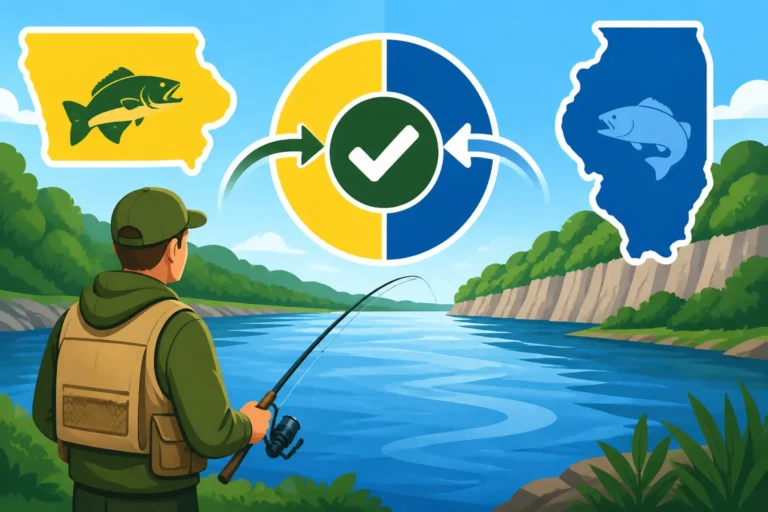
Fishing the Mississippi River Illinois, Iowa, and Missouri
The mighty Mississippi River forms the western border of Illinois, creating a vast and popular fishing ground that it shares with both Iowa and Missouri. This is where reciprocity truly shines.
- Illinois and Iowa: If you possess a valid fishing license from either Illinois or Iowa, you are generally allowed to fish in the waters of the Mississippi River that form the boundary between the two states. This typically includes the main channel, any backwaters, and sloughs that are connected to the main channel. So, if you're an Iowa resident with an Iowa license, you can fish the Illinois side of the Mississippi without needing an Illinois license, and vice-versa for Illinois residents. This agreement is a huge convenience for anglers on both sides of the river. For specifics, you can refer to Illinois Fishing License Reciprocity With Iowa.
- Illinois and Missouri: A similar agreement exists for the Illinois and Missouri shared water fishing license rules along their shared stretch of the Mississippi River. A valid fishing license from either state is usually recognized for fishing in the boundary waters of the Mississippi River. This means anglers can freely move across the river without worrying about crossing an invisible licensing line. However, always be aware that these reciprocity agreements generally apply only to the main stem of the river and its immediately adjacent backwaters. They do not extend to tributaries or inland lakes within either state. Always check the latest regulations, as specific rules can sometimes vary or be updated.
Wabash River Rules with Indiana
The Wabash River flows along the southeastern border of Illinois, separating it from Indiana. For anglers looking to fish this scenic river, there's good news regarding reciprocity. If you have a valid fishing license from either Illinois or Indiana, you are typically authorized to fish the boundary waters of the Wabash River. This means that an Indiana resident with an Indiana license can fish the Illinois side of the Wabash, and an Illinois resident can fish the Indiana side, within the defined boundary waters. This makes fishing the Wabash River with an Indiana license or an Illinois license much simpler, preventing the need for dual licensing when staying within the shared river boundaries. As with the Mississippi, this reciprocity usually doesn't extend into inland waters or tributaries that are entirely within one state.
Ohio River Boundaries with Kentucky
Further south, the Ohio River forms the boundary between Illinois and Kentucky. For those looking to fish this stretch of water, similar reciprocity agreements apply. If you hold a valid fishing license from Illinois or Kentucky, you can generally fish the shared boundary waters of the Ohio River. This means crossing between Illinois and Kentucky to fish the same water is often straightforward from a licensing perspective. This is a great benefit for anglers who frequent the lower Ohio, offering access to its diverse fish populations without the hassle of purchasing multiple state licenses for the river itself. Always double-check the specifics of these agreements, especially concerning any exemptions or conditions, with the IDNR or Kentucky Department of Fish and Wildlife Resources before heading out.
Special Considerations for Nonresident Anglers
While the general rules cover most situations, there are a few unique circumstances and opportunities that nonresident anglers should be aware of, like special fishing events or how youth regulations apply. These can impact your trip planning and potentially save you money or enhance your experience.
Free Fishing Days for Nonresidents
Illinois hosts annual free fishing days where everyone, including nonresidents, can fish without a license. This is a fantastic opportunity, especially if you're considering a fishing trip but are unsure if you want to commit to a full license. The Illinois Free Fishing Days and License-Free Weekends are usually held over a specific period, often coinciding with Father's Day weekend in June. During these days, the requirement for a fishing license and an inland trout stamp is waived for all individuals, regardless of age or residency. This means that a nonresident can fish for free in Illinois for four days every June.
It’s an excellent chance for families to introduce kids to fishing or for visitors to simply enjoy the experience without the cost of a license. You can fish almost any public water during these days. Check the official IDNR calendar for the exact dates each year, like the Illinois Free Fishing Days 2026 Dates. These days are incredibly popular and can sometimes mean more crowded access points, so plan accordingly.
Tournament Fishing Rules for Out-of-State Anglers
If you're an out-of-state angler considering participating in a fishing tournament in Illinois, there are a few extra things to keep in mind. First and foremost, Illinois tournament angler license rules dictate that even for competitive events, you still need a valid Illinois fishing license (or relevant reciprocity, if applicable on boundary waters). A tournament permit does not negate the need for a personal fishing license. Beyond your personal license, the tournament itself might require a special permit from the IDNR, particularly if it's a large event or involves prize money. The organizers of the tournament are usually responsible for securing these permits.
Nonresident anglers often face the same regulations as residents regarding catch limits, size restrictions, and species-specific rules during tournaments, although some tournaments may have specific weigh-in rules or exceptions regarding catch and release. Always familiarize yourself with both the statewide fishing regulations and the specific rules of the tournament you are entering. Ensure you understand the Illinois bass tournament rules for nonresident anglers, especially regarding species-specific regulations and fish handling during the competition.
Rules for Children and Minors
Fishing is a wonderful activity to share with younger generations, and Illinois has thoughtful rules regarding children and minors. In Illinois, residents and nonresidents alike who are under the age of 16 are not required to have a fishing license. This means that if you're bringing your kids or grandkids from out of state, they can enjoy fishing in Illinois without the need for a nonresident license as long as they are under 16. It's a fantastic way to encourage young anglers and make family trips more accessible.
However, while they don't need a license, they are still subject to all other fishing regulations, including catch limits, size restrictions, and specific site rules. It's the supervising adult's responsibility to ensure that minors are aware of and adhere to these rules. So, feel free to take kids fishing in Illinois without buying a license for them, just make sure they're following all the other important guidelines. You can read more about Illinois Fishing License Rules for Children for detailed information.
Essential Regulations Beyond Just the License
Getting your license is a crucial first step, but it's far from the only rule you need to know. Illinois has a comprehensive set of fishing regulations designed to protect its fisheries and ensure sustainable angling for everyone. As a nonresident, it's particularly important to be informed, as ignorance of the law is not an excuse for violations.
Statewide vs. Site-Specific Regulations
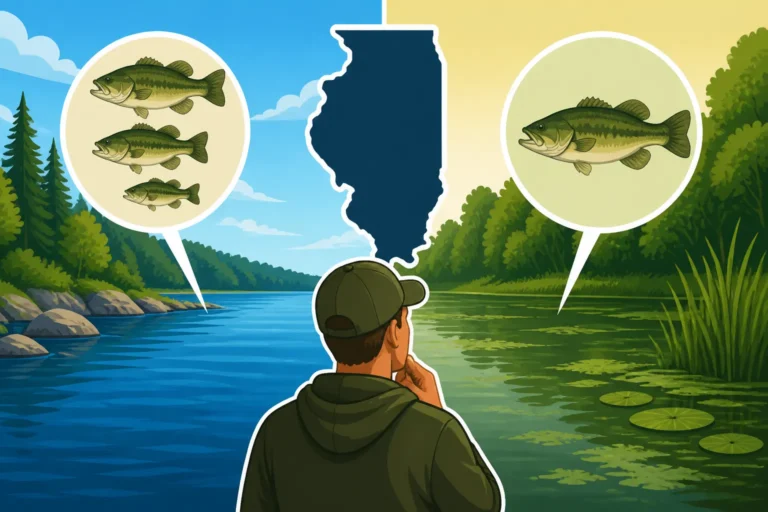
This is where things can get a little tricky, but it's vital to understand. Illinois has a set of statewide fishing regulations that apply to most public waters. These cover general catch limits and size restrictions for common species like bass, walleye, catfish, and crappie. However, many lakes, rivers, and even specific sections of water bodies have site-specific regulations that supersede the statewide rules. This is why fishing rules vary by lake and river.
For instance, while the statewide bass daily catch limit of six fish is common, a specific lake might have a slot limit for bass, meaning you can only keep fish within a certain size range, or it might be catch-and-release only during certain periods. Similarly, a particular river section might have a different walleye minimum size limit of 14 inches compared to other areas. It's absolutely critical to check the site-specific rules before fishing an Illinois lake or river. The IDNR's annual fishing information guide is your best friend here, and many boat ramps and public access points will have signs detailing the local rules. Failing to check these site-specific rules is a common mistake and can lead to unintended violations.
Catch and Size Limits for Popular Species
Understanding catch and size limits is fundamental to responsible angling and avoiding penalties for exceeding your daily catch limit. These limits are in place to ensure fish populations remain healthy and can reproduce successfully.
- Bass (Largemouth, Smallmouth, Spotted): As mentioned, the statewide daily limit for black bass (largemouth, smallmouth, spotted) is generally six fish. While there might not be a minimum size for largemouth bass in Illinois waters statewide, specific lakes often implement their own length limits to promote trophy fisheries. Always check the site-specific regulations. For smallmouth bass, especially in rivers, there might be specific guidelines as well.
- Walleye: Illinois walleye minimum size limit of 14 inches is a common rule across many waters, with a daily limit often set at six fish. However, some lakes might have exceptions, such as a protected slot limit or even a trophy walleye exception on some Illinois waters allowing you to keep one larger fish. You definitely need to know the Illinois walleye size and catch limits before you head out.
- Catfish (Channel, Blue, Flathead): Catfish are incredibly popular in Illinois. The Illinois Channel Catfish Daily Limit of 20 fish is quite generous, while the Illinois Flathead Catfish Limit of 10 fish per day is more restrictive, reflecting their different growth rates and population dynamics. Unlike walleye, there is no size limit on catfish in Illinois, allowing anglers to keep fish of various sizes within the daily bag limit. This variety in limits compared to walleye limits in Illinois highlights the need to be species-aware.
The Illinois Fishing Information Guide covers April 2026 through March 2027 and is an invaluable resource that anglers should consult before every trip. You can usually find a digital copy on the IDNR website, and physical copies are often available where licenses are sold.
Keeping Your License Accessible and Valid
Once you've purchased your Illinois nonresident fishing license and any necessary stamps, the final step is to ensure it's always accessible and valid when you're on the water. Conservation police officers conduct routine checks, and they will expect to see proof of your valid license.
- Physical Copy: If you printed your license, keeping it in a waterproof wallet or lanyard is a good idea. Lamination can protect it from the elements.
- Digital Copy: Many anglers choose to save a digital copy on their smartphone. This is perfectly acceptable, but make sure your phone is charged, protected from water, and you know how to quickly access the document. It’s a convenient way of carrying digital proof of your fishing license on your phone.
- Validity: Remember that annual licenses expire at the end of February each year, so if you're a frequent visitor, you'll need to renew it annually. For short-term licenses, be mindful of the 24-hour or 3-day window. Consequences of letting your Illinois fishing license expire include potential fines. The Illinois fishing license year starts on March 1, 2026, so be aware of when the 2026 Illinois fishing license year begins.
Tips for a Successful Nonresident Fishing Trip in Illinois
You've got your license, you know the rules – now it's time to make sure your actual fishing trip is as enjoyable and successful as possible. Being a nonresident means you might not have local knowledge, but with a bit of planning and the right approach, you can have a fantastic experience on Illinois's waters.
Planning Your Trip and Researching Spots
Don't just show up and expect to stumble upon the best fishing. Illinois offers an incredible variety of fishing spots, from massive reservoirs to winding rivers and small ponds, so doing your homework is key.
- Target Species: Decide what you want to catch. Are you after the fighting power of largemouth bass, the delicious fillets of crappie, or the sheer size of a Mississippi River catfish? Knowing your target will help narrow down your location choices. For example, if you're after trophy bluegill, you might head to Rend Lake, which is known for its oversized panfish.
- Location Research: Utilize online resources, fishing forums, and even YouTube videos to get insights into different lakes and rivers. Our complete guide to Illinois Fishing Spots: A Complete Guide can be a great starting point. Look for recent fishing reports to understand current conditions, what baits are working, and where fish are holding. Consider factors like boat access, shore fishing opportunities, and proximity to lodging. If you're near a major city, checking Best Fishing Spots Near Chicago, Illinois might be useful.
- Time of Year: Fish behavior changes dramatically with the seasons. Research the best time to fish in Illinois for your target species. For example, spring is prime for crappie spawning, while summer nights are great for catfish. The Illinois Fishing Seasons Guide can offer invaluable information.
- Weather Conditions: Keep an eye on the forecast. Heavy rain can muddy waters, and cold fronts can make fish lethargic. Knowing how to fish after a cold front or after heavy rain can be the difference between a tough day and a productive one.
Gear and Tackle Considerations for Illinois Waters
Bringing the right gear can make all the difference, especially when you're unfamiliar with the local waters. While you don't need to break the bank, having suitable equipment for the conditions and target species is wise.
- Versatile Setup: If you're unsure, a medium-action spinning rod and reel combo with 8-12 lb test line is a versatile choice for many Illinois species, from bass to walleye and larger panfish. For those visiting Lake Michigan, you'll need specialized gear, including downriggers and heavy tackle, for salmon and trout. For ideas, check out Lake Michigan Trolling Gear for Salmon and Trout.
- Bait Selection: Research what baits are typically effective for your target species in Illinois. For example, for bass, a variety of soft plastics, crankbaits, and spinnerbaits are staples. For catfish, stink baits, cut bait, or live worms are often excellent. You can find a good selection of tackle and bait on sites like Amazon, or better yet, visit a local bait shop once you arrive for the freshest insights. Don't forget to ask the locals what's working!
- Safety Gear: Always prioritize safety. If you're on a boat, ensure you have all required Illinois boating safety equipment checklist items, including enough life jackets for everyone on board, a throwable PFD, and signaling devices. Even for shore fishing, a small first-aid kit, insect repellent, and plenty of water are good ideas.
- Mapping and Navigation: A good GPS unit or a reliable fishing app on your phone can be invaluable for navigating unfamiliar waters, marking hotspots, and ensuring you stay within legal fishing zones. Many fish finders for Illinois lake fishing also come with GPS capabilities.
Respecting the Environment and Local Rules
As guests in Illinois, nonresidents have a special responsibility to respect the state's natural resources and the local angling community.
- Leave No Trace: Always pack out everything you pack in. Dispose of trash properly, including fishing line, which can be deadly to wildlife. Let's keep our beautiful lakes and rivers clean for everyone.
- Follow Regulations: Reiterate, follow all catch limits, size restrictions, and site-specific rules. These regulations are in place for a reason – to protect the fish populations and ensure healthy ecosystems. If you're unsure about a rule, err on the side of caution or consult the IDNR guide.
- Practice Good Ethics: Be courteous to other anglers, especially at crowded access points or on shared waters. Practice proper catch and release techniques for fish you don't intend to keep, minimizing stress and injury to the fish.
- Support Local: Consider patronizing local bait shops, guides, and restaurants. Your support helps the communities that maintain these wonderful fishing opportunities. When looking for gear or specific brands, remember that while you might find some useful items on Amazon, local shops often have unique, region-specific tackle and invaluable advice.
By following this comprehensive guide, nonresident anglers can confidently plan and execute a successful and enjoyable fishing trip to Illinois. With the right license, knowledge of regulations, and a respectful approach, you're all set to create lasting memories on our incredible waters.
Disclaimer
The information provided in this guide is intended for general informational purposes only. While we strive to provide accurate and up-to-date content, fishing regulations, license costs, and other rules are subject to change by the Illinois Department of Natural Resources (IDNR). It is always the angler's responsibility to consult the most current official IDNR publications, such as the Illinois Fishing Information Guide, or the IDNR website before engaging in any fishing activities. Compliance with all federal, state, and local laws is solely the responsibility of the individual angler.