How to Troll for Walleye
For many Illinois anglers, the elusive walleye can feel like a ghost – especially when they're spread out across vast lakes or holding deep in river channels. You might spend hours casting, hoping to hit that sweet spot, only to come up empty-handed. But what if you could methodically cover vast amounts of water, presenting your bait perfectly at the walleye's eye level? This comprehensive guide will walk you through the art and science of trolling for walleye, helping you unlock consistent success on your favorite Illinois fishing waters.
Why Trolling for Walleye Makes Sense
Let's be honest, sometimes casting and jigging just doesn't cut it, especially when the fish aren't concentrated in one area. Walleye, known for their light-sensitive eyes and tendency to roam, often require a different approach to consistently put them in the boat. Trolling offers distinct advantages that other techniques simply can't match, allowing you to adapt to their behavior and the vastness of Illinois's diverse fishing grounds.
Covering More Water Efficiently
One of the biggest frustrations with walleye fishing can be trying to locate them. They might be in a feeding frenzy one day and completely scattered the next. Trolling is your best friend when fish are dispersed or you're exploring new water. Instead of making hundreds of casts to small, isolated spots, you can cover miles of shoreline, open water, or river channels, systematically searching for active fish. This isn't just about speed; it's about intelligent searching. You're dragging multiple lines, each presenting a different offering, increasing your chances of finding a hungry walleye that might have otherwise been missed. This is particularly effective on large bodies of water like Lake Shelbyville or the sprawling Mississippi River backwaters, where walleye can hold in seemingly endless areas.
Presenting Baits Consistently and at the Right Depth
Walleye are incredibly finicky about bait presentation. They often prefer a very specific depth and a consistent action from their lure. Trolling allows you to achieve this with remarkable precision. Once you've identified a productive depth zone, you can use specialized equipment – like lead core line, diving planers, or downriggers – to keep your lure in that strike zone for extended periods. This consistency is crucial. A crankbait that's diving to 12 feet at 2.0 mph will stay at 12 feet and maintain that enticing wobble as long as you're moving at the same speed. This eliminates the guesswork of cast-and-retrieve techniques where your lure's depth and action are constantly changing. It’s about giving the walleye exactly what they want, right where they want it, for as long as possible.
Essential Gear for Walleye Trolling
Alright, let's talk tackle. You don't need to break the bank to get started with walleye trolling, but having the right tools for the job will make a world of difference. Investing in some purpose-built gear will not only improve your success rate but also make the entire experience more enjoyable. Think of it as building your toolkit for tackling those Illinois walleye.
Rods, Reels, and Line Choices
When it comes to trolling, your rods and reels are the workhorses. You'll want rods that are specifically designed for trolling, often with a moderate action and a good backbone to handle the constant pull of lures and the strong fight of a walleye. Look for rods in the 7 to 9-foot range, which offer a good compromise between shock absorption and sensitivity. For reels, durable baitcasting reels with a reliable drag system and a line counter are almost indispensable. A line counter reel helps you precisely replicate successful lure presentations by knowing exactly how much line you have out. You can find excellent options for "Best Reels for Illinois Walleye Fishing" that suit a variety of budgets, often available from reputable outdoor retailers or even with a quick search on Amazon.
As for line, consider a few options. Monofilament line offers good stretch, which can act as a shock absorber, especially with violent head shakes from a big walleye. However, it also stretches, which can make bite detection a bit tougher. Braided line has virtually no stretch, providing superior sensitivity and strength for its diameter, making it fantastic for feeling subtle bites and setting the hook on deeper fish. Many anglers will use braided line as their main line and then add a fluorocarbon leader (6-10 feet) for invisibility and abrasion resistance. Fluorocarbon itself is a great option for leaders due to its low visibility underwater. The choice often depends on your specific technique and the water clarity you're facing.
Lures and Baits for Trolling Success
This is where the fun really begins! Walleye are opportunistic feeders, and a variety of lures can be incredibly effective when trolled.
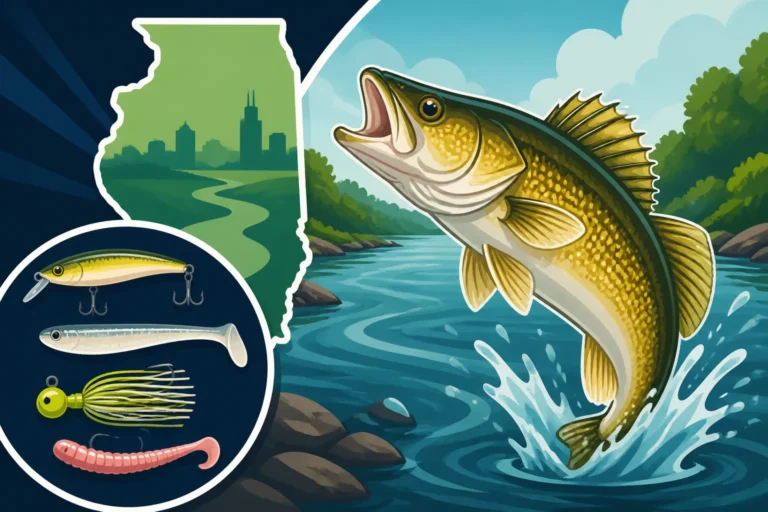
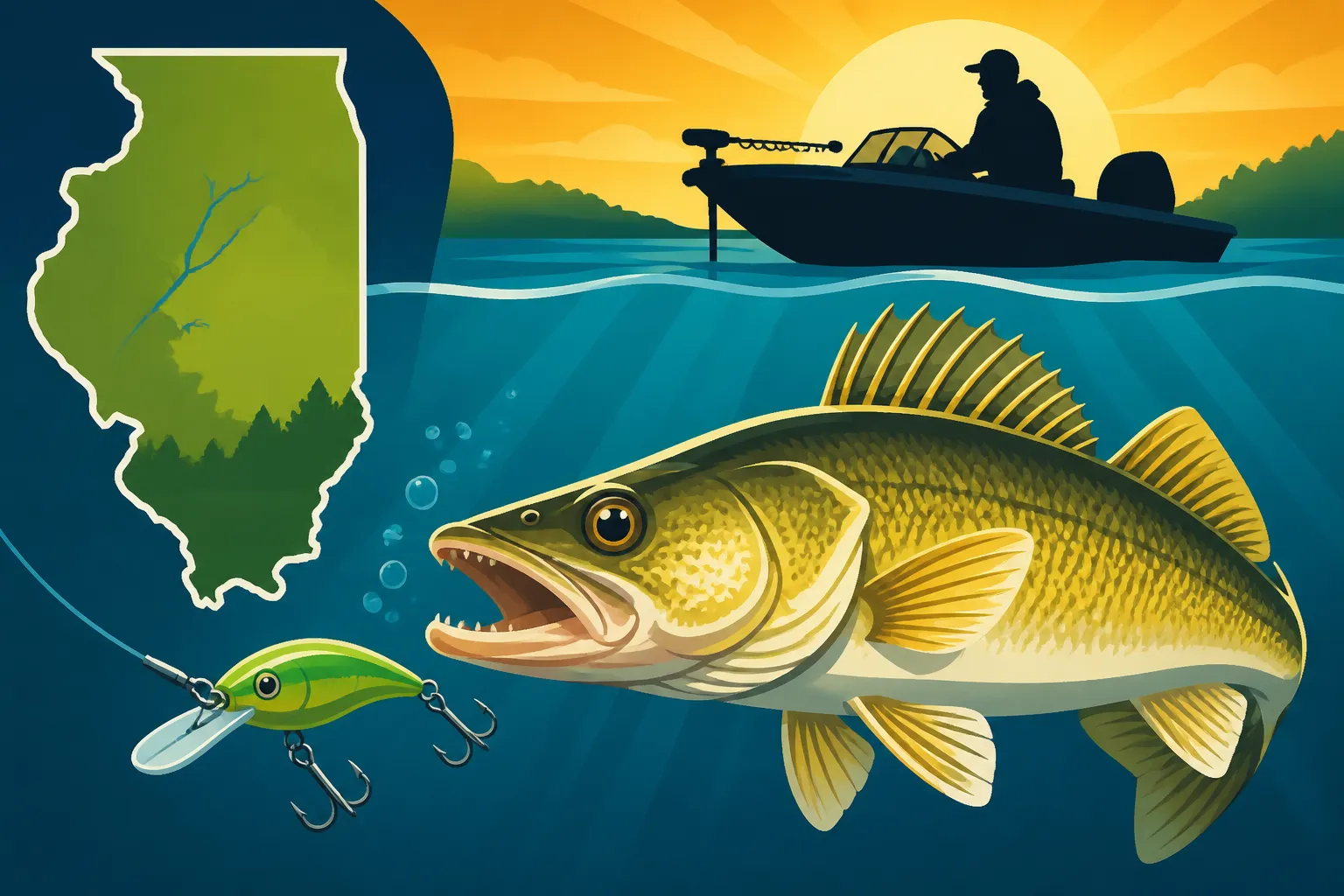
Crankbaits are arguably the most popular choice for trolling walleye. Their diving lips allow them to reach specific depths, and their wobbling action is irresistible. Experiment with different sizes, colors, and bill designs. Shallow-diving crankbaits work well in shallower waters or over weed beds, while deep-diving models can plumb depths of 20 feet or more. Remember to check out what specific "Best Walleye Lures for Cold Water" might be effective in cooler months.
Spoons, traditionally used for salmon and trout, can also be deadly for walleye, especially when paired with a flasher or dodger to add attraction. Their fluttering action mimics wounded baitfish and can be particularly effective in open water. Live bait, such as shiners, nightcrawlers, or leeches, fished on a Walleye Rig or with a bottom bouncer, is another classic. These natural presentations can entice even the most hesitant walleye, especially when they're less aggressive. You might also consider spinner rigs with crawler harnesses, which combine flash and natural scent for an irresistible offering.
| Lure Type | Best for Depth Range | Action/Presentation | Ideal Conditions | Notes |
|---|---|---|---|---|
| Deep-Diving Crankbait | 10-30+ feet | Aggressive wobble, rattles, dives quickly | Open water, deep structure, faster speeds | Mimics large baitfish; various colors for different water clarities. |
| Shallow Crankbait | 2-10 feet | Subtle wobble, dives less aggressively | Shallow flats, weed edges, early morning/evening | Good for nervous fish; often smaller profiles. |
| Spinner Rig | Variable (with weight) | Flash, vibration, live bait scent | All depths, especially with bottom bouncers | Excellent for slower speeds; highly versatile with different blade types. |
| Stickbait | 5-15 feet | Tight wobble, natural baitfish imitation | Clear water, suspended fish, subtle presentation | Often used with lead core or snap weights to reach depth. |
| Jigging Rap/Blade | Bottom-up to mid-water | Erratic darting, vibration (when trolled slowly) | Around structure, humps, slow trolling periods | Not strictly a "trolling" lure, but effective for slow presentations. |
Trolling Motors and Electronics
While not strictly required for every trolling scenario, a good trolling motor and reliable electronics will elevate your walleye game significantly. A bow-mounted electric trolling motor with GPS capabilities (like spot-lock) can hold your boat precisely on a contour line or over a piece of structure, even in wind or current. This is invaluable for presenting your lures perfectly to fish holding tight to specific features. It frees you up to focus on your rods and keep an eye on your sonar.
Speaking of sonar, a quality fish finder with GPS mapping is your best friend. It allows you to see bottom contours, identify submerged structure like old creek beds or rock piles, and, most importantly, mark schools of baitfish and the walleye themselves. Learning "How to Find Walleye in Current" often starts with understanding what your fish finder is telling you about the river bottom and the water column. Being able to mark a productive trolling pass on your GPS and run it again and again is a huge advantage. Many anglers also appreciate the added functionality of side-imaging or down-imaging, which provides even greater detail about the underwater world and helps you spot fish that might be off to the sides of your boat.
Mastering Walleye Trolling Techniques
Trolling isn't just about driving around with lines in the water. There's an art and a science to it, and understanding the nuances can dramatically increase your catch rate. It's about being observant, making subtle adjustments, and understanding how your gear interacts with the water and the fish.
Setting Your Speed and Depth
This is paramount. Walleye can be incredibly particular about how fast your lure moves and how deep it runs. A good starting point for most crankbait trolling is between 1.5 to 2.5 miles per hour. However, this is just a guideline. Sometimes, a slower speed (1.0 mph) is better in cold water or when fish are sluggish, while a faster pace (up to 3.0 mph) can trigger aggressive bites in warmer water. Pay attention to what's working and adjust accordingly.
Achieving the right depth is where specific gear comes into play. For shallower presentations, simply letting out more line can get your crankbait deeper. Using a line counter reel (as mentioned before) is critical for replicating successful depths. For deeper presentations, you might need diving planers (like Dipsy Divers or Jet Divers), which take your lure down to specific depths. Lead core line, a specialized line with a lead core wrapped in a braided sheath, sinks at a predictable rate per color segment, allowing you to fine-tune your depth. Downriggers offer the most precise depth control, carrying your lure to an exact depth and releasing it when a fish strikes. Don't be afraid to experiment with different depths until you find where the walleye are holding. Remember that "Walleye Trolling Techniques" often involve subtle changes that make a big difference.
Understanding Trolling Patterns
The way you maneuver your boat while trolling can be just as important as your speed and depth. Straight-line trolling is good for covering open water, but often, the most productive areas are along structure or transitions.
- Contour Trolling: This involves following a specific depth contour, like a drop-off or a channel edge. Walleye often patrol these areas, moving up and down the breaks to feed. Your GPS and fish finder are vital here for staying on the desired depth line.
- Zig-zagging: Making gentle S-turns or wide zig-zags with your boat causes your outside lines to speed up and rise, while your inside lines slow down and sink. This subtle change in speed and depth can often trigger bites from hesitant walleye who might not react to a constant presentation.
- Open Water Trolling: When walleye are suspended over deep basins, often chasing schools of baitfish, open water trolling is the key. This often involves using planer boards to spread your lines out wide from the boat, covering a broader swath of water and presenting lures away from the boat's disturbance. This can be incredibly effective on Illinois's larger reservoirs.
Reading Your Rods and Detecting Bites
Unlike casting, where bites are often distinct jolts, walleye bites while trolling can be incredibly subtle. Your rod tip might barely twitch, or you might just notice a slight loading of the rod. This is why having sensitive rods and paying close attention to your rod tips is crucial. A good trolling rod will have a soft tip to absorb the lure's action and show even the slightest tap.
It's a good practice to periodically check your lures to ensure they're running cleanly and haven't fouled with weeds or debris. A fouled lure won't run true and won't catch fish. When you do detect a bite, resist the urge to immediately yank the rod. Instead, gently sweep the rod forward or simply reel into the fish, letting the boat's momentum help set the hook. Walleye often "mouth" the bait before fully committing, so a slight pause or slow take-up can give them time to engulf the lure.
Reading the Water: Where and When to Troll for Walleye
Knowing how to troll is one thing, but knowing where and when to troll is what separates consistent anglers from occasional lucky ones. Walleye are creatures of habit and environment, so understanding their seasonal patterns and preferred habitats in Illinois is key to your success.
Seasonal Walleye Movements in Illinois
Walleye behavior changes dramatically with the seasons in Illinois.
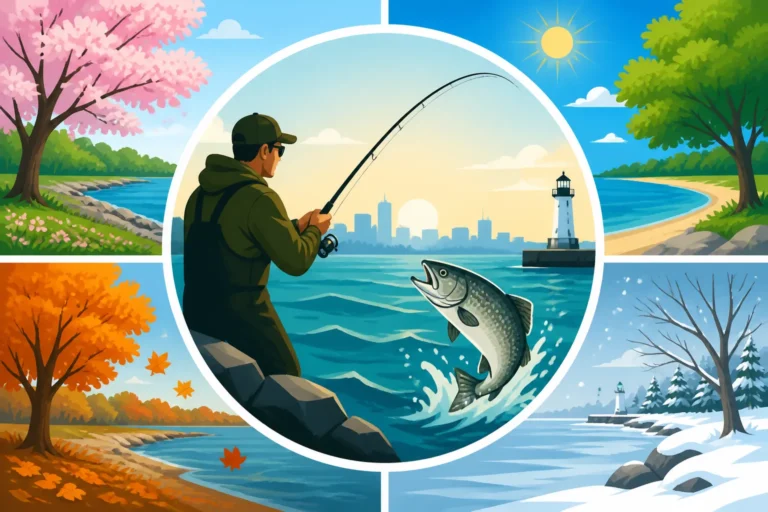
- Spring: As the ice melts and water temperatures rise into the 40s and 50s, walleye move into shallower spawning areas – often rocky shorelines, rip-rap, or river current breaks. Trolling can be effective near these areas, particularly post-spawn when they're recovering and looking for an easy meal. This is a prime time to refer to the "Illinois Walleye Fishing: The Complete Guide" for seasonal tips.
- Summer: When water temperatures climb into the 60s and 70s, walleye often move deeper to find cooler, more oxygenated water. They'll relate to deep structure like humps, points, submerged islands, and main lake channels. This is prime time for deep-water trolling with crankbaits, spoons, or bottom bouncers. You'll often find them suspended over baitfish schools, making open-water trolling with planer boards effective.
- Fall: As water temperatures cool down again (50s-60s), walleye become very active feeders, bulking up for winter. They'll often move back shallower, particularly during low light conditions, and can be found chasing baitfish on flats, points, and along weed edges. Fall is an excellent time for trolling medium-diving crankbaits.
- Winter (Pre-Ice/Post-Ice): Before ice-up and immediately after ice-out, walleye can be found in deep holes, river bends, and slow-moving channels. Trolling slowly with subtle presentations, often using jigs or blades, can still produce, though traditional open-water trolling is less common. For winter fishing, "Best Time of Year to Catch Walleye" will give you specific insight into where and how walleye behave during the colder months.
Targeting Structure and Forage
Walleye are masters of relating to structure and are almost always found near a food source. Your fish finder is crucial for identifying these key areas.
- Main Lake Points and Humps: These are classic walleye magnets. Fish will stage on the tips, sides, and crowns of points and humps, ambushing baitfish. Troll along these contours, paying close attention to any breaks or transitions.
- Submerged Roadbeds and Rock Piles: These forgotten structures create excellent habitat. Walleye will hold tight to these features, especially if they offer current breaks or ambush points.
- River Channels and Current Seams: In rivers like the Illinois or Mississippi, walleye will use current breaks and channel edges to conserve energy while waiting for food to drift by. Trolling along the edges of the main channel or through slower backwater sloughs can be highly productive. Keep an eye on "Illinois Walleye Size and Catch Limits" as regulations can sometimes differ slightly on river systems.
- Baitfish Schools: Wherever you find schools of shad, minnows, or other forage fish, you're likely to find walleye nearby. Look for large clouds on your sonar and troll your lures through or around them. Walleye are often suspended slightly below the baitfish.
Wind, Current, and Water Temperature Considerations
These environmental factors play a huge role in walleye behavior and trolling success.
- Wind: A moderate chop on the water can actually improve walleye fishing. The waves break up light penetration, making walleye feel more comfortable in shallower water, and also disorients baitfish. Trolling into or with the wind can affect your speed and lure presentation, so adjust your boat's speed accordingly. Trolling cross-wind can be challenging but might be necessary to stay on productive contours.
- Current: In rivers, current is everything. Walleye will use current breaks to their advantage, positioning themselves just out of the main flow to ambush prey. Troll upstream against the current or downstream with it, always paying attention to how the current affects your lure's action and depth. When fishing in areas with strong current, you may need heavier lures or specific weights to get your bait down. Knowing how to adapt to current is a huge part of success when considering "Best Walleye Bait for Rivers."
- Water Temperature: This is perhaps the most critical factor. Walleye are cold-blooded and their metabolism is directly linked to water temperature. There are optimal temperature ranges for feeding and spawning. As mentioned, spring and fall generally see walleye in shallower, more accessible areas, while summer drives them deeper. Using a water temperature gauge is invaluable for identifying these preferred zones. For instance, walleye might be most active in a very specific thermal band, and you'll want to troll at that depth.
By paying close attention to these elements and making small, consistent adjustments, you'll be well on your way to mastering walleye trolling in Illinois and enjoying many rewarding days on the water.
Disclaimer
This article is for general informational purposes only and does not constitute professional advice. Laws, prices and regulations vary by location and change over time. Consult a qualified professional for guidance on your specific situation.