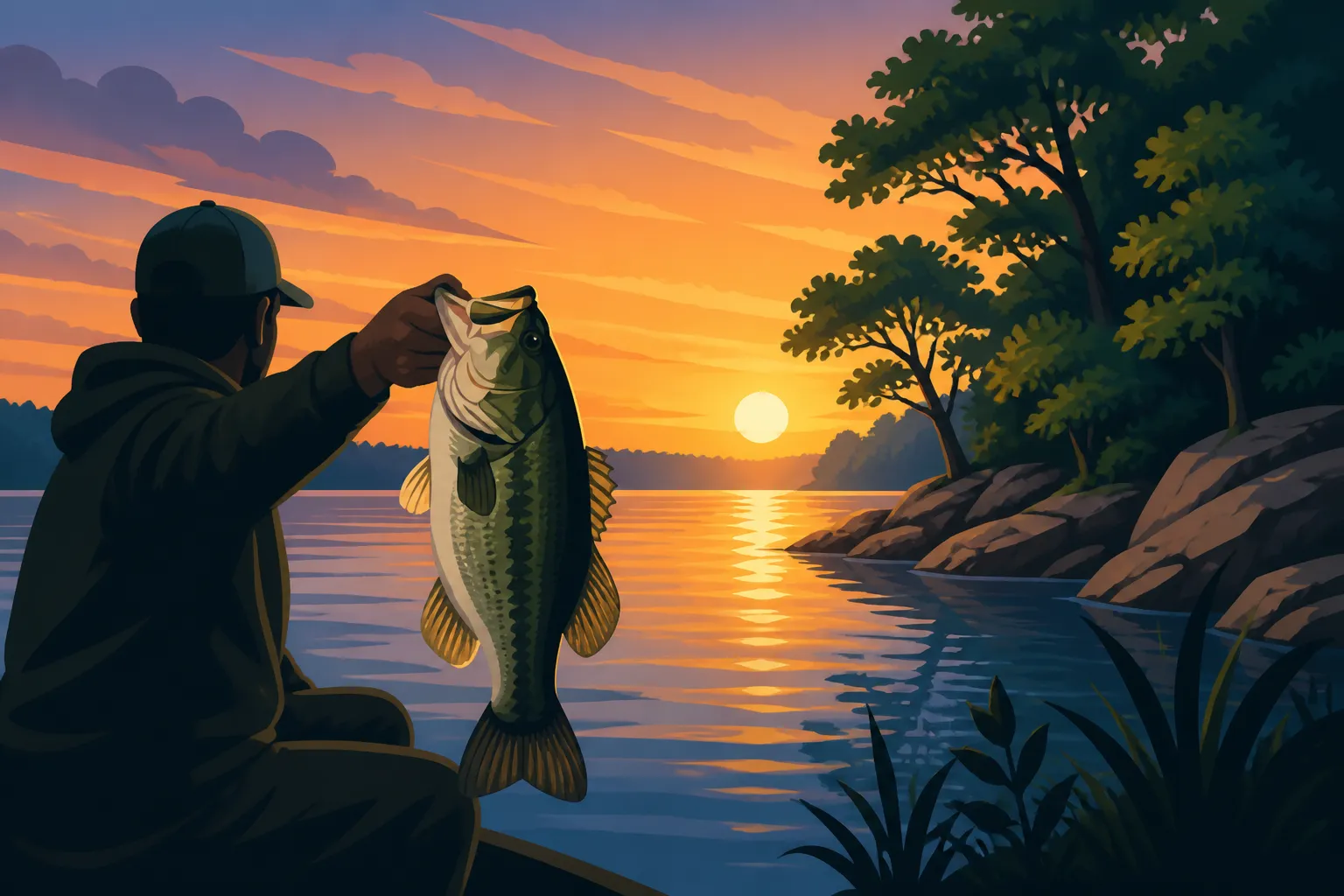
Quiet Coves on Lake Shelbyville for Evening Bass
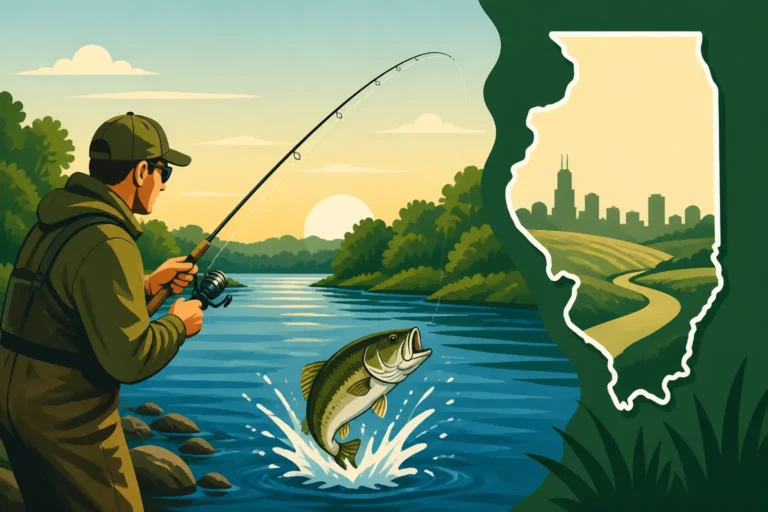
There's nothing quite like the frustration of arriving at your favorite fishing spot on a beautiful Illinois afternoon, only to find it teeming with pleasure boats, jet skis, and other anglers. All that noise and activity can send even the most aggressive bass deep into hiding, leaving you with a quiet cooler and a sense of disappointment. This guide is all about helping you reclaim the tranquility and excitement of fishing by uncovering the best quiet coves on Lake Shelbyville where you can target active bass as the day winds down and the crowds disperse.
Why Evening Bass Fishing on Lake Shelbyville is a Game-Changer
When the summer sun beats down, Lake Shelbyville can feel like a bustling aquatic highway, especially during weekends. But as twilight approaches, a magical transformation occurs. The recreational boaters head for the docks, the water quiets down, and a sense of calm descends upon the sprawling reservoir. This shift isn't just about peace and quiet; it's about optimizing your chances for a truly memorable bass fishing experience.
Escaping the Daytime Crowds
During the day, the sheer volume of boat traffic on Lake Shelbyville can be overwhelming. Ski boats crisscross the main lake, pontoon boats anchor in popular coves, and the constant drone of engines reverberates across the water. This continuous disturbance not only spooks bass but also churns up sediment in shallower areas, reducing visibility and making fish hesitant to feed. Imagine trying to hunt for food with a constant barrage of noise and shadows overhead – it’s just not conducive to a productive bite.
By waiting until the evening, you're tapping into a fundamentally different fishing environment. The absence of heavy boat traffic means less noise pollution and calmer waters, allowing bass to move out from their daytime cover with greater confidence. This creates a prime opportunity to present your lures without the added challenge of battling boat wakes or a chorus of recreational sounds. It’s a chance to truly connect with the lake and the fish, undisturbed.
The Allure of Cooler Temperatures and Active Bass
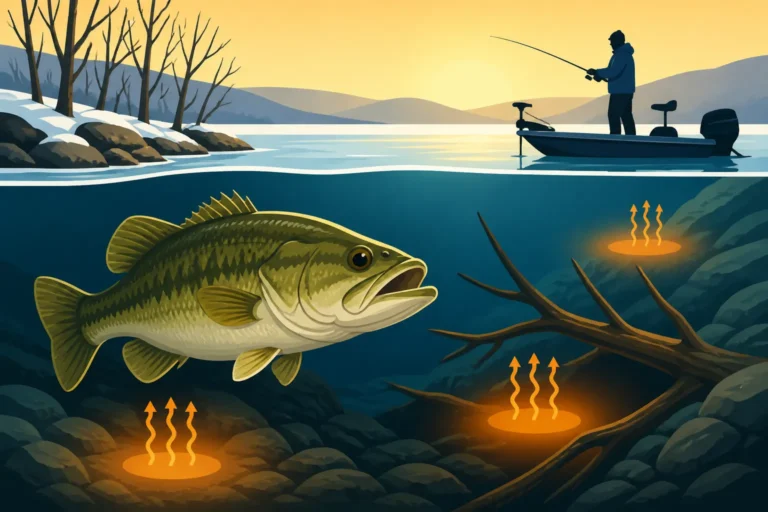
One of the most significant advantages of evening bass fishing on Lake Shelbyville is the dramatic change in water temperature and light conditions. Throughout the hot Illinois summer days, shallow water warms considerably, often pushing bass into deeper, cooler refuges where they become lethargic. As the sun begins to dip below the horizon, and especially once it's fully set, the surface water temperature gradually drops. This cooling trend invigorates bass, signaling a prime feeding window.
The lower light also plays a crucial role. Bass, being ambush predators, have excellent low-light vision, which gives them a distinct advantage over their prey as visibility decreases. They move from their deeper daytime haunts towards shallower structure like submerged weed lines, rocky points, and timber where baitfish and crawfish become more vulnerable. This movement into aggressive feeding patterns makes them much more receptive to various presentations, often resulting in explosive strikes you wouldn't typically experience midday. Understanding the nuances of the Illinois Fishing Seasons Guide can help you predict these seasonal shifts in bass behavior.
Pinpointing Lake Shelbyville's Most Productuctive Quiet Coves
Lake Shelbyville is a vast body of water, and finding those truly quiet, productive coves takes a bit of local knowledge and a good map. The key is to look for areas that offer both seclusion from the main lake channels and ample structure to attract and hold bass. Whether you prefer the northern stretches or the more remote southern arms, there are plenty of spots waiting to be discovered under the evening sky. For a deeper dive into the lake's offerings, check out our comprehensive Lake Shelbyville Fishing Guide.
Northern Lake Coves and Their Unique Structure
The northern end of Lake Shelbyville, especially around the areas upstream from the main lake basin, offers numerous coves that can be incredibly productive for evening bass. These areas often feature a mix of standing timber, submerged brush piles, and gradual tapering points that create ideal ambush points. One excellent example is the series of coves and creek arms extending off the main channel near the Wilborn Creek area. These coves are often relatively shallow, especially in their back reaches, making them perfect for bass moving up to feed as evening sets in.
Further north, the Coal Creek and Findlay Creek arms provide similar opportunities. Look for areas where old creek channels wind through submerged timber. Bass will often hold along the edges of these channels or tuck themselves into the dense wood. The irregular bottom contours and plentiful cover provide both protection and a rich feeding ground. Evenings here can be particularly good for targeting fish with topwater lures, as they often become bolder in the low light, willing to chase baits across the surface near these structural elements. It’s truly one of the Best Bass Fishing Lakes in Illinois.
Southern Lake Seclusion and Hidden Gems
Moving south on Lake Shelbyville, you'll find coves that often boast deeper water access and more prominent bluff walls, especially around the Lithia Springs and Possum Creek areas. These southern coves can be fantastic because they offer a quick transition from deep water to shallower feeding flats or rocky points. Bass will use these deep-water highways during the day, then slide up onto the structure in the evenings. The key here is to look for areas where the bluff walls give way to a rocky point or a flat, or where a submerged creek channel runs close to the bank.
Coves tucked away off the main channel near Lithia Springs campground, for instance, can provide excellent seclusion. These often have isolated timber or rock piles that aren't heavily fished by daytime boaters. Another fantastic option is exploring the numerous smaller, unnamed pockets within larger creek arms. Sometimes, the most productive quiet coves are those that require a bit of navigating through standing timber or shallow areas to reach, naturally deterring casual anglers. For those keen on serious exploration or who prefer expert guidance, booking a trip with a local guide through platforms like FishingBooker can unveil these less-pressured southern gems, providing insights into their unique contours and prime evening spots.
Interpreting Lake Maps and Satellite Imagery
Finding these quiet coves isn't just about driving around; it's about smart planning. Before you even launch your boat, spend some time studying detailed lake maps or using satellite imagery tools like Google Maps or specialized fishing apps. Look for distinct features that scream "bass habitat." Pay close attention to contour lines: areas where they are tightly packed indicate steep drops or bluff walls, while spread-out lines show flats. Identifying old creek beds that wind through coves is also critical, as bass will often use these as travel corridors.
Satellite imagery can reveal visible standing timber, distinct weed lines, or even submerged humps that might not be obvious from the surface. Look for bottlenecks where coves narrow, creating pinch points that bass use to ambush baitfish. Remember, the goal is to find areas that are somewhat protected from the wind and heavy boat traffic, offering both cover and clear access to deeper water nearby. Combine your map study with real-time conditions like wind direction and recent fishing reports, and you'll be well on your way to discovering your next secret spot.
Evening Bass Techniques for Lake Shelbyville's Quiet Waters
Once you've identified your target coves, it's time to talk tactics. Evening bass fishing demands a slightly different approach than midday angling, primarily due to the low light conditions and the bass's increased activity levels. You'll want to present baits that are easy for them to detect and that mimic the natural prey they're actively hunting. For beginners looking to get into the sport, understanding Bass Fishing Techniques for Beginners is a great start before diving into specific evening strategies.
Topwater Excitement as the Sun Dips
There are few things in fishing as exhilarating as a bass exploding on a topwater lure. As the sun dips below the horizon and the shadows lengthen across Lake Shelbyville's coves, topwater fishing becomes incredibly effective. The low light minimizes a bass’s ability to scrutinize a bait, making them more reactive to surface disturbances. Poppers, with their distinct "bloooping" sound and splashing action, are excellent for calling fish out of cover. Walk-the-dog baits like a Heddon Super Spook Jr. or a Zara Spook, create an enticing side-to-side glide that mimics an injured baitfish.
Buzzbaits are another evening staple, especially around areas with standing timber or emergent weeds. Their gurgling, squeaking blade creates a commotion that can draw strikes from surprisingly long distances. The key to successful topwater fishing in the evening is patience and varying your retrieve. Sometimes a slow, deliberate walk or pop is best, while other times a faster, more erratic retrieve can trigger a reaction strike. Cast close to cover, let the ripples dissipate, and then begin your retrieve, pausing occasionally to let the lure sit. These techniques are often highlighted by experienced guides you can find through services like FishingBooker, offering invaluable hands-on learning.
Subsurface Presentation for Deeper Cover
While topwater action is fantastic, not all bass will be willing to come to the surface, especially if they are holding in slightly deeper cover within the coves. For these fish, subsurface presentations are essential. Spinnerbaits, particularly those with a thumping Colorado blade or a combination of willow leaf and Colorado blades, are excellent choices in low light. The flash and vibration make them highly detectable as you slow-roll them past submerged timber or rock piles. Their weedless design allows them to come through cover that would snag other lures.
Crankbaits that dive to the appropriate depth for the cove you're fishing are also highly effective. Lipless crankbaits can be retrieved quickly or slowly bounced off the bottom. Diving crankbaits, especially those with rattles, imitate fleeing baitfish and can be retrieved to crash into submerged wood or rocks, creating deflections that often trigger strikes. Don't overlook soft plastics either. A Texas-rigged worm or a jig-and-trailer combo fished slowly along the bottom or pitched into dense cover can entice less aggressive bass. The key is to match your lure's depth and profile to the forage and structure present in the specific cove.
The Importance of Stealth and Approach
In the quiet of the evening, noise travels far across the water, and bass are incredibly sensitive to vibrations. Therefore, stealth is paramount when fishing Lake Shelbyville's quiet coves. Approach your target area using your trolling motor at a low speed, or even better, paddle quietly if you're in a kayak or canoe. Avoid banging tackle boxes, dropping items on the boat floor, or talking loudly. These sounds can easily spook fish, sending them back into hiding.
Make long, accurate casts to avoid getting too close to the bass. Position your boat in a way that allows you to work the structure thoroughly without having to reposition frequently. Think about the angle of the moon or any ambient light (if present) and how it might create shadows or glare on the water, which could affect your presentation or spook fish. Mastering these Boat Fishing Techniques can significantly improve your evening success.
Essential Gear and Safety for Nighttime Adventures
Evening and nighttime fishing on Lake Shelbyville offers incredible rewards, but it also comes with added safety considerations and specific gear requirements. You're operating in low visibility, sometimes complete darkness, so being prepared is not just about catching fish, but about ensuring a safe and enjoyable trip.
Rods, Reels, and Line for Evening Bass
For evening bass fishing, a versatile rod and reel setup will serve you well. A medium-heavy power, fast-action casting rod, typically between 6'10" and 7'4", is ideal. This length provides good casting distance and enough backbone to pull fish out of cover. Pair this with a baitcasting reel that has a smooth drag and a gear ratio in the 6.5:1 to 7.3:1 range, which is good for both slower presentations and quickly taking up slack after a strike. Look for a durable reel that can handle the stress of fighting larger fish, which are more common in the evening.
When it comes to line, consider a 15-20 lb fluorocarbon line for most applications, especially if you're fishing around submerged timber or rocky areas. Fluorocarbon is nearly invisible underwater and has excellent abrasion resistance. For topwater lures where you want buoyancy, 12-17 lb monofilament can be a better choice as it floats, helping your lure sit correctly on the surface. Alternatively, braided line in 30-50 lb test, often with a fluorocarbon leader, offers incredible sensitivity and strength for fishing heavy cover. For more details on selecting the right gear, check out our guide on the Best Rods for Illinois Largemouth Bass.
Navigational Aids and Lighting
Safety is paramount when fishing after dark. A reliable headlamp is an absolute must-have, allowing you to tie knots, rig baits, and navigate your boat while keeping your hands free. Ensure your boat's navigation lights are fully functional and properly displayed. Green and red sidelights, and an all-around white stern light, are legally required after sunset and before sunrise. Don't forget a backup light source, like a handheld flashlight, just in case your headlamp fails.
A good GPS unit, whether built into your fish finder or a standalone device, is invaluable for navigating Lake Shelbyville in the dark. It allows you to mark productive spots, safely follow your track back to the ramp, and avoid hazards like submerged stumps or shallow flats. Even if you think you know the lake like the back of your hand, everything looks different in the dark. Always carry a fully charged cell phone for emergencies, and consider a portable VHF radio if you plan to venture far from the ramp. For a full list of necessities, consult the Illinois Boating Safety Equipment Checklist.
Planning Your Trip and Checking Conditions
Before heading out for an evening bass session on Lake Shelbyville, thorough preparation is crucial. Always check the weather forecast for wind, storms, and temperature changes. A calm evening is ideal for topwater action, while strong winds can make boat control difficult and fishing less enjoyable. Pay attention to water levels and current conditions, as these can affect where bass are holding in the coves.
Inform someone of your float plan – where you're going, when you expect to return, and who is with you. Carry enough food and water, even for a few hours, and have appropriate clothing layers for changing temperatures. Remember that even on quiet evenings, other boats might be out, so remain vigilant. Resources like FishingBooker can sometimes offer insights into local conditions through guides' reports, or even help you connect with an experienced local who knows the evening bite inside and out, ensuring you're as prepared as possible.
| Lure Type | Recommended Presentation | Ideal Cove Structure | Retrieve Style |
|---|---|---|---|
| Topwater Popper | Near emergent cover, shallow flats, visible timber | Weedy points, shallow timber lines, calm backwater | Pop-pause-pop, erratic splash |
| Walk-the-Dog Bait | Open water pockets, along brush piles, rocky banks | Open lanes in timber, flat points, gentle slopes | Steady side-to-side glide, short twitches |
| Buzzbait | Over submerged grass, deadfall, stumps | Shallow flats with wood, dark water, low visibility | Steady retrieve, vary speed, hit cover |
| Spinnerbait | Around standing timber, submerged brush, rock piles | Creek channel edges, defined structure, slightly deeper | Slow roll, moderate speed, deflect off cover |
| Diving Crankbait | Deeper edges of points, bluff walls, channel swings | Rocky ledges, deep timber, hard bottom areas | Erratic retrieve, bottom contact, pause |
| Texas-Rigged Worm | Pitched into heavy cover, bottom bouncing | Dense brush, timber, deep weed edges, rock crevices | Slow drag, subtle hops, feel for bites |
Disclaimer
The information provided in this guide is for general informational purposes only and is not intended as legal or professional advice. Fishing regulations, license requirements, and boating laws in Illinois can change frequently. Always consult the latest official publications from the Illinois Department of Natural Resources (IDNR) or other relevant authorities before engaging in any fishing or boating activities. Safety should always be your top priority on the water.