Best Catfish Fishing Spots in Illinois
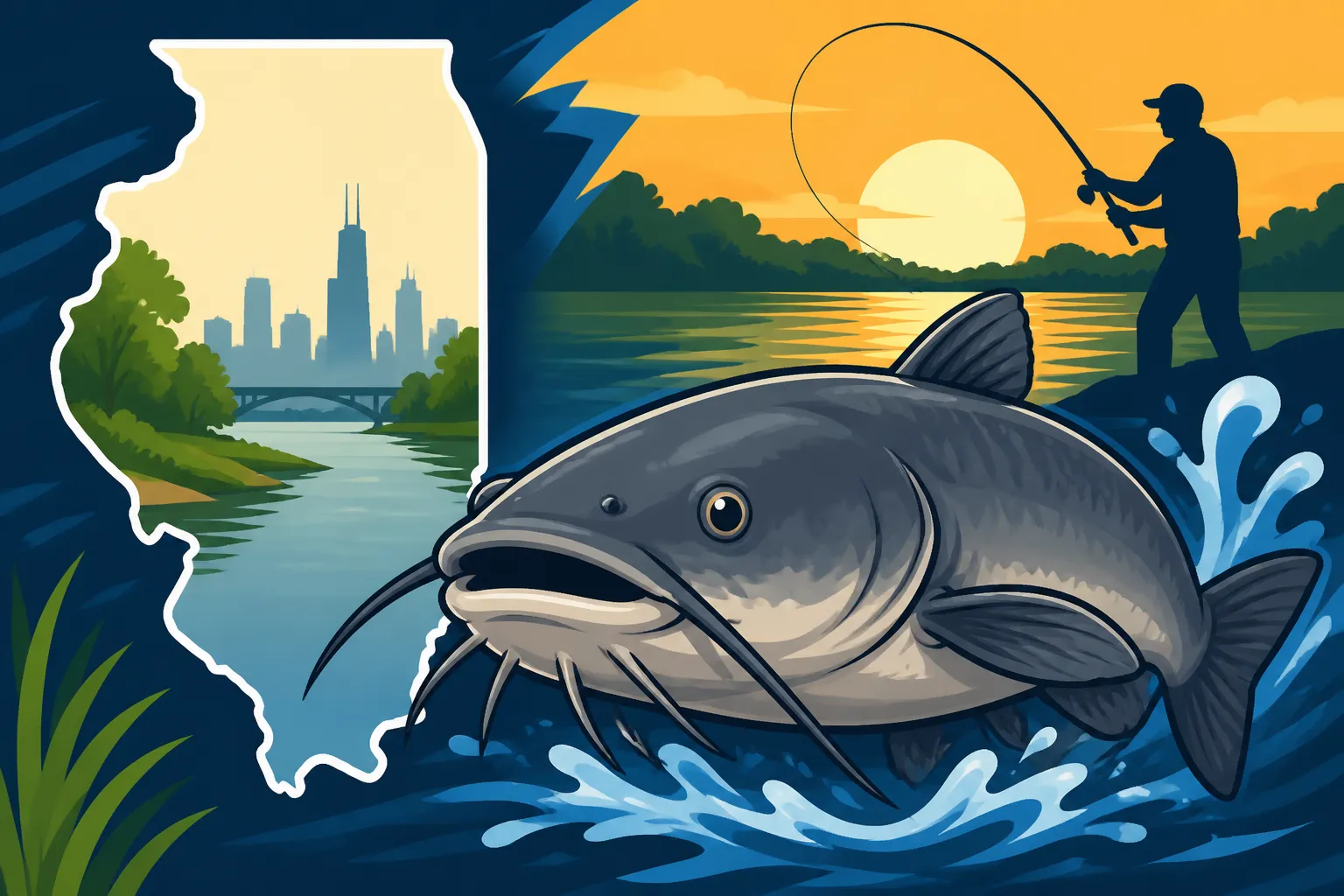
It can be incredibly frustrating to hear whispers of fantastic catfish hauls in Illinois, only to find yourself on the water with no idea where to even begin looking for those whiskered giants. Anglers often struggle to pinpoint the truly productive spots, wading through countless mediocre locations before stumbling upon a gem. This guide aims to cut through that noise, offering a detailed breakdown of Illinois' best catfish fishing spots, covering everything from the mighty rivers to expansive lakes and even hidden local ponds.
The Big Three: Illinois' Premier Catfish Lakes
Illinois is home to some truly massive reservoirs, and a few of them stand out as absolute powerhouses for catfish. These aren't just good; they're legendary, drawing anglers from across the Midwest with their consistent action and potential for trophy-sized fish. If you're serious about filling a cooler or landing a personal best, these three lakes should be at the top of your list.
Rend Lake: Channel and Flathead Galore
Rend Lake, situated in Southern Illinois, is perhaps one of the most consistent catfish producers in the entire state. This sprawling 18,900-acre reservoir is known for its incredible numbers of channel catfish, but don't overlook its impressive flathead population either. The lake’s diverse structure, including flooded timber, riprap, and shallow flats, provides ideal habitat for all stages of catfish life. For channel catfish, the shallower, mud-bottomed bays and points are often the best bets, especially during the warmer months. Look for areas with submerged brush or old timber, which attract baitfish and, consequently, hungry catfish.
Many anglers find success fishing the numerous bridges and causeways that cross the lake, like the one near the Rend Lake Dam. These structures create current breaks and attract bait, making them prime ambush points for channel cats. For those targeting flatheads, deeper channels and areas with significant timber are key. Flatheads are ambush predators and love to hide in cover, waiting for unsuspecting prey. Drifting large cut bait or live bait along these deeper contours, particularly near the main river channels, can be incredibly productive. Remember that the Illinois Channel Catfish Daily Limit Explained is generous, often allowing for a good harvest here.
Lake Shelbyville: Blue Catfish Potential and Diverse Catches
Lake Shelbyville, a central Illinois gem spanning 11,100 acres, is primarily renowned for its bass and crappie, but it holds a secret weapon for catfish anglers: a growing population of blue catfish, alongside a healthy contingent of channel and flathead cats. While blue catfish might not be as numerous here as in the Mississippi River, their presence offers an exciting challenge for those looking to land a truly large specimen. Targeting blue cats here often means fishing deeper areas of the main lake, especially around the old river channel and submerged timber. The key is to use robust gear and large cut bait, as these fish are notorious for their powerful fights.
Beyond the blues, Lake Shelbyville offers fantastic opportunities for channel and flathead catfish. The numerous coves, creek arms, and rocky points provide excellent habitat. During the spring and early summer, channel catfish move into shallower areas to spawn, and they can be caught with traditional baits like stink baits, worms, or chicken liver. As the season progresses, they'll retreat to slightly deeper water but remain active along the flats and drop-offs. Flatheads are often found near the abundant standing timber and brush piles. Many guided trips available through services like FishingBooker specifically target these powerful fish in Lake Shelbyville, especially for those less familiar with the lake's vast expanse. When preparing your gear, remember to check the Illinois Fishing Seasons Guide to ensure you're fishing during peak times.
Carlyle Lake: Illinois' Largest Lake for Trophy Cats
Carlyle Lake, the largest man-made lake entirely within Illinois, covers a staggering 24,580 acres and is a legitimate contender for trophy catfish, especially channel and flathead. Its vast size, relatively shallow nature, and abundance of shallow flats, submerged timber, and riprap make it a catfish paradise. For many years, Carlyle has been a go-to spot for anglers seeking quantity, but the potential for truly massive flatheads and impressive channel cats is also significant. The lake’s numerous points, humps, and the expansive flats around the northern end are prime channel catfish territory.
Fishing the riprap along the dam and causeways can be particularly effective, especially during periods of higher water flow or strong winds, which stir up baitfish. For flatheads, the deeper parts of the Kaskaskia River channel that runs through the lake, as well as the dense timber stands, are productive. Anglers often employ large live baits such as sunfish or shad, fished on stout gear, to entice these territorial predators. Jug fishing and trotlining are also popular and highly effective methods on Carlyle Lake, though remember to adhere to all Illinois Fishing Regulations Overview. This lake is truly a catfish angler's dream, offering both high-volume action and the chance at a fish of a lifetime.
The Mighty Mississippi River: Catfish Havens in Western Illinois
The Mississippi River, the western border of Illinois, is not just a river; it's an ecosystem unto itself, a true haven for some of the biggest and baddest catfish in the Midwest. Its immense size, powerful currents, and complex structures make it a challenging but incredibly rewarding destination for catfish anglers. All three major species—channel, blue, and flathead—thrive here, often reaching impressive sizes.
Southern Stretches: Blue Catfish Dominance
The southern stretches of the Mississippi River bordering Illinois, particularly from the confluence with the Missouri River near Alton all the way south to Cairo, are legendary for their monstrous blue catfish. This area is considered by many to be the premier blue catfish fishery in the entire state, if not the region. The deep, powerful currents, vast sand flats, and numerous logjams provide ideal habitat for these behemoths. Targeting blue cats here requires heavy-duty gear—think stout rods, large reels spooled with heavy braided line, and robust circle hooks. Large cut bait, such as shad, skipjack herring, or even carp, is the bait of choice, fished on the bottom in deep holes, current seams, and around structure.
Access points like those around Alton, Grafton, and Chester offer good starting points. Many professional guides, often found via platforms like FishingBooker, specialize in these waters, and they can put you on fish that easily exceed 50 pounds, with the potential for much larger. Understanding the Illinois Blue Catfish Rules and Daily Limits is critical, as harvest regulations can sometimes vary by pool. Fishing in the swift current demands heavy weights to hold your bait in place, and anchoring strategically upstream of prime structure is a common tactic. The fight of a Mississippi River blue cat is something every angler should experience at least once.
Central and Northern Pools: Channel and Flathead Opportunities
As you move northward up the Mississippi River along the Illinois border, from the St. Louis area up towards Rock Island and beyond, the fishery shifts slightly, though trophy-sized catfish are still very much a reality. While blue cats are still present, channel and flathead catfish become more prominent, offering fantastic opportunities for anglers targeting these species. The river's numerous wing dams, rock piles, tributary mouths, and backwater sloughs create diverse fishing environments. Channel catfish are abundant throughout these pools, often congregating in calmer water behind wing dams, in side channels, and around logjams. They respond well to traditional baits like nightcrawlers, stink baits, and cut bait.
Flathead catfish, always seeking cover and ambush points, can be found in the deeper holes, around bridge pilings, and especially in massive logjams. Live bait, such as sunfish or large shiners, is the most effective presentation for these powerful fish. The stretch of river near Quincy and further north towards Rock Island offers excellent access and consistent action. Navigating the Mississippi can be tricky due to barge traffic and strong currents, so a reliable boat and sound boating knowledge are essential. Understanding the Illinois Flathead Catfish Limit of 10 Fish Per Day is important, especially if you have a particularly good day. The sheer volume of water and variety of structure make the Mississippi River a truly world-class catfish destination.
Illinois River and Its Tributaries: Underrated Catfish Goldmines
While the Mississippi often steals the spotlight, the Illinois River and its major tributaries offer equally incredible, and sometimes less pressured, catfish fishing. This river system carves its way through the heart of the state, providing thousands of acres of prime catfish habitat, often within easy reach of major population centers.
Main Channel Hotspots: From Peoria to Grafton
The Illinois River's main channel, particularly the stretch from Peoria downstream to its confluence with the Mississippi at Grafton, is a phenomenal catfish fishery. This deep, slow-moving river is loaded with channel and flathead catfish, and even some blues, though typically smaller than their Mississippi counterparts. The main channel offers a mix of deep holes, sandbars, and extensive logjams, all of which hold catfish. For channel catfish, fishing along the edges of sandbars, in calmer eddies, and near tributary mouths can be incredibly productive. Cut bait, worms, and various prepared baits are effective here.
Flatheads are often found in the deepest holes, especially those with significant woody debris. Local knowledge is invaluable on the Illinois River; experienced anglers often target specific scour holes created by current around bridge pilings or bends in the river. Popular access points include areas around Peoria, Havana, Beardstown, and Grafton. Many anglers also find success fishing the locks and dams, where currents concentrate baitfish and create ideal feeding situations for catfish. Check out the Illinois River Fishing Guide for more specific details on species and tactics for this productive waterway.
Tributaries and Backwaters: Kaskaskia, Kankakee, Fox Rivers
Beyond the main stem of the Illinois River, its numerous tributaries and expansive backwater lakes offer outstanding, and often more intimate, catfishing experiences. Rivers like the Kaskaskia, Kankakee, and Fox Rivers, all feed into the Illinois River system, and each boasts healthy populations of channel and flathead catfish. The Kaskaskia River, especially its lower sections before emptying into Carlyle Lake and then the Mississippi, is known for its abundant channel cats and the potential for flatheads. Smaller tributaries also hold excellent numbers of channel catfish, particularly in deeper pools and bends.
The Kankakee River, further north, is famous for its smallmouth bass, but it also has a strong channel cat population, with flatheads often found in the deeper, slower pools. Bank fishing can be excellent on these rivers, targeting current breaks, fallen trees, and deeper scour holes. The Fox River, winding through Chicagoland, offers surprisingly good channel catfishing, especially in its deeper sections and oxbows, providing urban anglers with close-to-home opportunities. In these tributary systems, a combination of cut bait, worms, and even some stink baits can be highly effective. The key is to explore and find those natural hiding spots that catfish love.
Smaller Lakes and Ponds: Hidden Catfish Gems
While the big rivers and reservoirs get all the glory, Illinois is dotted with countless smaller lakes, ponds, and public waterways that offer fantastic catfish angling, often with less pressure and more tranquil settings. These spots are perfect for a family outing or a quiet evening of fishing.
State Park Lakes and Public Ponds
Illinois' state parks and other public access areas often feature well-managed lakes and ponds that are regularly stocked with channel catfish. These waters are designed to provide accessible fishing opportunities for anglers of all skill levels. Lakes like those found in Shabbona Lake State Park, Mill Creek Lake, and countless county and forest preserve ponds are prime examples. These typically smaller, more manageable bodies of water are excellent for channel catfish, which thrive in their environments. Fishing these spots is often straightforward: a simple bottom rig with a weight, hook, and bait like nightcrawlers, chicken liver, or even hot dogs can be incredibly effective.
These lakes often have designated fishing piers, boat ramps, and clear shore access, making them ideal for beginners or those seeking a relaxed day on the water. Many of them offer good numbers of eating-sized catfish, perfect for a fish fry. Before you go, it's always a good idea to check the specific park or district website for any local regulations or fishing reports. Remember that the Illinois Catfish Daily Limits Explained will apply here, just as on larger waters. If you're looking for a low-key, high-reward catfishing experience, don't overlook your local state park lake or public pond.
Local Waterways and Floodplain Lakes
Beyond the officially designated state park lakes, Illinois boasts an incredible network of smaller, often overlooked waterways, including numerous floodplain lakes, oxbows, and smaller rivers that branch off the larger systems. These often-remote spots can be true honey holes for adventurous catfish anglers. Floodplain lakes, formed when rivers overflow their banks and then recede, often retain high populations of channel and flathead catfish. These areas typically have a lot of submerged vegetation and woody cover, providing excellent habitat. Access might be more challenging, often requiring a small boat, canoe, or even bank access through lesser-known trails.
Smaller rivers and creeks, particularly those with deeper pools, logjams, and undercut banks, are also fantastic for catfish. The Embarras River in southeastern Illinois, for instance, is known for its robust channel catfishing. The key to success in these local waterways is exploration and observation. Look for signs of baitfish, deeper water, and any form of cover. Using live bait for flatheads or cut bait for channels can yield impressive results in these often-underfished spots. Sometimes, the best spots aren't found on any map but are discovered through word of mouth or good old-fashioned scouting.
Urban Catfishing Opportunities: Fishing Near Major Cities
You don't always have to drive hours into the countryside to find good catfish fishing. Many of Illinois' major urban centers are surprisingly good for catfishing, offering convenient access for city dwellers and a chance to escape the concrete jungle for a few hours. These spots might not always yield trophy fish, but they consistently produce eating-sized channel cats and provide a fun, accessible fishing experience.
Chicago Area Catfish Spots
Even in the bustling Chicago metropolitan area, excellent catfishing opportunities abound. The Chicago River system, particularly the North and South Branches, holds a surprisingly healthy population of channel catfish. While often overlooked by anglers focused on bass or panfish, the deeper holes, bridge pilings, and slower eddies of the river can be incredibly productive. Shore access is plentiful along sections of the riverwalk and in various parks. Basic bottom fishing rigs with stink bait, worms, or cut bait work well here. The Des Plaines River, winding through the western suburbs, is another fantastic urban catfish spot, offering miles of public access along its banks.
Further afield, but still within an easy drive of Chicago, waters like Busse Lake in Elk Grove Village and Skokie Lagoons provide reliable channel catfishing. These forest preserve lakes are regularly stocked and offer good numbers of fish. Many anglers enjoy taking their families to these well-maintained areas. For those willing to venture slightly further, the Fox River, as mentioned previously, offers excellent opportunities and is often a good option for those seeking a guided experience through a service like FishingBooker. Don't let the city lights fool you; Chicago offers plenty of close-to-home catfish action.
Springfield and Peoria Urban Waters
Central Illinois cities like Springfield and Peoria also offer fantastic urban catfishing. Lake Springfield, the primary water supply for Springfield, is a popular local spot that consistently produces channel catfish, with some flatheads lurking in its deeper sections. Shore access is widespread, and numerous parks and boat ramps make it easy to get on the water. Fishing around docks, bridge pilings, and submerged structure with traditional catfish baits is effective.
Peoria, situated directly on the Illinois River, has perhaps the most obvious urban catfishing opportunities. The Illinois River itself, right in the city's backyard, offers world-class fishing for channel and flathead catfish. Public access points along the riverfront and in nearby parks provide great bank fishing opportunities. Many locals launch boats to target the deeper holes and current breaks that hold large fish. Additionally, smaller lakes and ponds within the Peoria Park District system are often stocked and offer reliable action for channel cats. These urban areas prove that you don't need to travel far to enjoy a productive day of catfish fishing in Illinois.
Catfish Species Identification and Key Characteristics
To truly become a successful catfish angler in Illinois, it's essential to understand the different species you'll encounter. Each has distinct characteristics, preferred habitats, and even different feeding habits. Knowing the difference can help you tailor your approach and target specific fish.
| Feature | Channel Catfish | Blue Catfish | Flathead Catfish |
|---|---|---|---|
| Appearance | Forked tail, dark spots (juveniles), barbels | Forked tail, no spots, slate-blue/gray, humped back | Square/slightly notched tail, mottled brown/yellow, flattened head, protruding lower jaw |
| Mouth | Upper jaw extends slightly beyond lower | Upper jaw extends slightly beyond lower | Lower jaw extends significantly beyond upper |
| Diet | Omnivorous: insects, small fish, crawfish, plants, prepared baits | Carnivorous: fish, crawfish, mussels, larger cut bait | Predatory: live fish, crawfish, large live bait |
| Habitat | Lakes, rivers, ponds; prefers warmer, turbid water; diverse structures | Large rivers, deep channels, strong current; open water | Rivers, deep holes, logjams, heavy cover; still water for ambush |
| Size | Common 1-10 lbs, up to 30 lbs in IL | Common 10-50 lbs, up to 100+ lbs in IL | Common 5-30 lbs, up to 60+ lbs in IL |
| Best Bait | Stink baits, cut bait, worms, chicken liver, shrimp | Cut shad, skipjack, herring, carp; large pieces | Live sunfish, shiners, bluegill; large live baits |
Channel Catfish: The Widespread Favorite
The channel catfish is by far the most widespread and commonly caught catfish species in Illinois. You'll find them in virtually every lake, pond, and river across the state. They are identifiable by their deeply forked tail, and often, juveniles will have distinct dark spots on their sides, which tend to fade as they mature. Their skin is typically a grayish-silver, sometimes with a greenish tint. What makes them such a popular target is their willingness to bite a wide variety of baits—they’re truly omnivores. Worms, chicken liver, shrimp, cut bait, and various prepared stink baits are all excellent choices.
Channel catfish prefer warmer, somewhat turbid waters and can be found in a range of habitats, from shallow flats to deeper holes, often associating with structure like submerged timber, rock piles, or current breaks. They are an excellent target for beginners and seasoned anglers alike, offering consistent action and delicious table fare. Understanding their feeding patterns and preferred habitats is key, but generally, a simple bottom rig will do the trick. You can learn more about the best techniques in our guide to Catfish Fishing Techniques and Bait Guide.
Blue Catfish: The River Giants
Blue catfish are the undisputed heavyweights of the Illinois catfish scene, primarily found in the larger river systems, most notably the Mississippi River and the lower Illinois River. They are identifiable by their slate-blue to grayish bodies, deeply forked tail (similar to a channel cat, but typically no spots), and a distinctive hump on their back just behind the head. Unlike channel cats, blue catfish are primarily piscivorous, meaning they prefer a diet of other fish. This makes large cut bait—such as shad, skipjack herring, or even carp—the most effective offering.
Blue catfish inhabit deep, swift currents, often congregating in main river channels, deep holes, and around submerged structures that break the current. They are renowned for their incredible fighting power and can reach immense sizes in Illinois, with fish over 50 pounds being caught regularly. Landing one of these river giants requires heavy-duty tackle and a good understanding of river dynamics. For more specific details on where to find these behemoths, check out Mississippi River Catfish Fishing in Southern Illinois.
Flathead Catfish: The Ambush Predator
Flathead catfish are unique among the three species, both in appearance and behavior. They have a distinctively flattened head, a long, slender body, and a square or slightly notched tail, rather than a deeply forked one. Their coloration is typically mottled brown or yellow, providing excellent camouflage in their preferred habitat. Crucially, their lower jaw protrudes beyond the upper, giving them a distinct underbite. Flatheads are strict predators, almost exclusively feeding on live fish, crawfish, or other aquatic animals. This means live bait, such as sunfish, bluegill, or large shiners, is the most effective presentation.
Flatheads are ambush predators, preferring to hide in heavy cover like logjams, brush piles, undercut banks, and deep holes, waiting for prey to swim by. They are less tolerant of swift current than blue cats and less likely to be found in open water than channel cats. When hooked, they offer a powerful, bulldogging fight. They are a highly sought-after species for their challenging nature and excellent table quality. Our guide to Flathead Catfish Fishing Tips for Illinois Anglers offers more insights into catching these elusive fish.
Final Tips for Catfish Success in Illinois
No matter where you choose to chase catfish in Illinois, a few fundamental principles will dramatically increase your chances of success. Catfishing, while sometimes seen as a simple sport, truly benefits from understanding the fish and their environment.
Gear Up Properly for Catfish
Having the right equipment is paramount, especially when targeting the larger catfish species in big water. For channel catfish in most lakes and ponds, a medium-heavy spinning or baitcasting rod with 10-20 lb monofilament or braided line is usually sufficient. However, for the immense blue and flathead catfish in the Mississippi or Illinois Rivers, you'll want to step up your game significantly. Heavy-action rods, large conventional or baitcasting reels spooled with 30-80 lb braided line, and robust leaders are essential. Circle hooks are highly recommended, not just for their effectiveness in hooking fish in the corner of the mouth, but also for promoting catch-and-release, especially for trophy fish.
Don't forget the accessories: a sturdy rod holder to keep your rod secure when fishing from the bank, a strong headlamp for night fishing, a heavy-duty pair of pliers or jaw spreaders for unhooking, and a large, durable net are all must-haves. When fishing from a boat, consider a quality fish finder to locate those deep holes and submerged structures where catfish love to hide. Many anglers also bring a heavy-duty scale to weigh their potential trophy catches. The right gear makes a huge difference in not only catching fish but also in safely landing and handling them.
Best Time and Conditions for Catfishing
Catfish are generally most active during warmer months, from late spring through early fall. The pre-spawn and spawn periods (typically May to July, depending on water temperature) are often excellent, as fish are actively feeding. Summer nights, in particular, are legendary for catfishing, as the fish move into shallower water to feed under the cover of darkness. Many of the biggest flatheads and blue cats are caught after sundown. However, you can catch catfish year-round, even through the ice in winter, though activity levels will be lower.
Conditions also play a significant role. Stable weather patterns, especially a few days after a heavy rain (which can stir up food and oxygenate the water), often lead to increased catfish activity. Rising water levels, particularly in rivers, can push fish into new feeding areas. Conversely, a sharp cold front or rapidly dropping water levels can make fishing tough. Always pay attention to water temperature; channel cats are most active when water temperatures are between 70-85°F. For the latest information on the best times, consult our Illinois Fishing Seasons Guide.
Navigating Regulations and Licenses
Before you even cast a line, ensure you understand and comply with all Illinois fishing regulations. This includes having a valid fishing license, which is required for anyone age 16 and older. You can easily obtain an Illinois Fishing License Guide for 2026 online through the Illinois Department of Natural Resources (IDNR) website, at bait shops, or sporting goods stores. Fees and types vary, including annual, 24-hour, and non-resident options.
Beyond the general license, be aware of specific regulations for different species and bodies of water. For example, while the Illinois Channel Catfish Daily Limit Explained is generous, some specific lakes might have special regulations. The same goes for the Illinois Blue Catfish Rules and Daily Limits and the Illinois Flathead Catfish Limit of 10 Fish Per Day. Always check the current Illinois Fishing Regulations Overview or the IDNR fishing guide for the specific body of water you plan to fish. This ensures you avoid any penalties and contribute to the responsible management of Illinois' fantastic fisheries.
Disclaimer
Fishing conditions, regulations, and fish populations can change. Always consult the latest Illinois Department of Natural Resources (IDNR) regulations before heading out. This guide is for informational purposes only and should not replace official sources.