Illinois Fishing License Discounts for Disabled Residents
It can be incredibly frustrating to feel like the simple joy of fishing is out of reach due to physical limitations or the added complexities of navigating bureaucratic processes. Many disabled residents in Illinois yearn to connect with nature on the water but are often left wondering about special provisions or financial relief available to them. This comprehensive guide is here to shed light on the specific Illinois fishing license discounts designed for disabled anglers, outlining eligibility, application steps, and crucial resources to make your time on the water more accessible and enjoyable.
Navigating Illinois Fishing License Discounts for Disabled Anglers
For disabled residents in Illinois, the thought of purchasing a fishing license can sometimes come with questions about whether there are any special considerations or financial breaks. The good news is, the state of Illinois does recognize these challenges and offers specific discounts to make fishing more accessible. It's not just about getting on the water; it's about making it a financially feasible and less stressful endeavor.
Who Qualifies for a Disabled Resident License?
The Illinois Department of Natural Resources (IDNR) has clear criteria for who qualifies for a disabled resident fishing license. This isn't a blanket category; it's designed to assist those who truly face significant physical or mental impairments that limit their major life activities. You can't just claim a disability; you need to provide verifiable proof that meets the state's requirements.
Generally, individuals who receive disability benefits from the Social Security Administration (SSD or SSI) are eligible. This is one of the most common ways people qualify, as the SSA's determination of disability aligns with the state's intent. Another significant group that often qualifies are disabled veterans. If you've received a disability rating from the U.S. Department of Veterans Affairs (VA), especially if it's a high percentage of disability, you're very likely to meet the criteria. It's important to remember that documentation will be key, so having your official award letters or certification readily available is crucial when you're ready to apply.
Beyond these federal programs, there might be other specific circumstances or state-recognized disability programs that qualify, though the SSA and VA certifications are the most widely accepted. The IDNR’s goal is to ensure that genuine cases of disability are recognized, allowing these individuals to enjoy the natural resources of Illinois. Before heading to apply, it's always a good idea to confirm your specific documentation meets the current requirements by checking the official IDNR website or contacting them directly. This way, you avoid any unnecessary trips or delays in getting your license.
The Specific Financial Relief Offered
When you qualify for a disabled resident fishing license in Illinois, you're not just getting a simple piece of paper; you're receiving a significant discount compared to the standard annual resident fishing license. This financial relief is designed to ease the burden for those living with disabilities, acknowledging that fishing can be a therapeutic and vital activity. It's a reduced fee, making it substantially more affordable.
As of the latest information, a disabled resident fishing license in Illinois costs a mere $4.00 for an annual license. Compare that to the standard Illinois Resident Annual Fishing License Cost, which is considerably higher, and you can immediately see the benefit. This discount applies specifically to the base fishing license. It's important to note, however, that while the base license is heavily discounted, certain additional stamps, like the Illinois Inland Trout Stamp Requirements or the Lake Michigan Salmon Stamp Requirements for Anglers, typically still need to be purchased at their standard price if you plan to fish for those specific species in designated waters. These stamps are usually separate fees because they fund specific stocking and management programs for those fisheries.
This financial consideration makes a huge difference for many individuals on fixed incomes or those facing increased medical expenses due to their disability. It ensures that the cost of participation isn't a barrier to enjoying Illinois's abundant fishing opportunities. For those looking to understand the full scope of what's available, it's worth reviewing the entire Illinois Fishing License Guide for 2026 to see all license types and their respective costs, especially if your fishing plans extend beyond basic freshwater species.
Your Step-by-Step Guide to Applying for a Disabled Fishing License
Getting your fishing license when you have a disability shouldn't be a maze of confusion. The Illinois Department of Natural Resources has streamlined the process to make it as straightforward as possible, recognizing that accessibility is key. However, like any official document, there are specific steps and details you'll need to follow carefully to ensure a smooth experience.
Required Documentation and Application Channels
The first and most critical step is gathering your official documentation that verifies your disability status. As mentioned, the most widely accepted forms of proof include an award letter from the Social Security Administration for SSD or SSI benefits, or official documentation from the U.S. Department of Veterans Affairs certifying a service-connected disability. It's not enough to simply state you have a disability; you need the paperwork to back it up, usually showing the date your disability began and the type of benefits received. Make sure these documents are current and clearly state your name and disability status.
Once you have your proof in hand, you have a few options for applying for your license. The most convenient method for many is to How to Buy an Illinois Fishing License Online. The IDNR website usually has a portal where you can select the "Disabled Person's Fishing License" option and upload the necessary documentation. You'll typically need to create an account or log in if you have one already. If you prefer a more personal touch, you can visit a licensed vendor in person. Many bait and tackle shops, sporting goods stores like those that carry items from Amazon, and even some county clerk offices are authorized to sell licenses. Just be sure to bring your photo ID and your original disability documentation for them to verify. Some locations might even offer assistance with the online process if you're not comfortable navigating it yourself.
Mail-in applications might also be available, but this is often the slowest method and less commonly used today. If you opt for mail, ensure you send copies of your documentation, not originals, and include a completed application form, which you can usually download from the IDNR website. Always double-check the current IDNR guidelines for the most up-to-date application channels and required forms to avoid any delays in getting your license.
Avoiding Common Application Hurdles
While the process is designed to be straightforward, a few common pitfalls can trip up even the most prepared angler. Being aware of these can save you a lot of time and frustration, getting you on the water faster with your valid Illinois fishing license.
One of the most frequent issues is insufficient or incorrect documentation. Forgetting to bring your official Social Security or VA disability letter, or presenting an outdated document, will almost certainly lead to a rejected application. Ensure your proof clearly shows your name, effective date of disability, and the nature of the benefits. Another hurdle can be assuming that previous disability status from another state automatically transfers. Illinois has its own specific requirements, so even if you've been recognized as disabled elsewhere, you'll need to meet the Illinois IDNR's criteria and provide their required documentation. Don't let an expired ID or a simple typo on a form hold you back. Review everything carefully before you submit.
Additionally, don't wait until the last minute, especially if you plan to apply by mail or if you're close to a major fishing trip. Processing times can vary, and you don't want to find yourself without a valid license, potentially facing Penalties for Fishing Without a License in Illinois. If you're applying online and encountering technical difficulties, don't hesitate to call the IDNR customer service line; they are there to help troubleshoot. By being meticulous with your paperwork and giving yourself ample time, you'll glide through the application process smoothly and be ready to enjoy the rich fishing waters of Illinois.
Enhancing Your Fishing Experience: Accessibility and Adaptive Gear
For disabled anglers, a license discount is just the first step. To truly enjoy the sport, accessibility at fishing locations and having the right adaptive gear can make all the difference. Illinois has made strides in creating more inclusive outdoor opportunities, and understanding these resources can transform your fishing outings.
Finding Accessible Fishing Locations Across Illinois
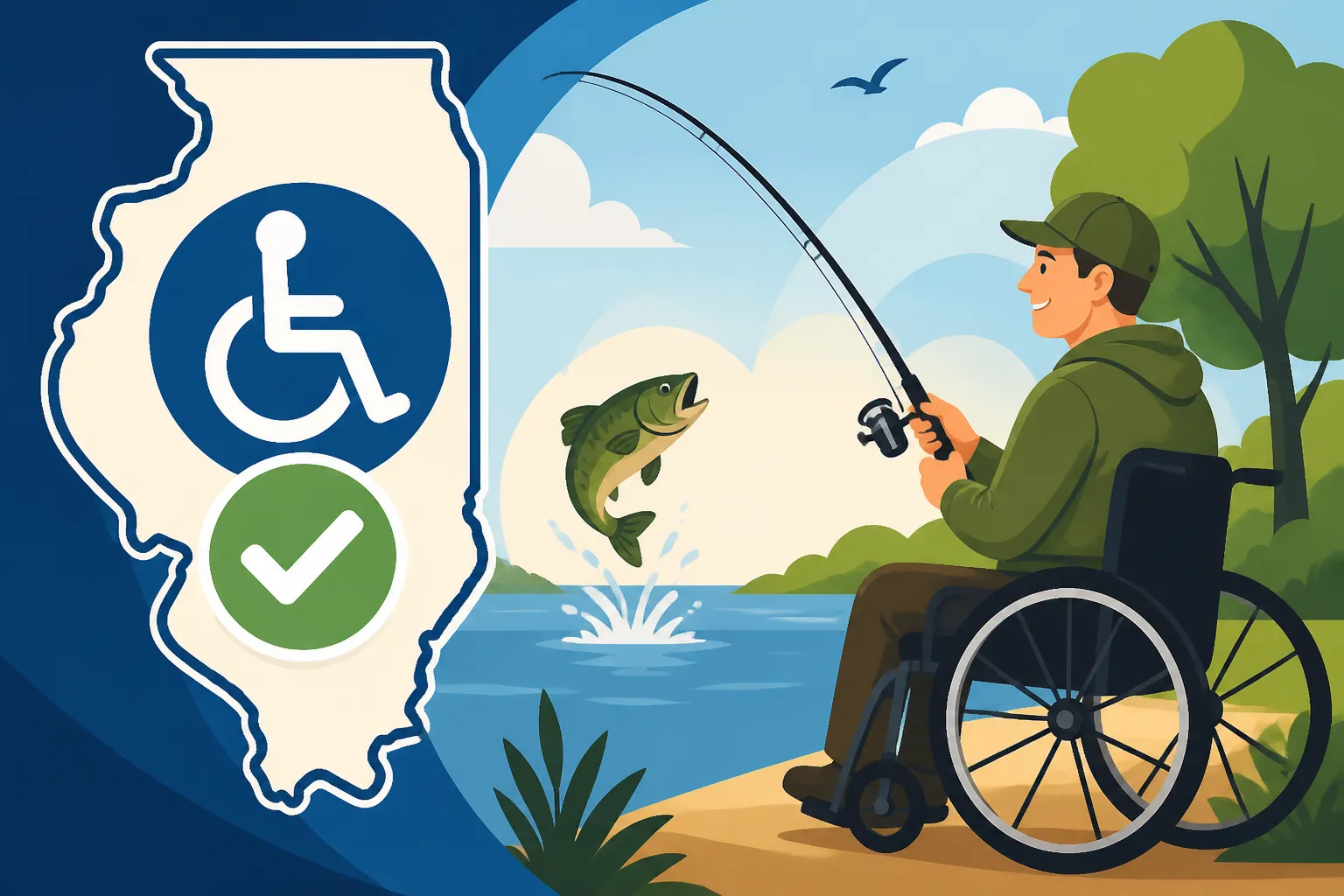
Illinois is home to countless lakes, rivers, and ponds, but not all are equally accessible for individuals with mobility challenges or other disabilities. Thankfully, the IDNR and various local park districts have invested in making many sites disability-friendly. When planning your trip, look for locations that specifically advertise accessible fishing piers, paved trails leading to the water's edge, or boat ramps with easy-access parking and gentle slopes.
Many Illinois State Park Fishing Spots, such as those at Shabbona Lake State Park or Rock Cut State Park, often feature well-maintained, universally accessible fishing piers equipped with railings and sometimes even specialized cutouts for wheelchairs. These piers are designed to put you right over the fish, making bank fishing less strenuous. For those who prefer boat fishing, look for boat ramps that have accessible restrooms nearby and ample parking space for vehicles with adapted equipment. Even the bustling Chicago Lakefront has numerous accessible spots for pier fishing. You can usually find detailed information on accessibility features for specific parks and waterways on the IDNR website or by contacting individual park offices. It’s always a good idea to call ahead and confirm the current conditions and accessibility features, as things can change with maintenance or weather. Checking site-specific rules before fishing an Illinois lake can also give you a heads-up on any unique regulations that might impact your day.
Essential Adaptive Fishing Equipment and Where to Find It
Adaptive fishing gear has revolutionized the sport for many disabled anglers, allowing them to overcome physical barriers and enjoy fishing independently. This equipment is designed with various needs in mind, from limited hand dexterity to wheelchair users, ensuring everyone can cast, reel, and land a fish.
For those with limited grip or arm strength, specialized rod holders that attach to wheelchairs or boat rails can be a game-changer. These holders keep the rod stable, allowing you to focus on reeling or simply enjoying the bite. Electric reels are another fantastic invention, eliminating the need for manual cranking and making it much easier to retrieve lines, especially when targeting larger fish or fishing in deep water. You can find a wide range of these adaptive fishing solutions, from specialized rod holders to comfortable seating and hands-free casting aids, often available on platforms like Amazon. Local specialized outdoor retailers might also carry some adaptive gear, or at least be able to order it for you. It's worth exploring options from brands like Rod-Runner or Equal-i-zer for their innovative solutions in hands-free fishing.
Beyond the specialized gear, even simple modifications to standard equipment can make a difference. Larger handle grips on reels, extended fighting butts on rods for leverage, or even specialized fishing chairs that offer more support and comfort can greatly enhance your experience. Don't be afraid to experiment with different setups. Many organizations dedicated to adaptive sports, such as Casting For Recovery or local chapters of disabled sports associations, can also provide guidance, resources, and even opportunities to try out different adaptive fishing equipment before you invest. This ensures you find the gear that best suits your individual needs, turning challenges into triumphs on the water.
Keeping Your License Current and Staying Informed
Just like any other angler, disabled residents in Illinois need to ensure their fishing license remains valid and that they are up-to-date on the latest regulations. This might seem like a small detail, but a lapsed license or ignorance of a rule could lead to unnecessary complications.
Understanding the Renewal Process
Once you've secured your initial disabled resident fishing license, you'll need to keep an eye on its expiration date. Illinois fishing licenses typically run annually, with the Illinois Fishing License Year Starts on March 1 and extending through the end of February the following year. This means regardless of when you purchased your license within that period, it will expire on February 28th or 29th.
For renewal, the process is generally quite similar to the initial application. You'll still be required to provide proof of your continued disability status, just as you did when you first applied. This ensures that the discounted rate continues to go to those who qualify. Many people find that Renewing an Illinois Fishing License Online is the easiest and quickest way to do this. You simply log into your IDNR account, select the renewal option, upload your updated disability documentation if prompted, and complete the payment. Alternatively, you can visit a licensed vendor in person with your current license and documentation. It's a good practice to renew a few weeks before the expiration date to avoid any last-minute rushes or potential interruptions to your fishing plans. Setting a reminder on your phone or calendar for early February can be a simple yet effective way to ensure you don't miss the renewal window.
Key Resources for Staying Up-to-Date on Regulations
Illinois fishing regulations are dynamic; they can change from year to year, sometimes even mid-season, based on fish population management, environmental factors, and conservation efforts. Staying informed is not just about avoiding penalties; it’s about being a responsible and ethical angler.
The primary resource for all current regulations is the official Illinois Department of Natural Resources (IDNR) website. They publish an annual Fishing Information Guide, which is often available online as a PDF, detailing all statewide and site-specific rules for species, size limits, daily catch limits, and more. This guide covers everything from Illinois Statewide Bass Fishing Limits to Illinois Walleye Size and Catch Limits and Why Fishing Rules Vary by Lake and River. Before any fishing trip, it's always wise to consult this guide, especially if you're venturing to a new body of water. You can also pick up a physical copy of the guide at most licensed vendors, including many local bait shops or sporting goods stores like those found on Amazon.
Beyond the official guide, consider signing up for email newsletters from the IDNR or following their social media channels. These platforms often provide timely updates on regulation changes, stocking reports, and other critical information that can impact your fishing. Engaging with local fishing forums or clubs can also be a fantastic way to learn about localized conditions and rules, as experienced anglers often share insights and updates. Being proactive about checking regulations means you can fish with confidence, knowing you're always in compliance and doing your part to preserve Illinois's natural resources for future generations.
Illinois Fishing License Costs Comparison for Residents
To illustrate the significant savings offered to disabled residents, here's a quick comparison of common annual fishing license costs in Illinois.
| License Type | Cost | Eligibility |
|---|---|---|
| Resident Annual Fishing License | $15.00 | Illinois Resident, Age 16-64 |
| Disabled Resident Annual Fishing License | $4.00 | Illinois Resident, with proof of disability (SSA/VA) |
| Resident Senior Fishing License (65-74) | $7.75 | Illinois Resident, Age 65-74 |
| Resident Super Senior Fishing License (75+) | $1.50 | Illinois Resident, Age 75 and over |
As you can see, the disabled resident annual fishing license provides a substantial discount, making fishing an accessible and affordable activity for those who qualify.
Disclaimer
The information provided in this guide is for general informational purposes only and is subject to change. While we strive to provide accurate and up-to-date content, fishing regulations, license costs, and accessibility features can vary. Always consult the official Illinois Department of Natural Resources (IDNR) website or contact them directly for the most current and specific information before planning your fishing trips or purchasing a license.