Illinois Tournament Anglers Still Need a Standard Fishing License
It's a common misconception, especially among those who regularly compete, that participating in an organized fishing tournament in Illinois might somehow exempt you from needing a standard state fishing license. The truth is, many anglers make this assumption, only to find themselves in a bind with conservation officers. This guide is here to set the record straight and ensure you understand why your personal Illinois fishing license is an absolute must, even when you're vying for a trophy.
The Core Requirement: Why a Standard License is Non-Negotiable
When you're caught up in the excitement of competition, it's easy to overlook the foundational rules of fishing. But in Illinois, just like anywhere else, state regulations form the bedrock of all angling activities, including tournaments. There's no special loophole for competitive fishing when it comes to personal licensing.
Dispelling the Myth of Tournament Exemptions
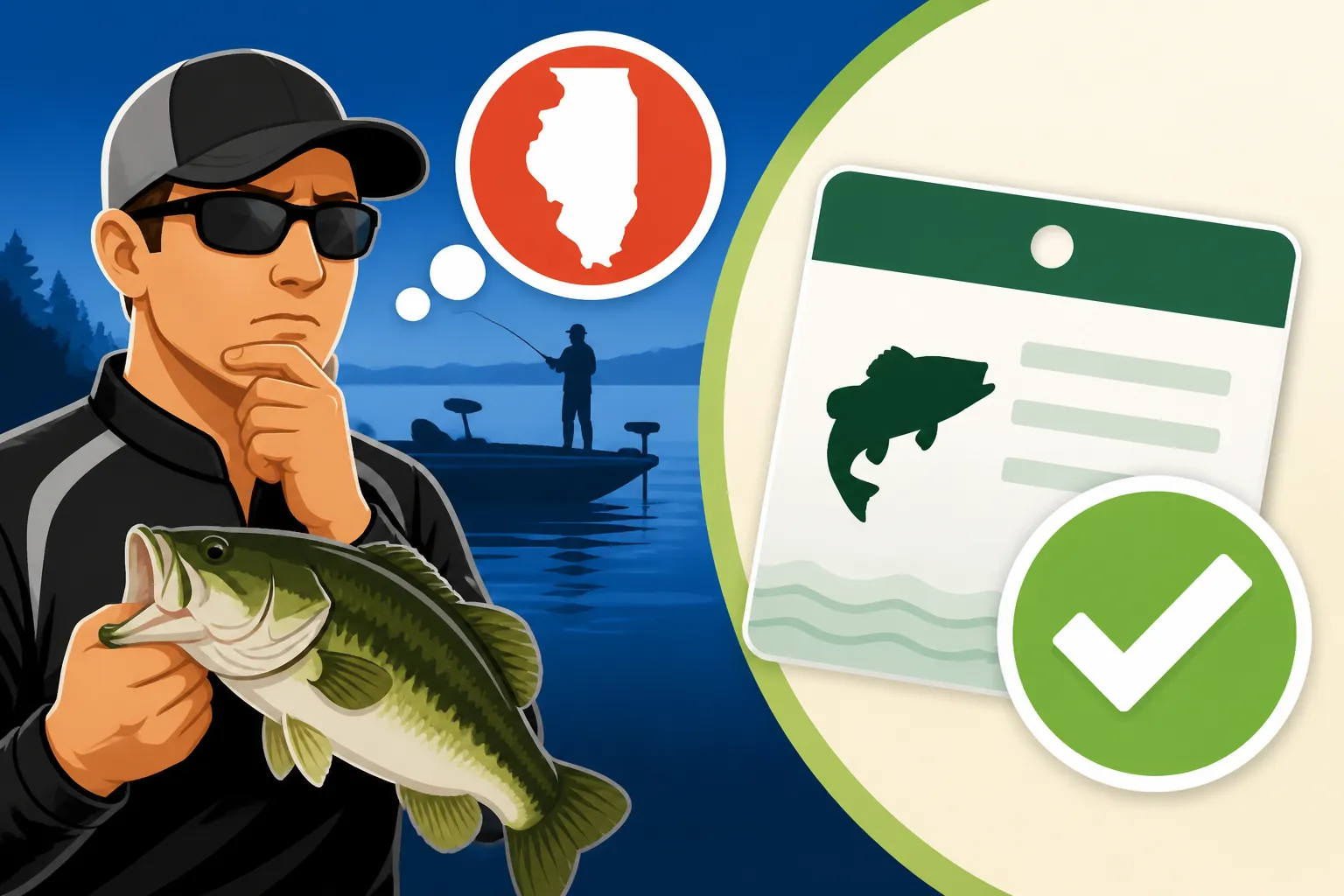
Let's be clear right from the start: there is no exemption from possessing a valid Illinois fishing license simply because you're fishing in a tournament. This is a crucial point that many anglers, new and seasoned alike, sometimes misunderstand. The Illinois Department of Natural Resources (IDNR) considers all individuals engaged in fishing activities, regardless of whether it's for sport, leisure, or competition, to be subject to the same fundamental licensing requirements. A tournament entry fee does not, in any way, replace the need for your personal license.
Imagine pulling up to the weigh-in station at a popular tournament on Lake Shelbyville or Rend Lake, only to have a conservation officer ask for your fishing license. If you don't have it, explaining that you thought the tournament covered it simply won't fly. You'd be facing potential fines and penalties, and likely disqualification from the event, which would be a heartbreaking end to your day, not to mention a costly one. Tournament organizers universally expect their participants to be fully compliant with state law, as their own permits and event approvals often hinge on this understanding. It’s always your individual responsibility to ensure you are legally able to fish.
What Kind of Standard License Do You Need?
So, if you definitely need a license, what kind should you get? The type of license you'll need depends primarily on your residency status and how long you plan to fish. For most Illinois residents participating in a tournament, an annual resident fishing license is the most common and cost-effective choice. This covers you for the entire license year, which runs from April 1st through March 31st of the following year. If you're an out-of-state angler visiting for a major event, you'll need an Illinois Nonresident Fishing License Guide. Depending on the duration of your trip, you might opt for a 24-hour, 3-day, or annual nonresident license. These options provide flexibility for those who only visit Illinois periodically for specific tournaments.
Beyond the basic fishing license, don't forget about additional stamps. If the tournament you're fishing targets species like trout or salmon, especially on waters that are regularly stocked or on Lake Michigan, you'll also need to purchase the appropriate Inland Trout Stamp Requirements or Lake Michigan Salmon Stamp Requirements for Anglers. For instance, if you're competing in a salmon derby on Lake Michigan, that salmon stamp is just as vital as your main fishing license. You can find detailed information on pricing and types in our comprehensive Illinois Fishing License Costs and Types guide, making it easy to figure out exactly what you need to be fully legal on the water.
Understanding Tournament-Specific Rules and Permits
While your personal fishing license is non-negotiable, it's true that tournaments themselves often operate under an additional layer of permits and rules. These regulations are usually the responsibility of the tournament organizers, but knowing they exist helps you understand the full picture of compliance.
Beyond the Personal License: Organizer Responsibilities
While you, as an individual angler, are responsible for your fishing license, the organizers of any major fishing tournament in Illinois have their own set of responsuresponsibilities. These usually involve obtaining specific permits from the Illinois Department of Natural Resources (IDNR) to host the event. These permits are crucial, especially for larger tournaments or those held on public waters like state parks or reservoirs. The IDNR reviews these applications to ensure the event will be managed responsibly, considering factors like fish health, environmental impact, and public access.
These permits are not a replacement for your personal license; rather, they are an additional layer of regulation that ensures the event itself complies with state guidelines. For example, a large bass tournament might require a special permit to allow for live weigh-ins and safe release practices, or to manage boat traffic on a busy lake. It's a testament to responsible event planning, making sure that competitive angling doesn't negatively impact the fishery or other recreational users. As a participant, you'll usually be informed by the organizers if there are any specific local rules or site-specific regulations tied to their permit, but your primary duty remains securing your own fishing credentials.
Special Regulations for Tournament Fishing
Sometimes, to facilitate fair competition and promote fish conservation, certain tournaments might operate under specific guidelines that slightly modify statewide rules. For instance, some bass tournaments might have specific "catch-and-release only" periods, or they might implement unique size limits or slot limits that differ from the general Illinois Statewide Bass Fishing Limits for a particular body of water. These are usually established in cooperation with the IDNR and explicitly stated in the tournament rules.
It’s important to understand that these special rules are typically additions or modifications to the standard regulations, not wholesale replacements. They don't negate the need for a license, but rather provide a framework for the specific competitive environment. Organizers will often have detailed rulebooks covering everything from livewell requirements to how fish must be handled during weigh-ins, all designed to minimize stress on the fish and ensure fair play. Always read the tournament rules carefully, and if anything seems unclear, don't hesitate to ask the tournament director for clarification. These unique regulations often go hand-in-hand with specific permits that event organizers have secured, allowing for practices that might not be permissible under everyday recreational fishing rules.
Practical Advice for Illinois Tournament Anglers
Navigating the world of fishing regulations can feel like a maze, especially when you add the layer of competitive events. But with a few simple steps, you can ensure you're always on the right side of the law and focused on catching fish, not fines.
How to Ensure You're Fully Compliant
Staying compliant as an Illinois tournament angler is simpler than it might seem, but it requires a bit of proactive effort. The very first thing you should do, well before tournament day, is visit the official Illinois Department of Natural Resources (IDNR) website. This is your go-to source for the most accurate and up-to-date information regarding all fishing regulations, license requirements, and any special permits. While you’re there, you can easily purchase your license online, which is often the quickest and most convenient way to do it. Our guide on How to Buy an Illinois Fishing License Online walks you through the process step-by-step.
Next, thoroughly review the specific rules provided by the tournament organizers. They will outline any unique weigh-in procedures, size limits, or catch rules that apply only to their event. If the tournament targets specific species like trout or salmon, double-check if you need any additional stamps beyond your basic fishing license. Many sporting goods stores, like those found on Amazon offering fishing gear, also sell Illinois fishing licenses directly, which can be a good last-minute option if you're already out shopping for tackle. Keep an eye out for information regarding the Illinois License Year Start Fishing Tips so you know when to renew your annual license and avoid any lapses. Remember, showing up prepared means one less thing to worry about when you're trying to win.
Consequences of Non-Compliance
Let's talk about the downside of not having that license or ignoring the rules, because it's not just a minor inconvenience; it can be a real headache. If a conservation officer checks your credentials during a tournament and you're found to be fishing without a valid license, you're looking at significant penalties. This isn't just a slap on the wrist. Fines can range from several hundred dollars, and in some cases, serious infractions can even lead to the confiscation of your fishing gear, including rods, reels, and even your boat. Imagine having your prized bass boat impounded because you skipped a $15 license. The financial hit alone can be substantial, not to mention the embarrassment and the immediate disqualification from the tournament.
Beyond the legal ramifications, there's the professional and ethical impact. Being cited for fishing without a license reflects poorly on you as an angler and on the tournament itself. It can even lead to being banned from future events. It's simply not worth the risk. Always carry proof of your license, whether it's a physical copy or digital proof on your phone. Many anglers prefer to keep a laminated copy in their tackle box and have a digital version readily accessible. Our guide on Carrying Digital Proof of Your Fishing License on Your Phone offers helpful tips on this. The consequences outlined in Penalties for Fishing Without a License in Illinois are very real, and they apply just as much to tournament anglers as they do to casual weekenders.
Essential Checks Before Every Tournament
Before you even launch your boat or cast a line in a tournament, take a few moments to go through a quick checklist. This isn't just about legality; it's about peace of mind. First, confirm your fishing license is current and valid through the entire duration of the event. If you need special stamps for specific species, make sure those are also in order. Second, review the tournament rule book one more time. Pay close attention to any unique length limits, bag limits, or handling procedures. These can sometimes differ from general state regulations to promote conservation or ensure fair play within the competition.
Third, ensure your livewell is functioning properly and meets any tournament requirements for aeration and water quality. Happy fish mean a better chance of a successful weigh-in and release. Finally, have your measuring board, weigh-bag, and any other required equipment clean and ready. Double-check all your safety gear as well, including life jackets and throwable PFDs, as these are often checked by officials or tournament staff. A smooth, stress-free start sets the tone for a great day of competitive fishing.
| Requirement Category | Standard Angler | Tournament Angler | Key Difference/Consideration |
|---|---|---|---|
| Personal Fishing License | REQUIRED | REQUIRED | No exemption for tournament participation. |
| Special Stamps (Trout/Salmon) | Varies by species | Varies by species/tournament | Required if target species demand it. |
| Tournament Permit (Event) | N/A | REQUIRED (by organizer) | Organizer's responsibility, not individual's. |
| Catch Limits | State-mandated | State-mandated (may have tournament modifications) | Tournaments might have stricter, but not looser, limits. |
| Size Limits | State-mandated | State-mandated (may have tournament modifications) | Check tournament rules for specific exceptions. |
| Fish Handling | General care | Specific livewell, weigh-in rules | Tournaments often have strict protocols for fish health. |
Disclaimer
The information provided in this guide is intended for general informational purposes only and does not constitute legal advice. While we strive to provide accurate and up-to-date information, fishing regulations and laws in Illinois are subject to change. Always consult the official Illinois Department of Natural Resources (IDNR) website or contact the IDNR directly for the most current and authoritative regulations before engaging in any fishing activities, especially competitive events. Compliance with all state and local laws is the sole responsibility of the individual angler.