Taking Kids Fishing in Illinois Without Buying a License
It's a common worry for parents who just want to share the joy of fishing with their little ones: Do I need to buy a whole separate fishing license for my child? The good news is, Illinois understands that fostering a love for the outdoors in kids is incredibly important, and they've made some provisions to make it easier. This guide will walk you through exactly how you can take your children fishing in Illinois without the added expense and hassle of obtaining a separate license for them, covering age exemptions, special events, and practical tips for a successful, stress-free family outing.
Understanding Illinois Fishing License Rules for Children
Navigating the rules and regulations can sometimes feel like trying to untangle a bird's nest of fishing line, especially when you're just starting out or introducing kids to the sport. But when it comes to licenses for youngsters, Illinois has a pretty straightforward approach designed to encourage family participation.
Age Exemptions for Young Anglers
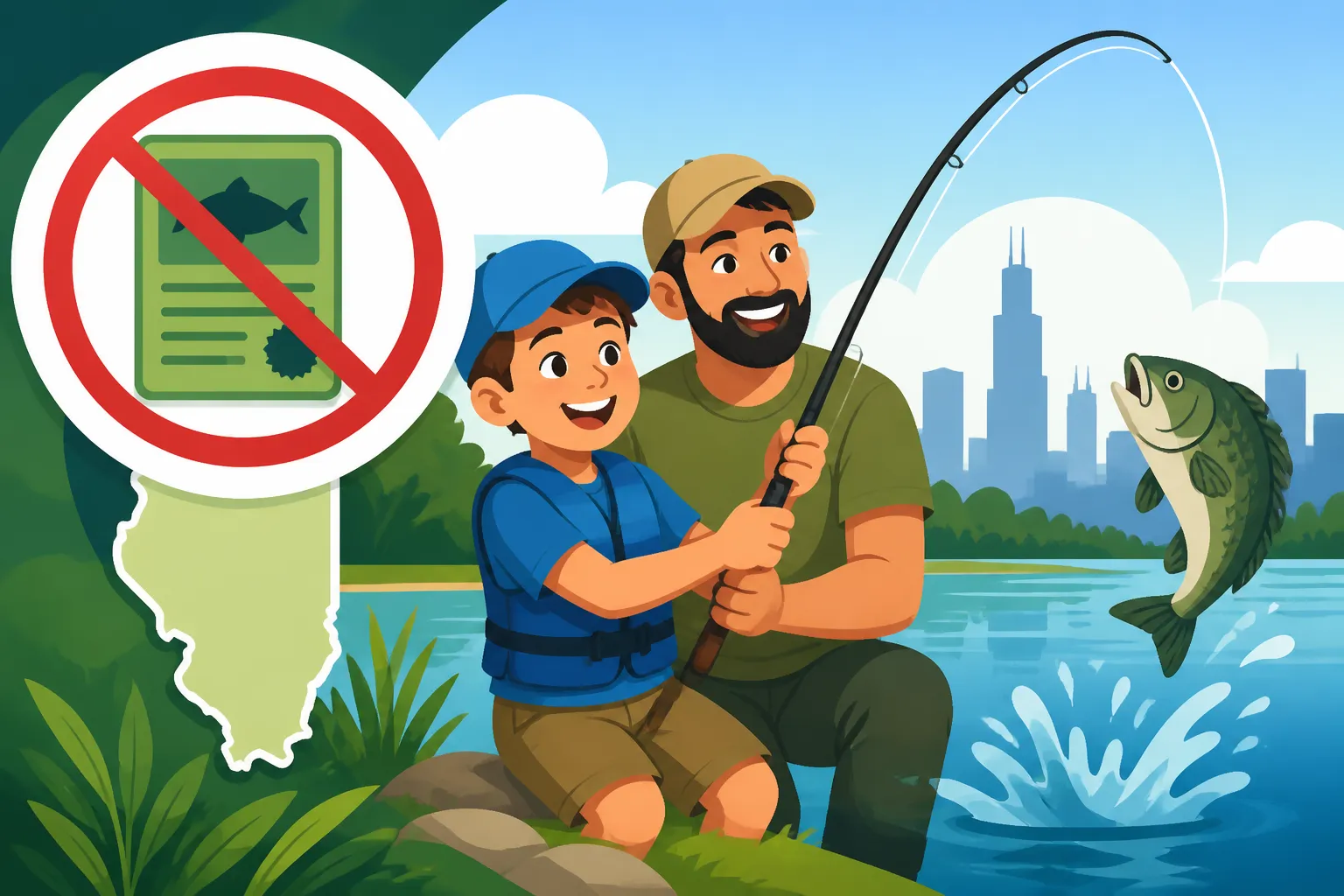
One of the most heartwarming aspects of Illinois's fishing regulations is the clear exemption for young children. If your child is under the age of 16, they do not need an Illinois fishing license to enjoy a day out on the water. This is a fantastic policy that truly removes a barrier for parents and guardians eager to introduce their kids to the tranquility and excitement of fishing. Imagine packing up the car, grabbing a few simple rods, and heading out to a local pond or lake without having to worry about purchasing an extra permit. It makes those spontaneous "let's go fishing" moments so much easier to realize.
This age exemption covers all residents and non-residents alike, which means if you have family visiting from out of state, their children can also fish without a license, as long as they meet the age requirement. It’s a thoughtful way the state encourages family-friendly outdoor activities. For a comprehensive look at who needs a license and who doesn't, you might want to check out our guide on Illinois Fishing License Rules for Kids and Seniors.
Distinguishing Between Fishing and Harvesting
While your children under 16 can absolutely fish without a license, it's crucial to understand the distinction between simply fishing and harvesting (keeping) fish. For the most part, if your child catches a fish and you decide to keep it, that fish counts towards the daily catch and possession limits of the accompanying licensed adult.
Let's say you're out with your 10-year-old on Lake Shelbyville. Your child reels in a beautiful crappie, and you both decide to take it home for dinner. As the licensed adult, that crappie will count against your daily crappie limit. The idea is to prevent adults from using their children's exemption as a loophole to exceed their own limits. This isn't usually an issue for a casual family trip, but it's good to be aware of if you're planning on keeping a larger haul. Most of the time, especially with kids, the joy comes from the catch itself, often followed by a gentle release back into the water. If you're unsure about specific limits, the Illinois Fishing Regulations Overview is always a good resource.
The Importance of Adult Supervision and Licensing
Even though your little ones are exempt from needing a license, the responsibility often falls on the accompanying adult. If you, as the parent or guardian, are 16 years of age or older and will be actively fishing alongside your child, then you will need a valid Illinois fishing license. This rule ensures that there's always a responsible, licensed individual overseeing the activity and abiding by all regulations.
Think of it as setting a good example. You're teaching your kids about respecting nature and following the rules, even as they enjoy the freedom of fishing without their own license. If you're just supervising and helping your child cast, bait a hook, or net a fish, but not actively fishing yourself, you might not need a license. However, the lines can get blurry quickly, and it's always safer to have your own license if you'll be actively involved in any way that could be interpreted as fishing. It's truly a minor investment for a day of making memories. If you still need to purchase one, our guide on How to Get an Illinois Fishing License can walk you through the process.
Navigating Illinois Free Fishing Days for Family Fun
Beyond the age exemptions, Illinois offers another fantastic opportunity for everyone, young and old, to cast a line without worrying about a license: Free Fishing Days! These are truly special occasions that make fishing accessible to absolutely everyone.
What Are Illinois Free Fishing Days?
Illinois's Free Fishing Days are designated periods when residents and non-residents alike can fish in public waters without needing a fishing license or an Inland Trout Stamp. These days are usually held over a long weekend, often coinciding with national events or holidays. For instance, in many years, the state designates the Father's Day weekend in June as a Free Fishing Days event, which is just perfect for family outings. It's the state's way of encouraging people to try fishing for the first time, or to simply enjoy the sport without the usual administrative requirements.
The specific dates can vary slightly year to year, so it's always a good idea to double-check with the Illinois Department of Natural Resources (IDNR) or refer to resources like our detailed Illinois Free Fishing Days and License-Free Weekends guide. Knowing these dates in advance can help you plan an unforgettable family adventure. For example, the Illinois Free Fishing Days 2026 Dates usually fall in June, offering a fantastic opportunity.
How Free Fishing Days Work for Kids and Adults
During Illinois Free Fishing Days, the rules are wonderfully simple: everyone can fish without a license. This means that not only do your kids under 16 get to fish for free, but you, as the accompanying adult, also get a break from needing your license. It’s a complete waiver for all ages and residency statuses for the duration of the event.
This makes it an ideal time to introduce children to fishing, as there's no confusion about who needs what permit. You can focus entirely on the fun of the experience – teaching them to cast, bait a hook, and the thrill of reeling in their first catch. While the license requirement is waived, all other fishing regulations, such as daily catch limits, size restrictions, and species-specific rules, still apply. It's important to be mindful of these to ensure responsible angling. These days are designed to promote fishing, not to encourage overharvesting.
Planning a Family Outing During Free Fishing Days
Making the most of Free Fishing Days requires a little bit of planning, but it's mostly about embracing simplicity and fun.
- Choose the Right Spot: Look for family-friendly fishing spots with easy bank access, picnic areas, and perhaps even playgrounds. Many Illinois State Parks offer great fishing opportunities. Spots known for panfish like bluegill or sunfish are usually ideal for kids because they're abundant and relatively easy to catch, offering almost instant gratification. Consider checking out lists like Best Fishing Spots for a Kid's First Fish in Illinois to find perfect locations.
- Keep Gear Simple: You don't need fancy equipment. A basic spincast rod and reel combo, some bobbers, hooks, and sinkers are usually all it takes. Simple baits like worms, corn, or even pieces of hot dog work wonders for panfish and smaller catfish.
- Focus on the Experience, Not the Catch: While catching fish is exciting, the real goal is to create positive memories. Let your child explore, skip rocks, or simply enjoy being outdoors. Teach them about the fish they might catch and the importance of conservation. Even if they don't catch a trophy, the time spent together is what truly matters.
- Pack Essentials: Don't forget water, snacks, sunscreen, insect repellent, a small first-aid kit, and perhaps some wet wipes for messy hands. A small cooler for drinks and any fish you might decide to keep is also handy.
Essential Gear and Best Practices for Fishing with Kids
Taking kids fishing isn't just about licenses; it's about making the experience enjoyable, safe, and memorable. Having the right (simple) gear and a few tried-and-true techniques can make all the difference.
Choosing Kid-Friendly Fishing Gear
When you're outfitting a young angler, simplicity and durability are your best friends. There's no need for expensive, complicated setups that will only lead to frustration.
- Rods and Reels: For kids, a spincast rod and reel combo is almost always the way to go. These systems are incredibly user-friendly, with a push-button casting mechanism that even toddlers can master with a little practice. Brands like Zebco or Shakespeare often offer affordable, colorful combos specifically designed for children. You can find many great options on Amazon that are perfectly suited for little hands. Look for rods around 4 to 5 feet long, as these are manageable for most elementary-aged children.
- Line: Stick with pre-spooled monofilament line, typically 6-8 pound test. It's strong enough for most panfish and small bass, and it's less prone to tangles than lighter lines.
- Terminal Tackle: Keep it minimal. A few small hooks (size 6-10), some split-shot weights, and a handful of bobbers are all you need. Bobbers are especially great for kids because they provide a visual indicator of a bite, adding to the excitement. A small tackle box or a compact organizer available on Amazon can keep everything tidy. Don't forget a pair of needle-nose pliers for hook removal – safety first! For tips on appropriate gear, you might find our article on Best Panfish Setup for Kids very helpful.
Simple Baits and Techniques That Guarantee Bites
The key to keeping kids engaged is frequent action. That means focusing on baits and techniques that are almost guaranteed to get a bite, even if it's from a smaller fish.
- Worms: The classic choice for a reason! Earthworms, nightcrawlers, or even red worms are irresistible to a wide variety of fish, especially panfish, bass, and catfish. They're easy to put on a hook and universally effective.
- Corn: Believe it or not, canned corn is a fantastic bait for bluegill, carp, and even some smaller catfish. It's clean, cheap, and kids can easily bait their own hooks with it.
- Hot Dogs: Cut into small pieces, hot dogs can be surprisingly effective for catfish and larger panfish. They stay on the hook well and have a scent that attracts fish.
- Bobber Fishing: This is the quintessential kid-friendly technique. Rig a bobber a foot or two above a small hook with a split-shot weight, add your bait, and cast it out. Watching the bobber dance and then suddenly dip under the water is pure magic for a child. This method is perfect for catching species like bluegill, which are often found near shore. For more detailed tips, check out our guide on Bluegill Fishing Techniques for Kids.
- Still Fishing on the Bottom: For slightly larger fish like catfish, you can rig a weight below your hook and let your bait sit on the bottom. This is a patient approach, but can yield bigger rewards.
Remember, the goal is quantity over size when fishing with kids. Catching lots of smaller fish keeps their attention and builds their confidence. Finding spots known for panfish where you can catch bluegill, sunfish, and crappie will make for a very exciting day. These are often considered the Easiest Fish to Catch for Beginners.
Safety First: Tips for a Worry-Free Fishing Trip
A fun fishing trip is a safe fishing trip. When you're out with children, their safety is paramount.
- Life Jackets: If you're near or on the water (especially in a boat or near strong currents), ensure all children wear properly fitted life jackets. Illinois law often mandates life jackets for children under certain ages, even if just near the water. Even for shore fishing, if there's any risk of falling in, a life jacket provides peace of mind.
- Sun Protection: Illinois summers can be brutal. Pack sunscreen, wide-brimmed hats, and sunglasses. Seek shade whenever possible, especially during peak sun hours.
- Hydration and Snacks: Kids burn energy quickly. Bring plenty of water and easy-to-eat snacks to keep their energy levels up and prevent meltdowns.
- Hook Safety: This is perhaps the most important safety aspect around fishing. Teach kids how to handle hooks carefully from the beginning. Always watch them closely when baiting hooks or removing fish. Keep a small first-aid kit handy for minor cuts or punctures. Consider using barbless hooks for easier and safer hook removal, both for the fish and for tiny fingers.
- Environmental Awareness: Teach them about avoiding poisonous plants like poison ivy, being aware of uneven terrain, and respecting wildlife. Pack out everything you pack in, and perhaps even pick up a piece of litter or two to leave the area better than you found it.
By keeping these tips in mind, you can ensure that your family fishing trip is not only successful in terms of catching fish (or at least having fun trying!) but also safe and enjoyable for everyone.
| Angler Age Group | Illinois Resident | Illinois Nonresident | License Required (Non-Free Days) |
|---|---|---|---|
| Under 16 years | Yes | Yes | No |
| 16-64 years | Yes | Yes | Yes |
| 65-74 years | Yes | No | Yes (Discounted) |
| 75+ years | Yes | No | Yes (Significantly Discounted) |
| All ages during Illinois Free Fishing Days | Yes | Yes | No |
Disclaimer
Please remember that fishing regulations can change. While this guide provides the most current information available, it's always a good practice to consult the official Illinois Department of Natural Resources (IDNR) website or their current Fishing Regulations Guide before heading out on your trip. This ensures you have the absolute latest information and are fully compliant with all state laws.