What Happens If You Fish Without a License in Illinois?
It’s a scenario many anglers dread: you’re out on a beautiful Illinois lake or river, casting your line, enjoying the peace, and suddenly a Conservation Police Officer approaches, asking for your fishing license. Forgetting it, or worse, never having bought one, can quickly turn a relaxing day into a stressful, and expensive, ordeal. This comprehensive guide will walk you through exactly what happens if you’re caught fishing without a license in Illinois, the penalties you might face, and how to ensure you’re always on the right side of the law.
The Immediate Consequences of Fishing Without a License in Illinois
Let's be real, no one wants to deal with legal trouble, especially when you're just trying to enjoy a hobby. Being caught without a valid Illinois fishing license isn't just a slap on the wrist; it carries real consequences that can quickly ruin your day and lighten your wallet. Understanding these repercussions is the first step to making sure you're always prepared.
Understanding the Charges: Petty Offense vs. Misdemeanor
In Illinois, fishing without a license is generally classified as a petty offense. Now, "petty offense" might sound minor, but it doesn't mean it's without consequence. A petty offense means you're not facing jail time for this specific infraction alone, but you will almost certainly be subject to fines and court costs. It's similar to a traffic ticket in that regard – something you absolutely need to address, but not something that will land you behind bars.
However, it's crucial to understand that this can escalate. If you're a repeat offender, or if fishing without a license is just one of several violations you're committing (like exceeding daily catch limits or using illegal gear), the situation can become much more serious, potentially leading to misdemeanor charges. A misdemeanor, unlike a petty offense, can carry the possibility of jail time, along with higher fines and a criminal record. Imagine getting caught without a license and with 30 crappie when the limit is 15 – that's when things get compounded and much more problematic.
Financial Penalties: Fines and Court Costs
The most immediate and tangible consequence of fishing without a license in Illinois is the financial hit. While there isn't a single, fixed fine that applies universally, you can generally expect a minimum fine of around $75 to $120 for a first offense. But don't let that number lull you into a false sense of security. Depending on the county, the specific circumstances, and any additional violations, fines can easily climb into the hundreds, potentially reaching up to $1,000 or more, especially if court appearances and additional penalties are involved.
Beyond the initial fine, you’ll also be responsible for court costs and administrative fees, which can quickly add another $100-$200 to the total. So, what might seem like a simple oversight could cost you upwards of $200-$300, or even substantially more, for an annual license that might only cost you around $15. It’s a stark reminder that paying for a license upfront is always the cheaper and less stressful option.
Potential Loss of Fishing Privileges
While immediate jail time is rare for a first-time, standalone license violation, one of the most significant long-term consequences, particularly for repeat offenders or those involved in more serious violations, is the potential suspension or revocation of your fishing privileges. The Illinois Department of Natural Resources (IDNR) takes these matters seriously, and if you continually disregard the regulations, they can and will suspend your ability to legally fish in Illinois waters for a set period.
This isn't just about losing the right to fish; if you also hold hunting licenses, those can be affected as well. This reciprocal agreement means that a serious violation in one area can impact your other recreational permits. Imagine being an avid angler and hunter, only to have all your licenses revoked for several years because you kept pushing your luck with fishing regulations. It’s a penalty that truly impacts your ability to enjoy the outdoors in Illinois.
How Enforcement Works on the Water
It's natural to feel a bit nervous when you see a law enforcement boat approaching, but understanding who is checking your license and what to expect can help ease that tension. Conservation Police Officers are out there for a reason: to protect Illinois' natural resources and ensure fair play for everyone.
Who Can Check Your Fishing License in Illinois?
The primary individuals authorized to check your fishing license in Illinois are Conservation Police Officers (CPOs) from the Illinois Department of Natural Resources (IDNR). These officers are fully sworn peace officers with the same authority as any other police officer in the state, but their focus is specifically on enforcing conservation laws related to hunting, fishing, boating, and natural resource protection.
You might also encounter county sheriffs or local police in certain areas, particularly on larger public waters or within city limits along rivers and lakes like those along the Chicago Lakefront. While CPOs are the specialists, any sworn law enforcement officer can inquire about your compliance with state laws. Their job is to ensure that everyone is abiding by the rules, which ultimately helps maintain healthy fish populations and a safe environment for all anglers.
What to Expect During a License Check
A license check by a CPO is typically a routine interaction. They will approach your boat or your position on the bank, identify themselves, and politely ask to see your fishing license and a form of identification, such as a driver's license. They might also ask about your catch for the day, the types of fish you're targeting, and the methods you're using.
It's important to be cooperative, respectful, and honest during these encounters. Their goal isn't usually to "get" people, but to ensure compliance. Have your license ready – either a physical copy or easily accessible digital proof on your phone. If you truly forgot your license at home, and it's your first offense, a CPO might sometimes exercise discretion, but don't count on it. The safest bet is always to have it with you. Remember, they are protecting resources, and your cooperation makes their job easier and ensures a quicker interaction.
Digital Proof vs. Physical License
In this digital age, many states, including Illinois, recognize the convenience of carrying your fishing license on your phone. When you purchase an Illinois fishing license online, you'll usually receive an email confirmation with a printable version of your license. You can typically display this digital copy on your smartphone or other mobile device as proof of purchase.
However, while digital proof is generally accepted, it's always a good idea to have a physical copy, too, especially if you plan to fish in remote areas where cell service might be spotty. What if your phone battery dies? What if it falls in the water? A laminated physical copy in your tackle box or wallet is a reliable backup. Don't rely solely on your phone if you know you'll be out of service range or risk losing charge. Always be prepared!
Beyond Just the License: Other Common Violations
Often, fishing without a license isn't the only rule anglers bend or break. These additional violations can significantly increase the severity of the penalties and demonstrate a greater disregard for conservation efforts. Understanding these common pitfalls can help you avoid compounding your problems if you ever find yourself in a bind.
Exceeding Daily Catch Limits
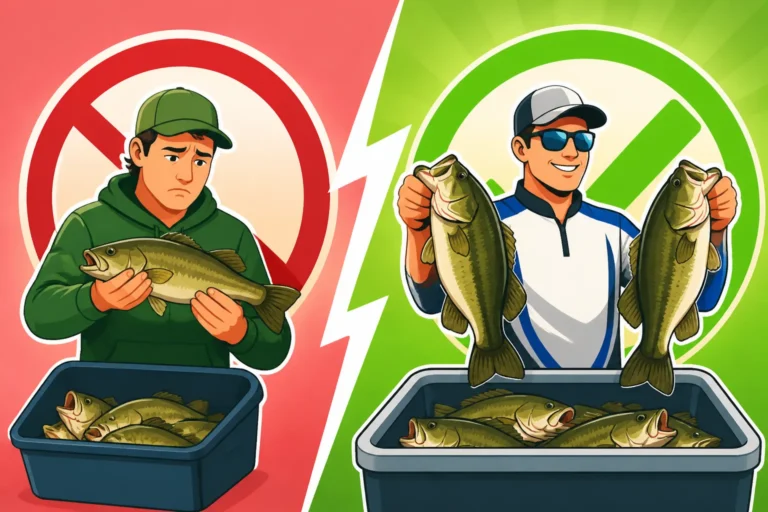
One of the most frequent companion violations to fishing without a license is exceeding the daily catch limit for a particular species. Illinois has specific regulations for the number of fish you can keep per day for species like bass, crappie, walleye, and catfish. For example, the Illinois Statewide Bass Fishing Limits dictate how many bass you can keep, and these numbers vary by species and sometimes by specific water bodies.
If you're caught fishing without a license and with more fish than legally allowed, the penalties can escalate rapidly. Exceeding limits is a direct threat to fish populations and is treated very seriously. Not only will you face fines for the license violation, but you'll also incur fines for each fish over the legal limit, and potentially face confiscation of your catch and gear. It's not just about getting caught; it's about the impact on the fishery, which is why the IDNR emphasizes adherence to these crucial rules.
Fishing During Closed Seasons or in Restricted Areas
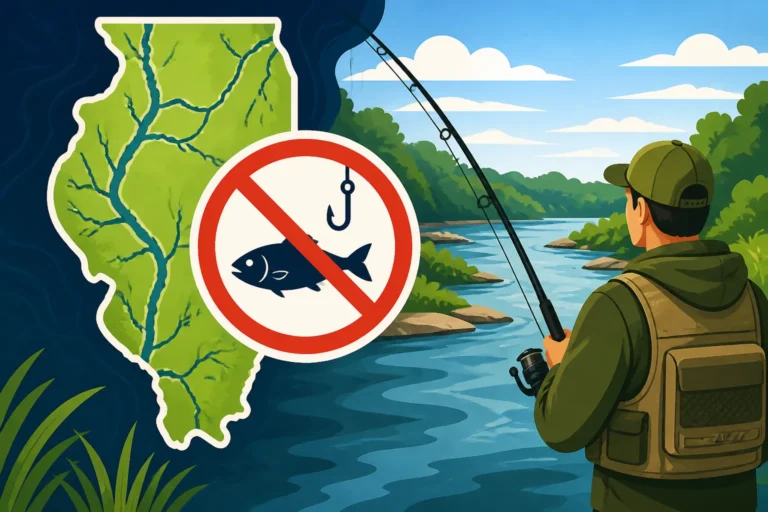
Illinois also has specific fishing seasons for certain species and designated closed areas to protect spawning fish or sensitive habitats. For instance, some waters might have "catch-and-release only" periods, or certain areas might be completely off-limits to fishing to protect fish during critical spawning times. The Illinois Fishing Season and Catch Limit Rules provide detailed information on these timings and restrictions.
Fishing without a license in a closed area or during a prohibited season signals a double infraction. This not only shows a disregard for basic licensing requirements but also a contempt for critical conservation measures designed to sustain fish populations for future generations. The penalties for such violations are often higher than a simple license infraction because the impact on the ecosystem is considered more severe. Always check the current Illinois Fishing Information Guide for site-specific rules before you wet a line.
Using Unlawful Gear or Methods
Another serious violation that can occur alongside not having a license is using illegal fishing gear or methods. This includes everything from using too many lines, snagging fish (except where explicitly allowed for certain species like Asian Carp), or using illegal nets or traps. In Illinois, you're generally limited to two poles and lines, or a trotline (with specific regulations) for certain species like catfish.
The use of unlawful gear is often associated with efforts to take more fish than legally allowed or to catch fish in an unethical manner. This isn't just a regulatory issue; it's an ethical one. Penalties for these types of violations can be extremely severe, including substantial fines, confiscation of all equipment involved (boats, rods, reels, nets), and long-term suspension of fishing privileges. A CPO is highly trained to spot these discrepancies, and ignorance of the law is never an excuse.
The Easy Way to Stay Legal: Getting Your Illinois Fishing License
Given all the potential headaches and costs associated with fishing without a license, the simplest and most cost-effective solution is always to just get one. It’s an inexpensive investment that protects you and supports the vital conservation efforts that keep Illinois fisheries healthy and thriving.
Where and How to Purchase a License
Getting an Illinois fishing license is incredibly easy and convenient these days. The most straightforward method is to purchase it online directly through the Illinois Department of Natural Resources (IDNR) website. This process is quick, secure, and you can print your license immediately or save it digitally on your phone. This is also how you can go about Renewing an Illinois Fishing License Online when the time comes.
If you prefer to buy in person, you have plenty of options. Most bait and tackle shops across the state are authorized vendors, as are many sporting goods stores like those you might find on Amazon, or chains like Dick's Sporting Goods, and even some Walmart locations. Just look for the signs advertising "Illinois Fishing Licenses Sold Here." When buying in person, make sure to bring a valid ID. These local vendors are often great sources of local fishing tips too!
Understanding License Types and Costs
Illinois offers several types of fishing licenses to suit different needs. For most resident anglers, the annual fishing license is the most common and cost-effective option if you plan to fish more than a few times a year. There are also 24-hour fishing licenses for those spur-of-the-moment trips or for visitors who only plan to be in Illinois for a short period. For our more seasoned anglers, there are also special discounts available, such as Illinois Senior Fishing License Discounts for Ages 65 to 74 and the very affordable Illinois Super Senior Fishing License for Ages 75 and Up.
The cost of a fishing license is minimal compared to the potential fines for being caught without one. A resident annual fishing license for 2026, for instance, is a small price to pay for a full year of legal fishing. This small fee contributes directly to the IDNR's efforts in managing fish populations, stocking lakes, habitat restoration, and enforcing regulations, ensuring that future generations can enjoy the same great fishing opportunities. Think of it as your contribution to keeping the waters healthy and teeming with fish!
Here's a quick comparison to put things in perspective:
| License Type (Resident) | Approximate Cost (2026) | Potential Fine (First Offense) | Additional Court/Admin Fees | Total Potential Cost of Violation |
|---|---|---|---|---|
| Annual Fishing License | $15.00 | $75 – $120 | $100 – $200 | $175 – $320+ |
| 24-Hour Fishing License | $5.50 | $75 – $120 | $100 – $200 | $175 – $320+ |
| Senior Fishing License (65-74) | $7.75 | $75 – $120 | $100 – $200 | $175 – $320+ |
| Super Senior Fishing License (75+) | $1.25 | $75 – $120 | $100 – $200 | $175 – $320+ |
As you can see, the cost of a license is a tiny fraction of what you could end up paying in fines and fees. It’s a no-brainer to simply buy the license. You can find more details on these costs in our guide, Illinois Fishing License Costs and Types.
Disclaimer
The information provided in this guide is for general informational purposes only and does not constitute legal advice. Fishing regulations in Illinois can change, and site-specific rules often apply. Always consult the most current Illinois Fishing Information Guide published by the Illinois Department of Natural Resources (IDNR) or their official website for the most accurate and up-to-date regulations before engaging in any fishing activities. Compliance with all state and local laws is the sole responsibility of the individual angler.