Illinois Flathead Catfish Limit of 10 Fish Per Day
There's nothing quite like the thrill of hooking into a big flathead catfish in Illinois – their brute strength and distinct fighting style make them a favorite among many anglers. But navigating the specific regulations around these powerful fish can sometimes feel like trying to untangle a particularly stubborn fishing knot. Many folks wonder about the daily limits, size restrictions, and how to stay on the right side of the law. This guide is here to clear up all those questions, focusing on the Illinois flathead catfish limit of 10 fish per day, and arm you with the knowledge you need for a successful and compliant outing.
Understanding Illinois' Flathead Catfish Regulations
Catching flathead catfish is a unique experience. Unlike their channel or blue catfish cousins who often feed on prepared baits, flatheads are ambush predators that prefer live bait, making them a true trophy for many. Because of their predatory nature and slower growth rate compared to some other species, managing their population through regulations is crucial.
Why Daily Limits Matter for Flathead Catfish
You might wonder why the Illinois Department of Natural Resources (IDNR) sets specific daily limits on fish like flatheads. It's not just to make your life harder, I promise! These limits are put in place for really important reasons, primarily conservation and ensuring that our precious fisheries remain healthy and sustainable for future generations. Flathead catfish, with their more solitary nature and typically slower reproductive rates compared to prolific species like bluegill or even channel catfish, are particularly sensitive to overfishing. Without proper management, it would be all too easy for angler pressure to deplete local populations, leading to fewer and smaller fish for everyone down the line. It's about finding that delicate balance between allowing anglers to enjoy their sport and protecting the long-term health of our aquatic ecosystems.
The Statewide Daily Limit: 10 Fish Per Day
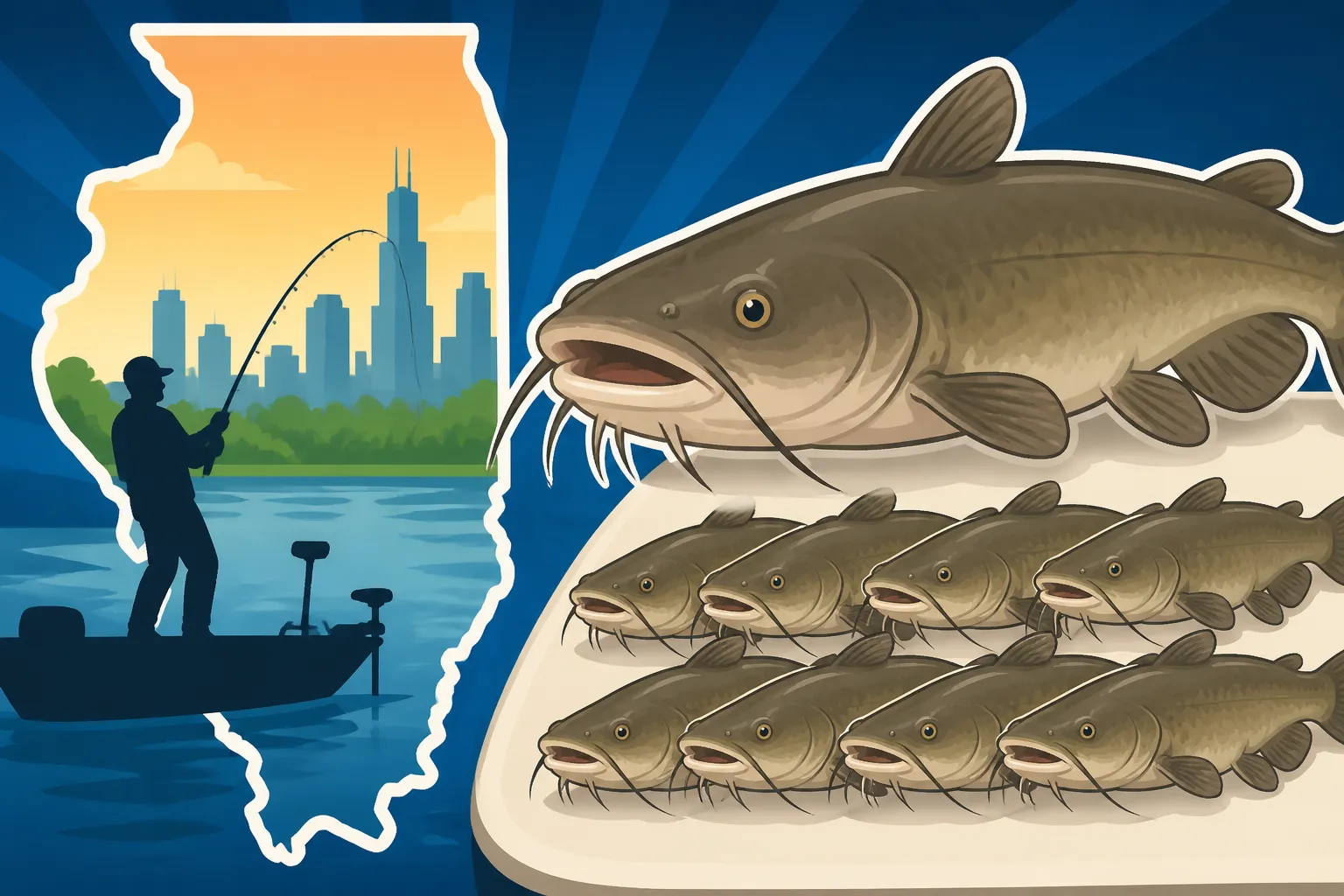
So, let's get right to it: for the vast majority of public waters across Illinois, the statewide daily creel limit for flathead catfish is 10 fish per day. This means that in a single 24-hour period, you are permitted to harvest and keep no more than ten flathead catfish from any public waterway where this general rule applies. This limit is designed to provide ample opportunity for anglers to bring home a decent meal while preventing excessive pressure on the flathead population.
It's a straightforward number, but easy to forget when the bite is hot and you're having a blast. Imagine you're out on the Mississippi River, perhaps near Alton, and the flatheads are hitting your live bluegill consistently. You're reeling them in, one after another, and it’s easy to lose count. Before you know it, you might have 12 or 15 in your cooler. That’s why it’s always a good idea to keep a mental tally, or even a physical one, especially when you're targeting multiple species or fishing in a spot known for its flathead action. This limit generally applies to all flatheads you catch, regardless of size, in most waters unless otherwise specified.
No Statewide Size Limit, But Site-Specific Rules Apply
Here’s a common point of confusion for many anglers: while there is a clear daily numerical limit for flathead catfish in Illinois, there is no statewide minimum or maximum size limit. This means that, under the general statewide regulations, if you catch a flathead that is, say, 12 inches long, it counts towards your 10-fish daily limit, just as a 30-inch flathead would. This differs significantly from species like walleye or some bass, which often have strict length restrictions.
However, and this is a big however, this doesn't mean you can just assume there are no size restrictions anywhere. It is absolutely critical to remember that specific bodies of water, such as certain lakes, reservoirs, or stretches of rivers, can and often do have their own unique site-specific regulations. These local rules might include different daily limits, slot limits (where fish within a certain size range must be released), or even minimum size requirements. For example, a particular state park lake might have a more restrictive daily limit for flatheads, or even a "no harvest" rule for fish over a certain length to promote trophy potential. Always, always check the localized regulations for your chosen fishing spot before you wet a line.
Navigating Site-Specific Flathead Catfish Limits in Illinois
While the statewide daily limit of 10 flathead catfish provides a good baseline, the truth is, fishing in Illinois often involves a deeper dive into regulations. Our state has such a diverse range of waterways, from vast reservoirs to winding rivers and small local ponds, and many of these have their own specific management plans. This means that the 10-fish limit might not apply universally.
Where to Find Localized Regulations
So, how do you find these elusive, localized regulations? It’s not as hard as it sounds, but it does require a bit of proactive research before you head out. The absolute best resource is the Illinois Department of Natural Resources (IDNR). Every year, they publish the official Illinois Fishing Information Guide Covers April 2026 Through March 2027, which is an invaluable tool for every angler. You can find this guide online as a downloadable PDF, or pick up a physical copy at most bait shops, sporting goods stores like Cabela's, or IDNR offices.
Within this guide, you’ll find a comprehensive list of specific lakes, rivers, and impoundments, often with their own unique rules for various species, including flathead catfish. Beyond the official guide, local bait and tackle shops are often goldmines of information. The folks who run these places are usually seasoned anglers themselves and know the nuances of the local waters intimately. Don't be shy about asking them about current limits or any special regulations for the specific lake or river you're planning to fish. It's better to ask a quick question than to face a citation.
Examples of Site-Specific Variations
To give you a clearer picture, let's consider a few hypothetical scenarios that mirror real-world variations. While the statewide limit is 10 flatheads, some smaller, more intensely managed lakes might have a daily limit of only 5 fish, or even a protective slot limit. A slot limit means you can keep fish below a certain size (e.g., under 18 inches) and above another size (e.g., over 30 inches), but any fish caught within the "slot" (18-30 inches) must be immediately released. This is often done to protect the prime breeding stock.
Consider the mighty Mississippi River or the Illinois River. These are massive systems, and while general statewide rules might apply to much of their length, specific pools or tributary junctions could have special regulations, perhaps due to ongoing studies or conservation efforts. For instance, a stretch of a river known for producing exceptionally large flatheads might have a reduced daily limit to preserve the trophy potential. Always double-check the IDNR guide’s section for the specific waterway you're targeting. For a broader view of how these rules differ, you might want to read up on Why Fishing Rules Vary by Lake and River.
The Impact of Special Regulations on Flathead Catfish Management
These site-specific regulations aren’t just arbitrary rules; they are carefully crafted management tools. They reflect the unique characteristics of each waterway, taking into account factors like fish population density, growth rates, spawning success, and the level of angling pressure. For example, a small lake that receives heavy fishing pressure might have a more conservative limit to prevent overharvest, ensuring that there are enough fish left to reproduce and grow. Conversely, a larger, less pressured system might adhere more closely to the statewide guidelines.
Special regulations are also used to achieve specific conservation goals. A slot limit, for instance, aims to protect medium-sized fish, which are often the most prolific breeders, allowing them to contribute more to the population before being harvested. This tailored approach helps maintain robust and diverse fish populations, providing healthy fishing opportunities across the state. Understanding the "why" behind these rules can really deepen your appreciation for the complexities of fisheries management.
Practical Tips for Adhering to Flathead Catfish Limits
It's one thing to know the rules, and another to practically apply them when you're out on the water, especially when the fish are biting! Staying compliant with the 10-fish daily limit for flathead catfish is essential, and with a few simple habits, you can ensure your fishing trip is both rewarding and legal.
Counting Your Catch Accurately
When you're in the zone, reeling in flatheads, it's surprisingly easy to lose track. A good strategy is to establish a clear method for counting your catch from the get-go. Some anglers use a small clicker counter, others mark a tally on a cooler lid, or simply tie a knot in a spare piece of line for each fish kept. If you're fishing with a buddy, agree on who is counting and how you'll keep track together. Remember, the daily limit is for the individual angler, not the boat, unless otherwise specified for specific tournament rules. If you and a friend are both licensed and fishing, you each have your own 10-fish limit.
It’s also important to distinguish between a daily limit and a possession limit. For most species in Illinois, the possession limit is the same as the daily limit, meaning you can't have more than 10 flatheads in your possession at any given time, whether they're fresh from the water or in your freezer at home from previous trips. When you're cleaning fish from a successful trip, make sure you don't keep more than your legal possession limit from multiple days of fishing. Always be honest with yourself and the regulations.
Releasing Fish Ethically When You Reach Your Limit
Let's say you've hit your limit of 10 flatheads, but the bite is still on fire. What do you do? You switch to catch-and-release! Releasing fish ethically is crucial for their survival and for the health of the fishery. Flathead catfish are generally pretty tough fish, but proper handling dramatically increases their chances of survival after release.
First, try to land the fish quickly to minimize stress. Use a net with rubberized mesh if possible, as it's gentler on their slime coat and fins than traditional nylon nets. Avoid dragging fish onto dry land or rocks. Once landed, handle the fish as little as possible. If you need to take a photo, do it quickly and support the fish horizontally with both hands, especially larger ones, to avoid damaging their internal organs or spine. Wet your hands before touching the fish to protect its protective slime layer. Use de-hooking tools like needle-nose pliers or a hook remover, easily found on Amazon, to remove hooks quickly and cleanly. If a fish is deeply hooked, it’s often best to cut the line as close to the hook as possible rather than trying to rip it out, which can cause severe internal damage. Gently lower the fish back into the water and allow it to swim off on its own power. Sometimes, especially with larger fish, a gentle hold of the tail and supporting the belly until it kicks strong is all it needs.
Consequences of Exceeding the Daily Limit
It’s never fun to talk about the downsides, but it’s essential to be aware of the consequences of not adhering to fishing regulations. Exceeding your daily limit for flathead catfish, or any species, is considered a violation of state law. If a Conservation Police Officer (CPO) checks your cooler and finds you're over the limit, you could face significant penalties.
These consequences typically include fines, which can range from a few hundred dollars to more, depending on the severity and number of fish over the limit. In some cases, especially for repeat offenses or egregious violations, you could even face the suspension of your fishing license. Beyond the legal ramifications, there's also the ethical consideration. Overharvesting harms the fishery that we all enjoy, impacting the opportunities for others and for future generations. Ignorance of the law is generally not considered an excuse, so taking the time to understand the Illinois Fishing Regulations Overview and specific site rules is paramount. Remember, CPOs have the authority to check your catch and your license at any time, even on the water, so always be prepared and respectful.
Best Practices for Flathead Catfish Anglers
Beyond simply knowing the limits, adopting best practices when targeting flathead catfish can significantly enhance your success and enjoyment, all while ensuring you’re a responsible steward of Illinois’ waterways. These powerful fish demand respect, and a little preparation goes a long way.
Recommended Gear for Targeting Flatheads
Flathead catfish are formidable opponents, often growing to impressive sizes in Illinois’ rivers and lakes. This means you need gear that can stand up to their incredible pulling power. Don't show up with your ultralight panfish rod! You'll want a heavy-action rod, typically 7 to 8 feet long, capable of handling heavy lines and big baits. Paired with this should be a strong baitcasting reel, spooled with at least 50-80 pound braided line or 20-30 pound monofilament. The heavy line is not just for fighting the fish; it’s also crucial for getting your bait back from snags, which are common in flathead habitat.
Your terminal tackle needs to be robust as well. Large, strong circle hooks (sizes 5/0 to 10/0 are common) are preferred by many flathead anglers. Circle hooks are designed to hook fish in the corner of the mouth, reducing gut-hooking and improving the chances of a healthy release if you decide to let one go. Heavy sinkers (2-6 ounces) are essential for holding your bait on the bottom in current. You can find a vast array of these heavy-duty rods, reels, line, and hooks on online marketplaces like Amazon, making it convenient to assemble your perfect flathead setup.
Effective Baits and Techniques
Flathead catfish are primarily piscivores, meaning they eat other fish. While channel catfish will happily munch on stink baits and cut baits, flatheads overwhelmingly prefer live bait. Small bluegill, green sunfish, shad, or suckers are incredibly effective. Make sure any live bait you use is legal to catch and possess in the waters you are fishing; often, this means using bait caught from the same body of water or purchased from a licensed dealer. Using live bluegill as bait can be particularly effective.
The most common technique for flathead fishing is bottom fishing. This involves rigging your live bait on a slip-sinker rig or a three-way swivel rig, allowing the bait to swim naturally near the bottom where flatheads lurk. Look for flatheads in areas with strong current, submerged timber, rock piles, or deep holes in rivers and large lakes like the Mississippi River or Kinkaid Lake. Night fishing is also incredibly productive for flatheads, as they are largely nocturnal predators. If you're looking for more general catfish advice, check out our guide on Catfish Bottom Fishing Techniques. Some experienced anglers also use trotlines or jug fishing techniques, but these come with their own set of specific regulations regarding tagging, number of hooks, and tending times, so always consult the IDNR guide before attempting these methods.
Conservation and Future of Flathead Catfishing
Beyond just following the rules, true angling satisfaction comes from a commitment to conservation. Flathead catfish are an incredible natural resource in Illinois, and it's up to all of us to ensure they thrive. This means practicing responsible catch and release, especially for larger breeding-sized fish, even if you haven’t hit your daily limit. Think about what you truly need for a meal versus what you can release to fight another day and contribute to the population.
Consider sharing your knowledge with new anglers, particularly younger ones, about the importance of respecting limits and handling fish with care. The more anglers who understand and practice sustainable fishing, the healthier our waters will be. Supporting organizations dedicated to fisheries conservation and habitat restoration also plays a vital role. By being mindful of our impact, we can all contribute to a vibrant future for Illinois flathead catfishing, ensuring that the next generation can experience the same thrilling battles we cherish today.
| Feature | Flathead Catfish (General Illinois Rule) | Channel Catfish (General Illinois Rule) | Blue Catfish (General Illinois Rule) |
|---|---|---|---|
| Daily Limit | 10 fish per day | 20 fish per day | 20 fish per day |
| Size Limit | No statewide size limit | No statewide size limit | No statewide size limit |
| Preferred Bait | Live fish (bluegill, shad, suckers) | Prepared baits, cut bait, worms | Cut bait, live bait |
| Habitat | Rivers, large reservoirs (structure) | Lakes, rivers, ponds (diverse) | Large rivers, deep channels |
| Conservation | Slower growth, more sensitive to pressure | Robust, reproduce readily | Robust, can grow very large |
Disclaimer
Please remember that fishing regulations, including daily limits and size restrictions, can change. While we strive to provide the most up-to-date and accurate information, it is always your responsibility as an angler to consult the current Illinois Department of Natural Resources (IDNR) Fishing Information Guide or their official website before each fishing trip. This guide is for informational purposes only and should not be considered legal advice.