How Long a Fishing License Stays Valid Before Renewal
One of the most common frustrations for Illinois anglers, whether you're a seasoned pro or just starting out, is keeping track of when your fishing license actually expires. It's not always as straightforward as the calendar year, and missing that renewal date can unexpectedly put a damper on your fishing plans or, worse, lead to a citation. This comprehensive guide is here to clear up all the confusion, detailing exactly how long an Illinois fishing license stays valid, when and how you need to renew it, and why understanding these nuances is crucial for uninterrupted enjoyment on the water.
Understanding the Illinois Fishing License Year
Many states operate on a simple calendar year for fishing licenses, where everything expires on December 31st. Illinois, however, has its own unique system, which can sometimes catch even experienced anglers off guard. Knowing this specific cycle is the first step to ensuring you're always properly licensed.
The March 1st Annual Cycle
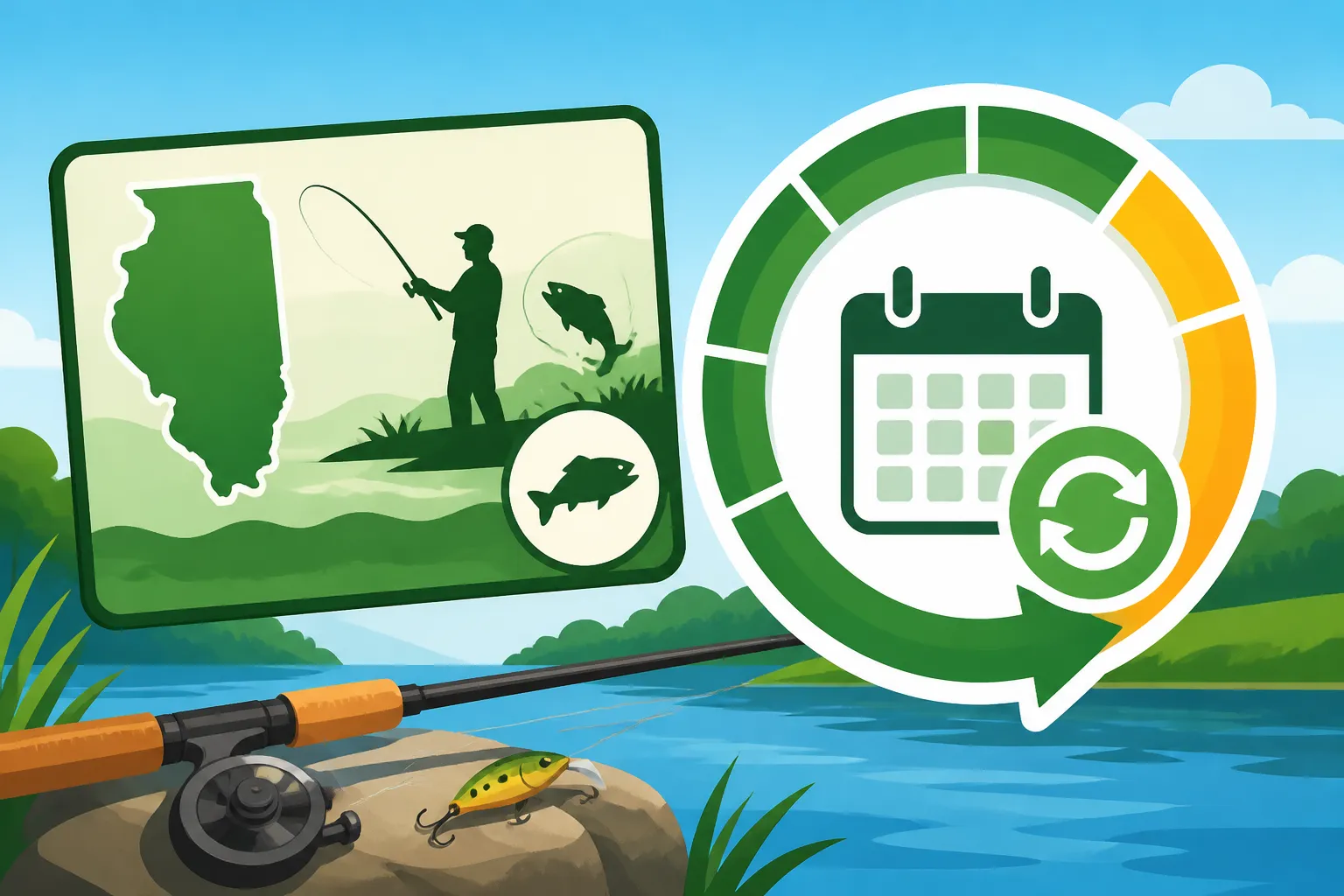
Unlike a typical January 1st to December 31st timeframe, Illinois fishing licenses operate on a fiscal year that begins on March 1st and runs through the last day of February the following year. So, for example, a license purchased in April 2025 would be valid until February 28th, 2026. This means if you buy your license mid-season, say in July, it still expires at the end of February, not a full year from your purchase date. This unique cycle is something every angler needs to engrain in their memory to avoid any lapses in coverage.
This March 1st start date is a consistent rule across the board for annual licenses. It aligns with how the Illinois Department of Natural Resources (IDNR) manages its regulatory periods and fish stocking schedules. So, if you're planning your spring fishing trips for crappie or early season bass, remember that March 1st is your green light for the new license year. It’s a critical date to circle on your calendar, as it dictates the start of validity for the vast majority of annual fishing permits in the state. For a deeper dive into this, check out our guide on how the Illinois license year works.
Distinguishing License Validity from Calendar Year
The most important distinction to grasp is that your license isn't valid for 365 days from the date of purchase if you buy an annual permit. Instead, it's valid from the date of purchase until the last day of February. This often means less than a full year of validity if purchased after March 1st. For instance, if you buy your annual license on August 15th, it will still expire on February 28th of the next calendar year, giving you about six and a half months of fishing time. This is a common point of confusion that can lead to unexpected license expirations right in the middle of prime ice fishing season or before the spring bite truly gets going.
This system is in place for ease of administration and to align with the state's natural resource management cycles, but it requires anglers to be vigilant. It's why you'll often see new fishing licenses become available for purchase in late February, allowing savvy anglers to renew before the March 1st deadline and enjoy seamless fishing into the new season. Always confirm the exact expiration date when you purchase your license, especially if you're buying it later in the season. You can generally find this information clearly printed on your physical license or displayed on your digital permit.
Different License Types and Their Validity Periods
Illinois offers a variety of fishing licenses designed to accommodate different angling needs, from residents enjoying regular outings to non-residents visiting for a short trip. Each type comes with its own specific validity period, and understanding these differences is key to choosing the right one for your plans.
Annual Resident and Non-Resident Licenses
These are the most common types of licenses and follow the March 1st to February 28th/29th cycle we just discussed. An annual resident license is perfect for Illinois locals who plan to fish regularly throughout the year. The same goes for the annual nonresident fishing license, which is a popular choice for those living in neighboring states like Missouri or Wisconsin who visit Illinois waters frequently. If you're an Illinois resident, you'll find that your Illinois Resident Annual Fishing License Cost is considerably lower than what out-of-state anglers pay.
For these annual licenses, regardless of when you purchase them within the license year (March 1st to the following February 28th/29th), they will all expire on the same universal date: the last day of February. This means that purchasing your annual license as close to March 1st as possible maximizes your fishing time for that particular permit. It’s worth noting that if you're an avid angler who enjoys various outdoor activities, Illinois also offers combined fishing and hunting license options, which simplifies things by having a single expiration date for both.
Short-Term Licenses: 24-Hour and 3-Day Options
For those who don't fish often or are just visiting Illinois for a quick trip, short-term licenses are an excellent, cost-effective option. These licenses offer flexibility and are valid for a specific, shorter duration from the moment of purchase, rather than adhering to the fixed March 1st-February 28th annual cycle.
- 24-Hour Licenses: This permit is valid for exactly 24 hours from the specific date and time you purchase it. So, if you buy a 24-hour license at 9:00 AM on a Saturday, it will be valid until 8:59 AM on Sunday. This is ideal for a spur-of-the-moment fishing trip or if you only have one day to get on the water. Both residents and non-residents can purchase these. You can find information on the Illinois Resident 24-Hour Fishing License Cost and the Nonresident 24-Hour Fishing License Cost.
- 3-Day Non-Resident Licenses: This option is exclusively for non-residents and is valid for three consecutive calendar days, starting from the date you specify at the time of purchase. For example, if you plan to fish Friday, Saturday, and Sunday, you'd specify Friday as your start date, and the license would be valid until the end of Sunday. This is perfect for a long weekend getaway targeting specific species like salmon on Lake Michigan or catfish on the Mississippi River. More details are available in our guide on the Illinois Nonresident 3-Day Fishing License Cost. These short-term licenses eliminate the confusion of the annual cycle and provide exact, limited validity periods for occasional anglers.
Lifetime Licenses: A One-Time Investment
For truly dedicated anglers who are residents of Illinois, a lifetime fishing license offers the ultimate convenience and peace of mind. As the name suggests, this license is valid for the lifetime of the holder and does not require annual renewal. It's a significant upfront investment, but for many, it pays for itself over time and removes the yearly hassle of remembering renewal dates.
Once purchased, a lifetime license remains valid as long as the holder continues to be an Illinois resident. If you move out of state, the license becomes invalid, as it's specifically tied to Illinois residency. However, if you move back, it can be reactivated. This type of license is an excellent long-term solution, especially if you consider the rising costs of annual licenses over decades. For a detailed breakdown of costs and benefits, explore our Illinois Lifetime Fishing License Guide, which includes information on the Illinois Lifetime Resident Fishing License Price. It's a fantastic option for ensuring you're always ready to hit the water without worrying about expiration dates or renewal processes.
Here's a quick comparison of license types and their validity:
| License Type | Eligibility | Validity Period | Renewal Required |
|---|---|---|---|
| Annual Resident | IL Residents | March 1st to Last day of February | Annually |
| Annual Non-Resident | Non-Residents | March 1st to Last day of February | Annually |
| 24-Hour | All Anglers | 24 hours from specified start time | N/A |
| 3-Day Non-Resident | Non-Residents | 3 consecutive calendar days from specified start | N/A |
| Lifetime Resident | IL Residents | For the lifetime of the holder (with residency) | Never |
When and How to Renew Your Illinois Fishing License
With the unique March 1st expiration date for annual licenses, knowing when and how to renew is crucial. Don't let a forgotten date keep you off the water or, worse, lead to an unexpected penalty. Being proactive ensures your fishing season starts smoothly every year.
Key Renewal Deadlines and Reminders
The most critical deadline to remember for annual Illinois fishing licenses is February 28th (or 29th in a leap year). This is when all annual licenses from the previous cycle expire. To avoid any lapse in coverage, it's highly recommended to renew your license before March 1st. Many anglers choose to renew in late January or February, making it a habit to kick off their fishing season preparations. The Illinois Department of Natural Resources (IDNR) typically makes new licenses available for purchase a few weeks prior to the March 1st start, giving you ample time.
To ensure you never miss this date, set up calendar reminders on your phone or computer. You could even use a recurring event in your digital calendar for "Illinois Fishing License Renewal" every February. While you can't buy your license on Amazon, it's a great place to stock up on new fishing line or a tackle box as your old one might be wearing out from all those successful trips, and you can add a note to your purchase reminder about your license. Staying ahead of the deadline means you won't have to scramble on March 1st when you're itching to get back to your favorite fishing spot.
Convenient Renewal Options: Online, In-Person, and Mail
Illinois offers several convenient ways to renew your fishing license, catering to different preferences.
- Online Renewal: This is by far the most popular and easiest method for many anglers. The IDNR's website provides a secure portal where you can quickly renew your license from the comfort of your home. You'll typically need your old license number or personal identification information. Once renewed, you can print a temporary license immediately, and often receive a digital copy via email, which serves as valid proof while you wait for a physical card to arrive, if applicable. Learn more about how to buy an Illinois fishing license online and renewing an Illinois fishing license online.
- In-Person: For those who prefer a more traditional approach or need immediate assistance, you can renew your license at various vendors across the state. These include bait and tackle shops, sporting goods stores (like a local Bass Pro Shops or Cabela's), and even some county clerk offices. This is a great option if you're already at the bait shop picking up some nightcrawlers and want to take care of your renewal simultaneously. Don't forget to ask for the most up-to-date Illinois Fishing Information Guide when you're there.
- Mail: While less common today, renewing by mail is still an option. You can typically download a form from the IDNR website, fill it out, and send it in with your payment. Just be mindful of processing and mail delivery times, especially if you're approaching the March 1st deadline, as you wouldn't want to be caught fishing without a valid license while waiting for it to arrive. Always plan well in advance if you choose this method.
Consequences of an Expired License
Fishing without a valid license in Illinois isn't just a minor oversight; it's a violation of state law. The consequences can range from inconvenient to financially impactful, making it absolutely essential to keep your license current. Don't let a simple lapse in renewal turn your relaxing day on the water into a stressful encounter with law enforcement.
Potential Fines and Penalties
If you are caught fishing with an expired or non-existent license by an Illinois Conservation Police Officer (CPO), you could face significant fines. The exact amount can vary depending on the specifics of the violation, but it's often more than the cost of an annual license itself. Beyond the initial fine, there might also be court costs and administrative fees involved, making the incident much more expensive than a simple renewal would have been. These penalties serve as a strong deterrent, emphasizing the importance of compliance with state fishing regulations.
Furthermore, getting a citation for fishing without a license often means your fishing trip for that day is effectively over. The CPO may instruct you to cease fishing immediately. It’s not just about the money; it’s about the wasted time, the embarrassment, and the potential for a mark on your record. It's truly a scenario you want to avoid, and prevention through timely renewal is always the best strategy. For a comprehensive overview of what can happen, check out our article on penalties for fishing without a license in Illinois.
Impact on Your Fishing Privileges
Beyond monetary fines, an expired license can have broader implications for your fishing privileges. While a first-time offense for an expired license might primarily involve a fine, repeated offenses or more serious violations (like fishing out of season, exceeding catch limits, or using illegal gear) can lead to more severe consequences. These might include the suspension or revocation of your fishing privileges for a period, preventing you from legally fishing in Illinois waters for months or even years.
Imagine planning a dream fishing trip to Rend Lake for trophy bluegill or a week-long excursion for crappie at Lake Shelbyville, only to find out you're barred from participating due to past license issues. It's a harsh reality that can be easily avoided with due diligence. Even if you're only fishing for panfish with your children, ensuring your license is up-to-date is your responsibility. This is why understanding every detail of your license's validity period is paramount for every Illinois angler.
Planning Your Fishing Year Around License Validity
Navigating the Illinois fishing license system doesn't have to be a headache. With a little foresight and good planning, you can ensure you're always legal and ready to cast your line without any last-minute worries. Integrating license checks into your annual fishing routine will save you time, money, and potential frustration.
Best Practices for Staying Compliant
The simplest way to stay compliant is to treat your license renewal like any other essential annual task. Here are some tried-and-true tips:
- Renew Early: Don't wait until February 28th. Aim to renew in January or early February. This gives you plenty of buffer time and ensures you're ready for the March 1st start of the new license year.
- Set Reminders: Use your smartphone, email calendar, or a physical planner to set multiple reminders for early February. A quick notification can be a lifesaver.
- Keep Proof Accessible: Once you renew, whether online or in person, make sure you have your license readily available. Many anglers keep a digital copy on their phone, in addition to a physical card in their wallet or tackle box. This way, if a Conservation Police Officer asks, you have proof of a valid license. You might also consider a waterproof pouch, available on Amazon, to keep your physical license and other important documents safe and dry during your fishing adventures.
- Consult the Guide: The IDNR publishes an annual Illinois Fishing Information Guide. This guide not only covers regulations and catch limits but also key dates like license renewal periods. Make it a habit to review this guide each year, especially as it usually covers the period from April through the following March.
By making these practices a regular part of your fishing routine, you'll eliminate the stress of wondering if your license is still valid and can focus on what truly matters: catching fish.
Special Cases: Free Fishing Days and Exemptions
While the general rule is that you need a valid license to fish in Illinois, there are a couple of notable exceptions worth knowing about. These special cases can be great opportunities, especially for introducing new anglers to the sport.
- Illinois Free Fishing Days: Every year, Illinois hosts a period of "Free Fishing Days" during which residents and non-residents alike can fish without needing a license. This typically occurs over a weekend in June, often coinciding with Father's Day weekend. It's a fantastic initiative to encourage families and newcomers to experience the joy of fishing. While you don't need a license during these days, all other fishing regulations, such as size and catch limits, still apply. Our guide on Illinois Free Fishing Days and License-Free Weekends provides the exact dates and details each year.
- Age Exemptions: In Illinois, children under the age of 16 are generally not required to have a fishing license. This is a wonderful way to get kids involved in fishing from a young age without the added cost or paperwork. However, if you're taking kids fishing, ensure you, as the adult, have your valid license unless it's during a Free Fishing Day. For more on this, consult our detailed article on Illinois Fishing License Rules for Kids and Seniors.
Understanding these exemptions can help you plan family outings or casual trips without unnecessary purchases, but always default to having a valid license if you don't fall into one of these specific categories. Always remember to check the most current IDNR regulations for any changes to these rules.
Disclaimer
The information provided in this guide is intended for general informational purposes only and does not constitute legal advice. While we strive to offer accurate and up-to-date information, fishing regulations and licensing requirements can change. Always consult the official Illinois Department of Natural Resources (IDNR) website or their most current Fishing Information Guide for the definitive rules and regulations before engaging in any fishing activities. Compliance with all state and local laws is the sole responsibility of the individual angler.