Illinois Bass Pre-Spawn Timing at Rend Lake
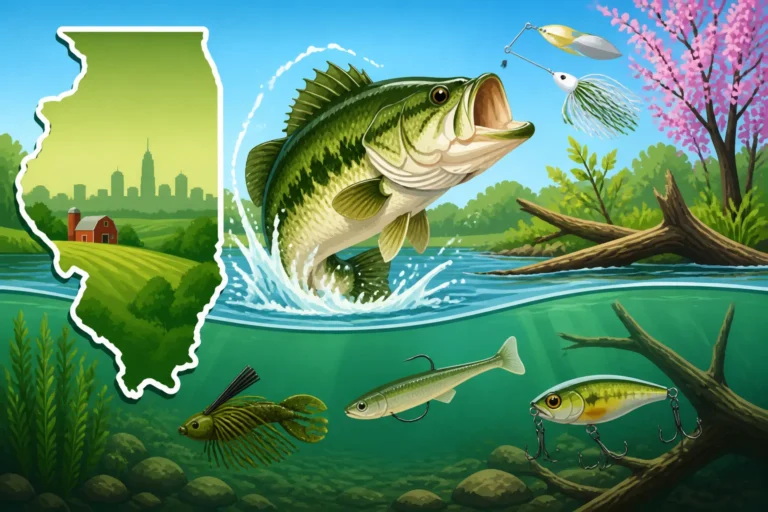
If you've ever found yourself staring at a vast expanse of water like Rend Lake, wondering where the bass have vanished to in early spring, you're not alone. That elusive period, often called the pre-spawn, is when big largemouth bass are on the move, fueling up before they commit to their beds. This guide is all about cracking the code for Illinois bass pre-spawn timing at Rend Lake, helping you understand the triggers, techniques, and tackle to land those spring giants.
Understanding the Pre-Spawn Phase for Bass
The pre-spawn phase is arguably one of the most exciting times to target largemouth bass in Illinois, especially on a lake as renowned as Rend Lake. It’s a period of intense feeding and movement, driven primarily by changing water temperatures and the biological imperative to reproduce. Miss this window, and you might find yourself struggling to catch anything but smaller, less aggressive fish.
What Happens During Pre-Spawn
Think of the pre-spawn as a high-stakes feeding frenzy. After a long, cold winter spent in deeper, more stable water, bass start to feel the urge to move. As the days lengthen and the sun's rays begin to warm the shallower sections of the lake, these fish start migrating from their deep winter haunts towards the eventual spawning grounds. They're not quite ready to make nests, but they are absolutely ravenous, trying to pack on as much weight and energy as possible for the arduous spawning process ahead.
During this time, bass are often found in "transition areas" – points, humps, ledges, and creek channels that offer a clear path between deep water and shallow flats. These locations provide easy access to both security (depth) and food (shallower foraging grounds). They're looking for baitfish that are also moving up, and they'll strike aggressively at lures that mimic these easy meals. This is when you can really target some of the fattest, heaviest bass of the year, before they get locked onto beds and become more defensive than aggressive.
Why Timing is Crucial
Timing is everything when it comes to pre-spawn bass fishing. Hit it too early, and the bass are still lethargic in deep water, requiring slow, precise presentations. Arrive too late, and they've already moved onto beds, making them harder to provoke into biting and making you less likely to find those big, hungry pre-spawn females. The sweet spot is often fleeting, sometimes lasting only a couple of weeks, making local knowledge and keen observation absolutely vital.
For Rend Lake, in particular, its relatively shallow and fertile nature means it often warms up quicker than some of the deeper, rockier lakes further north in Illinois. This can make the pre-spawn bite happen earlier and potentially more aggressively here. Understanding the subtle cues – a few consecutive warm, sunny days, an increase in water clarity after winter runoff, or seeing other species like crappie starting to move shallow – can be the difference between a tough day and a banner one. Keeping an eye on the official Illinois fishing seasons guide can give you general timeframes, but hyper-local conditions are always king.
Key Environmental Factors Affecting Rend Lake Bass
The environment around and within Rend Lake plays an immense role in dictating when and how the bass pre-spawn will unfold. It's not just about the calendar; it's about water temperature, weather patterns, and even how much light is penetrating the water. Being a student of these factors will dramatically increase your success.
Water Temperature's Role
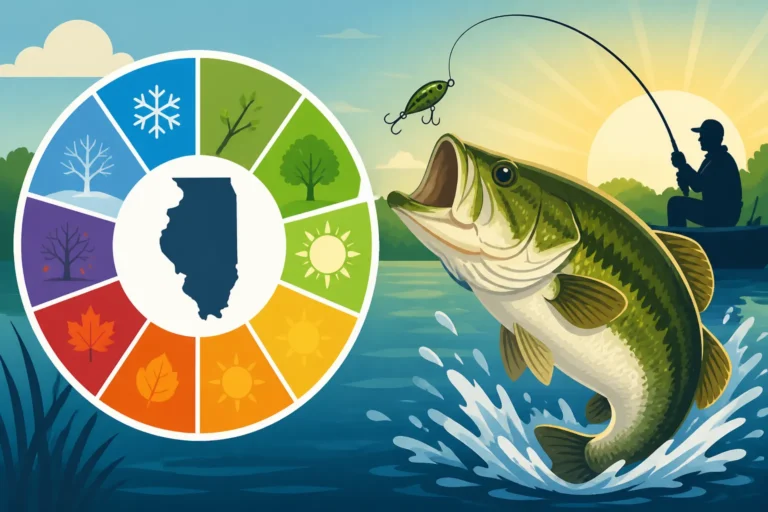
If there's one single factor that dictates the start and progression of the bass pre-spawn, it's water temperature. Bass are cold-blooded creatures, and their metabolism is directly tied to the temperature of the water around them. In Rend Lake, the pre-spawn really kicks into gear when surface water temperatures consistently hit the mid-40s Fahrenheit. At this point, bass start their move. The ideal range for peak pre-spawn activity, when they're most aggressive and feeding heavily, is generally between 50 and 60 degrees Fahrenheit.
Once the water temperature pushes consistently into the low 60s, you’ll start seeing more bass on beds, signaling the shift from pre-spawn to the active spawn. Rend Lake, being a large but relatively shallow reservoir, can experience significant temperature swings. A few consecutive sunny days can warm shallow coves rapidly, while a sudden cold front can drop temperatures quickly and push fish back out to deeper staging areas. This makes a good water temperature gauge an indispensable tool for any angler on Rend Lake during this time.
Impact of Weather Changes
Beyond just temperature, overall weather patterns have a huge say in the pre-spawn bite. Stable weather, meaning several days of consistent temperatures and light winds, tends to be the best for active bass movement and feeding. These stable periods allow water temperatures to climb steadily and encourage bass to cruise shallower for foraging. Overcast days with a light chop on the water can actually be fantastic, as the reduced light penetration often brings bass out of cover and makes them less wary.
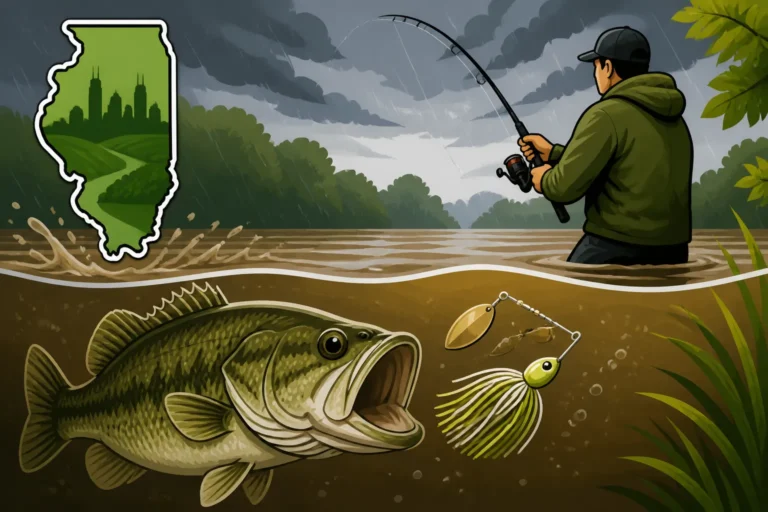
However, a sudden cold front can throw a wrench into everything. A sharp drop in air temperature, accompanied by clear skies and high pressure, will often push pre-spawn bass off shallow staging areas and back into deeper, more stable water. They might become lethargic and less willing to chase fast-moving baits. Strong winds can also impact fishing by churning up the water, reducing visibility, and making boat control challenging. When fishing in Illinois, always check the forecast and be prepared to adjust your tactics based on what Mother Nature throws your way. This is particularly true for large bodies of water like Rend Lake, where weather can change quickly.
Light Penetration and Depth
Rend Lake is known for varying water clarity, which can significantly influence where bass position themselves and how they react to lures during pre-spawn. In clearer sections of the lake, bass might hold deeper or tighter to cover to ambush prey and avoid detection. In murkier or stained water, they often feel more comfortable moving shallower and can be less spooked by your presence.
The angle of the sun, and therefore light penetration, also plays a role. Early mornings and late afternoons, when the sun is lower, often see bass moving into shallower areas to feed. During midday, especially on bright, sunny days, they might retreat to slightly deeper water or seek shade under docks, fallen trees, or thick cover. Understanding these nuances helps you decide what depth to target and what type of bait to present. For instance, on bright days, a slower presentation of a jig or a worm might entice a hesitant bass, while on overcast days, a moving bait like a crankbait can cover more water and trigger strikes.
Top Techniques for Pre-Spawn Bass at Rend Lake
Successfully targeting pre-spawn bass on Rend Lake requires a mix of patience, observation, and the right approach. These fish are transitioning, so covering water effectively and presenting baits that appeal to their aggressive, hungry nature is key.
Targeting Transition Areas
As we touched on, pre-spawn bass are often found in "transition areas." These are the highway ramps and rest stops between their winter homes and their spring breeding grounds. On Rend Lake, think about key structural elements like main lake points that drop off into deeper channels, creek channel swings that meander towards shallow coves, and humps or ledges that rise from the depths. These spots are crucial because they offer easy access to both deep water (for security and warmth stability) and shallower flats (for feeding).
When you're fishing these transition areas, don't just cast blindly. Use your electronics to find baitfish and any significant changes in bottom contour. Bass will often hold on the "nose" of a point, along the edge of a channel, or on the steepest breaks. Focus your efforts on these specific features, making multiple casts from different angles to ensure you cover the entire area. Pay attention to any isolated cover – a stump, a rock pile, or a brush pile – within these transition zones, as bass will often gravitate to these ambush points.
Slow-Rolling and Jigging
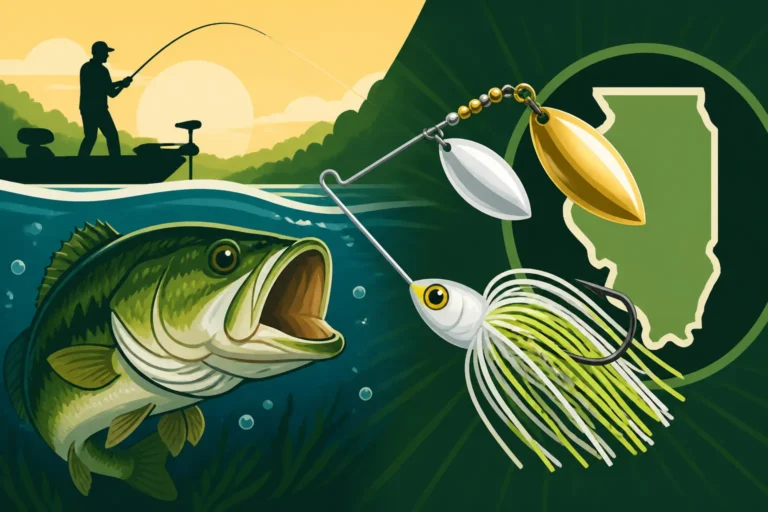
During the early stages of pre-spawn, when water temperatures are still on the cooler side (mid-40s to low-50s), bass can be a bit sluggish. This is where slow-rolling and jigging techniques shine. A slow-rolled spinnerbait, especially one with large thumping blades like a Colorado or Indiana blade, can be incredibly effective. The slow retrieve allows the bait to stay in the strike zone longer, and the vibration can attract bass even in stained water. Experiment with different blade colors and skirt combinations; sometimes a chartreuse and white, or a black and blue, is the ticket.
Jigging, particularly with a football jig or a bladed jig like a Z-Man ChatterBait, is another fantastic approach. A football jig, tipped with a soft plastic trailer (like a craw or a creature bait), is excellent for crawling along the bottom in those deeper transition areas. The bladed jig, often called a vibrating jig, is a phenomenal search bait that generates a lot of vibration and flash, making it ideal for covering water and triggering reaction strikes from bass that are still a bit finicky. You can find a wide array of these effective bass lures on Amazon. Knowing how to rig a jig for bass fishing effectively is half the battle.
Shallow Water Power Fishing
As the water temperatures climb into the mid-50s and approach 60 degrees, bass become much more aggressive, and they'll push harder into shallower water. This is when power fishing techniques become incredibly effective. Crankbaits, especially lipless crankbaits or medium-diving crankbaits that can run along the top of submerged grass or cover, are excellent for covering large amounts of water quickly. Look for areas with sparse grass, stumps, or laydowns in 3-8 feet of water.
Another classic power fishing technique for pre-spawn is using jerkbaits. Suspending jerkbaits, like a Rapala Shadow Rap or a Lucky Craft Pointer, can be absolutely deadly. These baits can be twitched and paused, hanging tantalizingly in the water column, often drawing violent strikes from bass that are following but hesitant to commit. Vary your retrieve and pause times until you find what the fish prefer. Bladed jigs, which we mentioned for slow-rolling, also excel in shallow power fishing situations, particularly around patchy grass or wood cover. On Rend Lake, targeting those shallow flats and creek arms that receive a lot of sun exposure will be key for these techniques.
Gear and Bait Recommendations for Rend Lake Pre-Spawn
Having the right tools for the job can make a significant difference, especially during the dynamic pre-spawn period. Matching your rod, reel, line, and bait to the conditions and techniques you’re using will help you maximize your success on Rend Lake.
Essential Rod and Reel Setups
For pre-spawn bass on Rend Lake, you'll want a versatile arsenal. A medium-heavy casting rod, typically 6'10" to 7'4" in length, paired with a high-speed baitcasting reel (7.1:1 gear ratio or higher), is a fantastic all-around setup. This combination is great for throwing spinnerbaits, bladed jigs, and medium-diving crankbaits. The medium-heavy power provides enough backbone for strong hooksets and managing big bass, while the fast tip allows for accurate casting and feeling subtle bites. Spool this setup with 15-20 lb fluorocarbon or monofilament line.
For jerkbaits, a slightly lighter medium power rod, often 6'6" to 7'0" in length, with a moderate-fast action, is preferred. This softer tip allows the rod to "load up" better on the snap-pause retrieve, giving the lure its characteristic darting action. Pair this with a medium-speed baitcasting reel (6.3:1 or 7.1:1) and 10-14 lb fluorocarbon for better sensitivity and reduced line stretch. If you're looking for the best rods for Illinois largemouth bass, you'll find options for every technique.
Must-Have Lures and Baits
When the bass are in full pre-spawn mode on Rend Lake, they’re looking for substantial meals. Here’s a breakdown of some go-to baits:
- Spinnerbaits: 1/2 oz to 3/4 oz with tandem Colorado/Willowleaf blades or double Colorado for maximum thumping vibration. Chartreuse/white and sexy shad patterns are often excellent choices.
- Bladed Jigs: 3/8 oz to 1/2 oz, often with a subtle swimbait or craw trailer. Black and blue, green pumpkin, and white are popular colors. Brands like Z-Man offer fantastic options that are easily found on Amazon.
- Jerkbaits: Suspending jerkbaits in the 4-6 inch range. Natural baitfish colors like pro blue, ghost minnow, or sexy shad are top producers.
- Crankbaits: Lipless crankbaits (1/2 oz to 3/4 oz) in chrome/blue, red craw, or sexy shad. Also, medium-diving crankbaits that reach 6-12 feet, mimicking shad or crawfish, are essential.
- Jigs: Football jigs (1/2 oz to 3/4 oz) with a bulky craw trailer in green pumpkin, black and blue, or brown. These are excellent for crawling across structure.
- Soft Plastics: Texas-rigged creature baits or worms (7-10 inches) can also be effective when pitched into cover in staging areas, especially when the bite is tough. Knowing how to fish a Texas rig for bass is a fundamental skill.
Remember, the best bait often depends on the specific conditions – water clarity, temperature, and what the baitfish are doing. Don't be afraid to experiment!
Kayak and Boat Considerations for Rend Lake
Rend Lake is a massive body of water, and while it offers excellent bank fishing opportunities, a boat or kayak significantly expands your access to prime pre-spawn areas.
For those with larger bass boats or pontoons, the ability to quickly move between different sections of the lake, from the main lake points to the far reaches of the Nason Point or Turnip Patch areas, is a huge advantage. Electronics like good fish finders are invaluable for identifying those crucial depth changes, submerged cover, and schools of baitfish that attract pre-spawn bass. Many of the best fishing spots in Illinois are vast and require mobility.
For kayak anglers, Rend Lake also offers fantastic opportunities, especially in the numerous shallower coves, creek channels, and areas with limited boat access. While a kayak limits your speed and distance, it allows for stealthy approaches to shallow bass. Be mindful of windy conditions, as Rend Lake can get choppy, but on calmer days, exploring the back of coves and protected points can yield incredible results. Always prioritize safety, especially on a lake of this size, and ensure you have all necessary Illinois boat safety equipment. For more specialized advice, check out guides on the best boats for Rend Lake fishing.
Rend Lake Pre-Spawn Bass Behavior at a Glance
To give you a quick reference for tackling the Rend Lake pre-spawn, here's a table summarizing key conditions and recommended approaches:
| Water Temperature Range | Bass Behavior | Best Depths to Target | Recommended Lure Types |
|---|---|---|---|
| 45-50°F | Slowly moving, still somewhat lethargic, staging deep | 8-15 feet (channel edges) | Football Jigs, Slow-rolled Spinnerbaits, Alabama Rigs |
| 50-55°F | Aggressive feeding, active migration to shallower | 5-12 feet (points, humps) | Bladed Jigs, Jerkbaits, Medium-Diving Crankbaits, Lipless Crankbaits |
| 55-60°F | Very aggressive, nearing spawn, moving into shallows | 3-8 feet (flats, coves) | Bladed Jigs, Squarebill Crankbaits, Jerkbaits, Spinnerbaits |
| 60°F+ | Beginning to spawn, some still feeding, others nesting | 2-6 feet (spawning flats) | Texas Rigs, Jigs, Wacky Worms, Topwater (early/late) |
This table is a general guideline. Always let the fish tell you what they want on any given day. Conditions like wind, clarity, and pressure can shift their preferences, so being adaptable is your secret weapon. For more general advice on when to chase them, check out the best time to fish in Illinois. You might also want to compare with Illinois Bass Pre-Spawn Timing at Lake Shelbyville to see how regional differences impact the bite.
Final Thoughts on Rend Lake Pre-Spawn
The pre-spawn period at Rend Lake is a truly special time for bass anglers. It offers the chance to catch some of the biggest, most aggressive fish of the year, but it demands attention to detail and a willingness to adapt. Remember to keep a close eye on that water temperature, pay attention to weather trends, and focus your efforts on those critical transition areas where bass stage before their final push to spawn. With these tips in your tackle box, you’re well on your way to a successful and memorable spring bass season on Rend Lake. Happy fishing!
Disclaimer
Fishing conditions and regulations in Illinois can change. Always consult the official Illinois Department of Natural Resources (IDNR) website or the current Illinois Fishing Information Guide for the most up-to-date rules, regulations, and advisories before heading out on the water. This guide is for informational purposes only and should not replace official sources.