Catfish Trotline Setup Guide
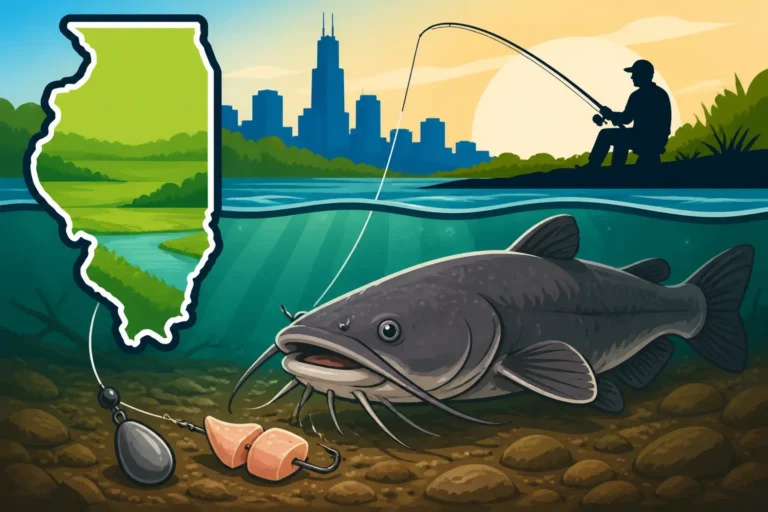
There’s nothing quite like the thrill of catching a big Illinois catfish, but sometimes, sitting on the bank with a single pole just doesn't cut it when you're serious about putting a meal on the table or landing that trophy. If you’re like many experienced anglers, you’ve probably felt the itch to scale up your efforts, to maximize your chances, and to embrace a traditional, highly effective method for harvesting these whiskered warriors. This comprehensive guide is designed to walk you through everything you need to know about setting up and managing trotlines in Illinois, ensuring you do it safely, legally, and successfully.
Understanding Illinois Trotline Regulations
Alright, let's just get the tricky stuff out of the way first, because nothing puts a damper on a great fishing trip faster than running afoul of the law. Illinois, like most states, has some pretty specific rules about trotlines, and for good reason. These aren't your typical rod-and-reel setups, and they have the potential to impact other anglers and wildlife if not managed properly. Understanding these regulations isn't just about avoiding a ticket; it's about being a responsible, ethical angler and contributing to the conservation of our beloved Illinois waters. It can feel like a lot to take in, but trust me, it’s worth knowing every detail before you even think about dropping a line.
Legal Requirements and Permitted Waters
First and foremost, you need to know where you can even set a trotline. It's not a free-for-all across every lake and river in the state. Generally, trotlines are permitted in the larger rivers of Illinois, such as the Mississippi River, Illinois River, Ohio River, and Wabash River, as well as their major tributaries and backwaters. However, they are typically prohibited in many smaller lakes, state park waters, and private ponds unless specific local regulations allow it. Always, always, always check the current Illinois Department of Natural Resources (IDNR) Fishing Information Guide for the specific body of water you intend to fish. These regulations can, and sometimes do, change from year to year, so don't rely on last season's memory. A quick check can save you a world of trouble and potential fines, which can be quite hefty if you're found to be fishing without proper authorization.
Beyond where, there's the what. A trotline, by definition in Illinois, is a line to which more than 50 hooks are attached, or a line which is longer than 200 feet, or a line set on the bottom and left unattended. If you're using a device with 50 hooks or less, it might fall under the "set or bank pole" category, which has different rules. For true trotlines, you’ll also need a commercial fishing license in some specific waters, though for recreational use, a standard fishing license usually suffices, provided you adhere to all other trotline rules. It's a bit of a maze, but clarity here is key. Remember that even with a valid fishing license, rules for special species like trout might require additional stamps, though this is less common for catfish. For general guidance on what you can harvest, always refer to the Illinois Catfish Daily Limits Explained.
Tagging and Marking Your Trotline
This is where many well-meaning anglers get tripped up. Imagine going out on the river and finding a random line floating with hooks; it’s a hazard to navigation, a mystery to other anglers, and potentially a danger to wildlife. That's why Illinois requires all trotlines to be properly marked and tagged. Each trotline must have a visible buoy or float at each end, clearly marked with the name and address of the owner. These aren't just any old soda bottles tied on; they need to be substantial enough to be seen easily, especially by boaters, and tough enough to withstand currents and weather for the duration of their deployment. I've seen some folks use brightly colored jugs or PVC pipe floats, and honestly, the more visible, the better.
The tag is equally crucial. It needs to be durable, waterproof, and securely attached to the line, typically near one of the floats. This tag provides immediate identification to conservation officers who are patrolling the waters. If your trotline isn't tagged correctly, it can be confiscated, and you could face penalties. It's not just about compliance; it's about accountability. Knowing that your gear is clearly identified ensures that if there's an issue, or if someone finds your line, they know who to contact. This small effort prevents a lot of headaches and ensures that our shared waterways remain safe and enjoyable for everyone.
Bait Restrictions and Line Limits
You can't just throw any old thing on your hooks and call it a day, especially when it comes to trotlines. Illinois has specific rules about what can and cannot be used as bait. Generally, cut bait, worms, chicken livers, and various prepared baits are perfectly acceptable. Live baitfish, however, often come with their own set of regulations, particularly regarding species and whether they're caught from the same water body. Using certain species of live bait, especially invasive ones or those protected in other ways, can lead to serious fines. Always double-check the bait regulations for the specific waters you're fishing. For instance, if you're fishing the Mississippi River Catfish Fishing in Southern Illinois, local bait shop owners are usually a fantastic resource for current regulations and what's biting.
Then there are the limits on the line itself. As mentioned, a recreational trotline generally cannot exceed 200 feet in length and cannot have more than 50 hooks. Some specific waters might have even tighter restrictions, so local knowledge and the IDNR guide are your best friends here. Additionally, there are rules about how many trotlines you can set at one time. Typically, a recreational angler is limited to one trotline, but again, this can vary. It’s critical to also consider the species-specific limits. For example, the Illinois Flathead Catfish Limit of 10 Fish Per Day applies regardless of how you catch them. If you’re targeting blue catfish, familiarize yourself with the Illinois Blue Catfish Rules and Daily Limits to avoid accidentally over-harvesting. These limits are in place to ensure sustainable fishing for generations to come, and respecting them is part of the angling code.
| Feature | Illinois Trotline Regulation (General) | Notes |
|---|---|---|
| Hooks | Maximum 50 hooks per line | More hooks may classify as commercial gear or require a different permit. |
| Length | Maximum 200 feet | Designed for recreational use; prevents obstruction of waterways. |
| Marking | Visible buoy/float at each end, marked with owner's name/address | Ensures accountability and visibility for boaters and authorities. |
| Tagging | Durable, waterproof tag securely attached, near a float | For easy identification by IDNR; prevents gear confiscation. |
| Bait | Cut bait, worms, chicken livers, prepared baits generally permitted | Check for specific restrictions on live baitfish in certain waters. |
| Deployment | Cannot be set in restricted waters (e.g., many state lakes, private ponds) | Primarily for larger rivers and their tributaries/backwaters. Check IDNR guide. |
| Number | Typically limited to one trotline per recreational angler | Verify specific water body rules, as limits can vary. |
Essential Gear for a Successful Trotline Setup
Alright, now that we’ve covered the legalities, let’s talk about the fun part: getting your gear together! You wouldn't go deer hunting with a BB gun, and you shouldn't go trotlining for big catfish with flimsy equipment. These lines are going to be out in the elements, dealing with currents, potentially snagging, and hopefully holding some seriously strong fish. Investing in the right gear from the start will save you frustration, lost fish, and lost equipment down the line. Plus, there's a certain satisfaction that comes with knowing you're well-prepared for whatever the river throws at you. Sometimes, you can find great deals on components like line and hooks on Amazon, making it easier to gather what you need.
Choosing the Right Mainline and Snells
The mainline is the backbone of your trotline, literally. It needs to be incredibly strong, durable, and resistant to abrasion. Most experienced trotliners opt for heavy-duty nylon or braided synthetic rope, typically in the 200-500 pound test range. Anything less and you risk losing your entire setup to a strong current, a submerged log, or a monster catfish. Think about the conditions: constant water flow, potential debris, and the sheer power of a big flathead trying to break free. A good mainline will be relatively stiff enough to resist tangles but flexible enough to deploy and retrieve without too much hassle.
Snells are the shorter lines that connect your hooks to the mainline. These are usually made from similar, but often slightly lighter, material than the mainline, maybe 100-200 pound test, to provide a bit of a "fuse" in case of a snag or a truly epic battle. If a snell breaks, you only lose that hook, not your entire line. The length of your snells is important too – generally 12 to 18 inches works well. Too short, and the bait won't move naturally; too long, and they'll tangle easily. You can buy pre-made snells, or if you're feeling crafty, tie your own using appropriate knots. When considering "How to Rig a Trotline for Big Catfish," selecting top-notch mainline and snell material is paramount for both durability and effectiveness.
Hook Selection for Illinois Catfish
The hooks are where the rubber meets the road, or more accurately, where the bait meets the fish. For catfish, you're generally looking at strong, sharp, and appropriately sized hooks. Circle hooks are a favorite among many trotliners, and for good reason. They are designed to hook fish in the corner of the mouth, which is not only better for the fish if you plan to release them (though trotlining is often for harvest) but also makes it incredibly difficult for the fish to shake the hook once it's set. Sizes can vary, but for the larger river catfish in Illinois, anything from a 5/0 to a 10/0 circle hook is common. The exact size will depend on your target species and bait size.
J-hooks are another option, particularly if you prefer a more traditional setup, but they can lead to deeper hooking, which isn't ideal for fish survival. Regardless of type, ensure your hooks are made from strong, corrosion-resistant material. You don't want a hook bending out on a trophy fish, nor do you want it rusting away after a single deployment. Look for brands known for quality and sharpness; a dull hook is a missed fish. When you’re buying these in bulk, which you will be for a trotline, check online retailers like Amazon for value packs that still maintain high quality.
Anchoring and Buoy Systems
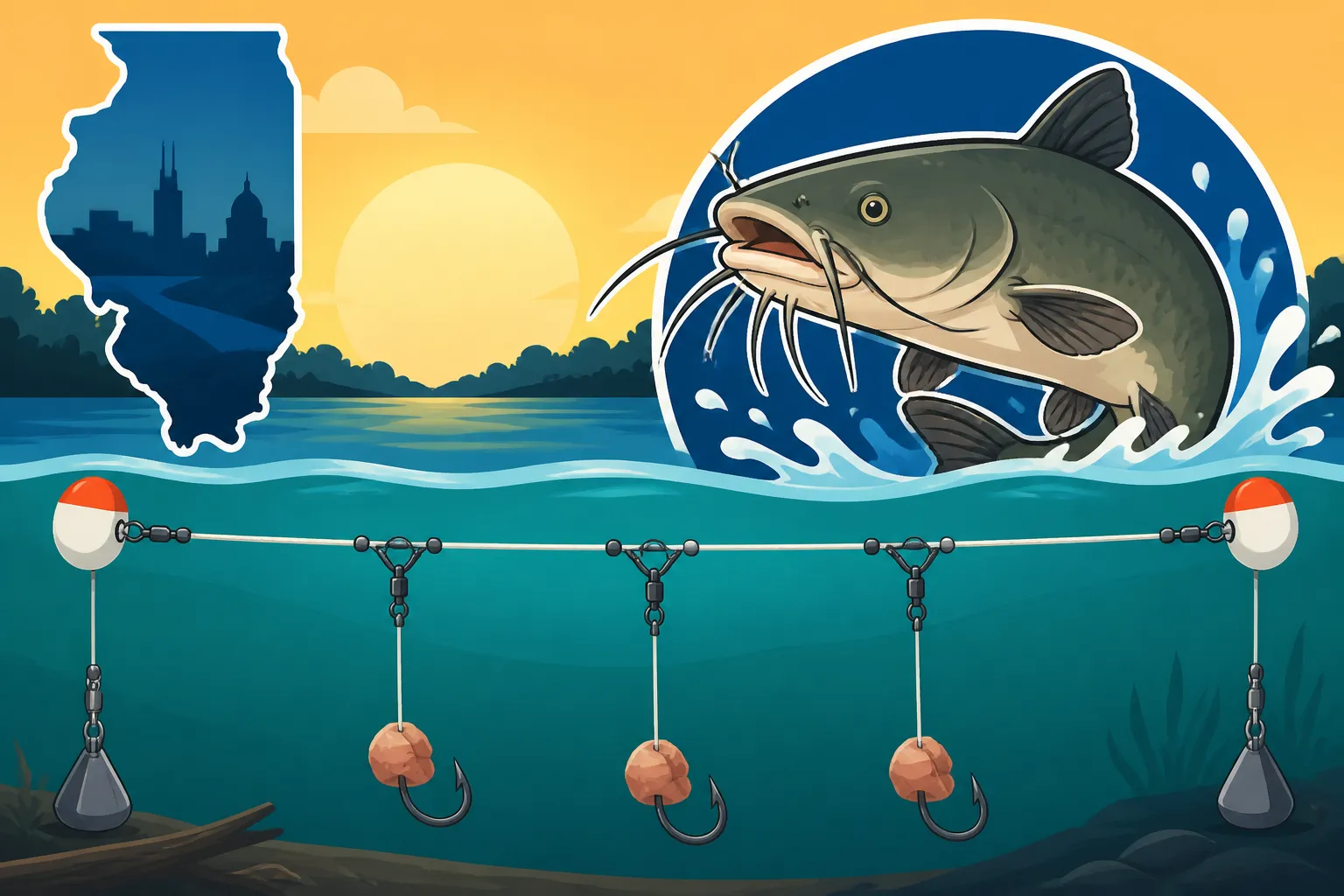
Without a solid anchoring system, your trotline is just an expensive string floating down the river. You need to secure your mainline firmly at both ends to prevent it from drifting or being dragged off by powerful currents or large fish. For anchors, heavy weights are essential. Concrete blocks, cinder blocks, or specially designed mushroom anchors are popular choices. The size and weight of your anchors will depend on the strength of the current in your chosen fishing spot. On a calm backwater, a couple of 20-pound anchors might suffice; on the main channel of the Mississippi River, you might need something significantly heavier, possibly 40-50 pounds per anchor, or even more.
Your buoy system, as mentioned earlier, serves two critical purposes: marking your line for visibility and helping you retrieve it. Brightly colored, durable floats are crucial. Old plastic jugs can work in a pinch, but purpose-built trotline floats or even large crab pot buoys are far more effective and less likely to become waterlogged or sink. Make sure the rope connecting your buoy to your anchor is strong enough to withstand retrieval forces and long enough to reach the surface with slack, even during high water. A common mistake is using a rope that's too short, leaving your buoy submerged during a rise in water levels. Having a grapple hook or a specialized buoy retrieval tool on board can be a lifesaver when it comes to getting your line back.
Step-by-Step Trotline Deployment Techniques
So, you’ve got all your gear, you’re up to speed on the regulations, and you’re ready to put that trotline in the water. This is where strategy and technique come into play. It's not just about tossing a line in; it's about thoughtful placement, careful setup, and understanding the nuances of the river or lake you’re fishing. A well-deployed trotline is an efficient fishing machine, while a poorly deployed one is just a tangled mess and a lost opportunity. Take your time, think like a catfish, and execute each step with precision.
Site Selection and Scouting for Catfish Hotspots
Before you even think about putting a hook in the water, you need to find the right spot. Catfish, especially the bigger ones, are creatures of habit and prefer certain types of structure and depth. Look for areas with slower currents, deeper holes, submerged timber, rock piles, or sharp bends in the river where current creates eddies. These are prime ambush points and resting areas for channel cats, blue cats, and flatheads. If you're fishing on a major river like the Illinois River Catfish Spots Worth the Trip, look for inflows from smaller creeks or ditches, as these can wash in food and create ideal feeding lanes.
Another excellent strategy is to scout for existing fish activity. Look for signs of baitfish, diving birds, or even other anglers who seem to be having success. If you have a depth finder, use it to map out the bottom contours and identify those deep holes, ledges, or brush piles where catfish like to hide. Consider the time of year and water temperature too; catfish behavior changes with the seasons. In warmer months, they might be more active in shallower, oxygenated areas at night, while in cooler periods, they might hold in deeper, more stable water. Don't be afraid to try a few different spots initially to see where you get the most action.
Setting the Mainline and Attaching Snells
The actual deployment requires a bit of finesse and, ideally, a second person, especially if you’re working from a boat. Start by securing your first anchor and buoy at one end of your chosen spot. This is your starting point. Slowly motor or paddle away, letting out your mainline as you go. Keep the line taut but not so tight that it’s under extreme tension. As you move along, you'll periodically stop to attach your pre-tied snells and baited hooks. Ensure your hooks are clear of the boat and any clothing, as a trotline with 50 hooks can be a serious hazard if not handled carefully.
Space your snells evenly along the mainline, typically 3-5 feet apart. This spacing prevents tangles and allows each bait enough room to attract fish. Once you’ve attached all your snells and hooks, you'll reach the other end of your deployment area. Secure your second anchor and buoy. The goal is to have the mainline stretched out, ideally with a slight sag in the middle that allows the bait to be near the bottom where catfish feed, without being so slack that it creates a huge loop or sags excessively. The depth you set it at can be adjusted by the length of your anchor lines – shallower for actively feeding fish, deeper for cooler water or during the day.
Baiting Your Hooks and Setting Your Line
Now for the critical part: the bait. The type of bait you use will heavily depend on the species of catfish you're targeting. For channel catfish, classic baits like chicken livers, cut shad, and stink baits are incredibly effective. If you’re looking for the Best Bait for Channel Catfish, you’ll find that variety can sometimes be key. For blue catfish, fresh cut bait from oily fish like shad, skipjack herring, or even carp works wonders. These bigger fish prefer a hearty meal, and the scent trail from fresh cut bait is hard for them to resist. If you're going after the really big ones, check out the Best Bait for Blue Catfish – often something large and oily.
Flathead catfish, the true apex predators of the river, have a distinct preference for live bait. Live bluegills, sunfish, or even small carp are prime choices for them. Ensure any live bait used adheres to local regulations regarding species and size. Once your hooks are baited, carefully lower the trotline into the water. The goal is to have your baits settling near the bottom, right in the feeding zones. Make sure the line is clearly marked with your name and address on the floats, as per regulations. A final check to ensure everything is secure and compliant with the Illinois Fishing Regulations Overview, and then it's time to let the line do its work!
Trotline Maintenance and Responsible Angling
Setting a trotline isn't a "set it and forget it" operation; it's an active form of fishing that requires ongoing attention and responsible practices. The river environment is dynamic, and your gear will be subjected to constant challenges. Neglecting your trotline can lead to lost fish, lost gear, and potential harm to wildlife. Plus, managing your line properly ensures you’re making the most of your efforts and adhering to the principles of ethical angling. This proactive approach is what separates a successful trotliner from someone who just leaves hooks in the water.
Checking and Re-baiting Your Trotline
One of the most crucial aspects of trotlining is regular checking. You can't just set it and come back days later. For best results and to minimize stress on caught fish, trotlines should be checked at least once every 24 hours, and often more frequently, especially in warmer weather when fish can spoil quickly. Many experienced anglers check their lines at dawn and dusk. During these checks, you'll want to carefully approach the line, preferably from upstream, and work your way down. This minimizes spooking fish that might be on the line and makes retrieval easier.
As you check each hook, you'll remove any fish, re-bait any empty or scavenged hooks, and check for snags or damage to the line. This is also a good time to ensure your floats are still visible and your tags are intact. If you find a hook that's been stripped of bait, it's a good sign that fish are in the area, so get a fresh piece of bait on there quickly. Don't be surprised if some baits are gone without a fish; smaller panfish, turtles, or even crawfish can pick at your offerings. Replenishing these baits ensures your line stays productive and continues to attract the big ones.
Retrieving and Storing Your Gear
Once you're done fishing, or at the end of the legal deployment period, it's time to retrieve your trotline. This process should be done with as much care as the deployment. Start by locating your floats and carefully lifting one end of the line. Work your way along the mainline, removing any remaining fish, hooks, and snells. It's often easiest to have a designated bucket or container for your hooks to prevent accidental injuries. Inspect the mainline for any wear and tear, nicks, or weak spots that might need repair before your next outing.
Proper storage of your trotline is essential for longevity. Once retrieved, thoroughly clean your mainline, snells, and hooks of any mud, weeds, or debris. Rinse them with fresh water to remove any river grime. Dry everything completely to prevent mildew and rust. Store your trotline neatly coiled in a bucket or specialized trotline reel to prevent tangles. Hooks can be stored separately in a tackle box or on a foam board to keep them sharp and safe. Taking care of your gear means it will be ready to go for your next adventure and will last for many seasons to come. You can find excellent trotline storage solutions, often quite affordably, on platforms like Amazon.
Environmental Considerations and Ethical Practices
Responsible angling goes beyond just following the rules; it's about respecting the environment and the fish. When setting trotlines, be mindful of other river users. Don't set lines across navigation channels or in areas heavily used by recreational boaters or swimmers. Your marked floats help, but common sense and courtesy go a long way. Always ensure your anchors are well-secured to prevent your line from drifting into sensitive areas or becoming a ghost-fishing hazard.
When handling fish, do so quickly and respectfully. If you plan to keep the fish, dispatch it humanely. If you accidentally catch a species you can't keep, or one that's undersized, release it gently and quickly. Be aware of the Illinois Catfish Daily Limits Explained and never exceed them. Additionally, always dispose of any trash, old bait, or damaged gear properly. Leave no trace behind. Our Illinois waterways are a precious resource, and it's up to us to keep them clean and healthy for all to enjoy.
Targeting Specific Catfish Species with Trotlines
Illinois is blessed with an abundance of fantastic catfish species, and trotlines are a highly effective way to target them. While the general principles of trotlining remain the same, tweaking your approach based on the species you're after can dramatically increase your success. Each species has its own preferences in terms of habitat, diet, and behavior, and understanding these nuances is key to filling your cooler.
Strategies for Channel Catfish
Channel catfish are arguably the most widespread and abundant catfish in Illinois. They are incredibly adaptable, found in a vast array of rivers, lakes, and even larger ponds. When targeting channels with trotlines, think about their diet: they are omnivores with a keen sense of smell. This means stink baits, chicken livers, cut shad, and even prepared dough baits are all highly effective. For the Best Bait for Channel Catfish, a diverse spread on your hooks can often tell you what they're biting on that particular day.
For placement, channel cats will often patrol shallower flats, creek mouths, and the edges of deeper channels, especially during dusk and dawn. They like areas with a moderate current that brings food to them. While they can grow quite large, most channel cats you'll catch on a trotline will be in the 1-10 pound range, though bigger ones are certainly out there. Spacing your hooks 3-4 feet apart is usually sufficient for these active feeders. Remember, the Illinois Channel Catfish Daily Limit of 20 Fish applies, so keep track of your harvest.
Going After Blue Catfish and Flathead Catfish
If you're after truly enormous catfish, the blue cat and the flathead are your primary targets, especially in the larger river systems like the Mississippi, Illinois, and Ohio Rivers. These giants require heavier tackle, larger bait, and often more strategic placement. For blue catfish, fresh cut bait is king. Chunks of oily fish like shad, skipjack, or carp are irresistible to them. They are primarily bottom feeders and often congregate in deep holes, scour channels, and around log jams in strong currents. For more details on finding these behemoths, check out Illinois Blue Catfish: Where the Biggest Fish Are Caught. When targeting blues, consider using larger hooks (8/0-10/0 circle hooks) and even slightly longer snells to allow the bait to drift more naturally in the current.
Flathead catfish are a different beast altogether. They are ambush predators with a strict preference for live bait. Live bluegill, sunfish, or even small suckers are the go-to baits for flatheads. When setting a trotline for flatheads, focus on areas with heavy cover – submerged trees, log jams, and rock piles in deep water with slow to moderate current. Flatheads often hold tight to this cover during the day and ambush prey as it passes by. Your hooks should be robust, your snells strong, and your bait lively. The Illinois Flathead Catfish Limit of 10 Fish Per Day is generous, but these fish can be challenging to locate and entice. Patience and precise placement are critical for flathead success. While both species offer incredible fights and delicious fillets, understanding their individual quirks will greatly improve your trotlining adventures.
Disclaimer
The information provided in this guide is for general informational purposes only and is not intended as legal advice. Fishing regulations, including those for trotlines, can change frequently and vary by specific body of water. Always consult the most current Illinois Department of Natural Resources (IDNR) Fishing Information Guide or contact the IDNR directly for the most accurate and up-to-date regulations before engaging in any fishing activities. Compliance with all local, state, and federal laws is the responsibility of the angler.