Tackle Box Organization for Panfish Trips
There's nothing quite like the excitement of a panfish trip in Illinois, whether you're chasing bluegill with the grandkids on a quiet pond or seeking out crappie in a sprawling reservoir. But let's be real: that excitement can quickly turn into frustration when your tackle box looks like a war zone, with hooks tangled, bobbers crushed, and your favorite jig nowhere to be found. This guide is all about helping you transform that chaos into a perfectly organized panfish arsenal, ensuring every moment on the water is spent fishing, not fumbling.
Why a Well-Organized Panfish Tackle Box Matters
It might seem like a small detail, but how you organize your tackle box can genuinely make or break a fishing trip, especially when you're targeting panfish. These little fighters often require quick adjustments, whether it's changing jig colors, swapping out a split shot, or re-rigging after a snag. When your gear is a jumbled mess, every one of these actions becomes a time-consuming, patience-testing ordeal.
The Frustration of a Disorganized Box
Picture this: you're out on a beautiful spring morning, the crappie are biting, and suddenly, you break off your favorite jig. You reach into your tackle box, expecting to grab another, but all you find is a rat's nest of line, rusty hooks, and old bait wrappers. You spend five precious minutes untangling, searching, and muttering under your breath while the bite cools off. We’ve all been there, and it’s enough to make you want to pack up and go home. That feeling of helpless frustration not only ruins the fun but also costs you valuable fishing time.
It’s not just about losing a specific lure; it’s about the mental energy it drains. When you’re constantly battling your gear, your focus shifts from reading the water and detecting bites to rummaging through a cluttered box. This distraction can lead to missed opportunities, whether it's failing to notice subtle changes in the fish's behavior or simply not being ready when a school moves through your spot. A messy tackle box is a barrier between you and a successful day.
Saving Time on the Water
Time on the water is precious. Whether you're sneaking in an hour after work or dedicating an entire Saturday to fishing, you want to make the most of it. A well-organized panfish tackle box is a huge time-saver. Imagine being able to open your box and immediately locate that tiny jig, the right size bobber, or the perfect split shot without a second thought. This efficiency allows you to react quickly to changing conditions, switch tactics when needed, and spend more time with your line in the water.
Think about fishing with kids. Their attention spans can be short, and nothing derails a fun family outing faster than a parent struggling to find a hook or tie a knot because the tackle is disorganized. A streamlined tackle box means less downtime and more excitement for everyone. It means more teaching moments, more fish caught, and ultimately, more cherished memories. For quick setup ideas, check out Best Panfish Setup for Kids.
Maximizing Your Catch Rate
Ultimately, better organization leads to more fish. When you can quickly adapt to what the fish want – perhaps they're hitting chartreuse jigs one minute and silver spinners the next – you're more likely to keep them biting. Panfish, like crappie and bluegill, can be finicky. Their preferences for color, size, and presentation can change rapidly based on light, water clarity, and their feeding mood. If your tackle box is a treasure trove of organized options, you can experiment freely and make those crucial adjustments on the fly.
Being able to grab a new lure or a different type of hook in seconds means you stay in the strike zone longer. It means less time with your line out of the water and more opportunities for a fish to take your bait. This subtle advantage can accumulate over a day, turning a slow trip into a successful one. After all, panfish might be small, but they can be incredibly rewarding to catch when you're prepared.
Essential Panfish Tackle: What Must Go In
Before you can organize your tackle box, you need to know what to put in it! Panfishing often relies on smaller, more delicate tackle, which makes organization even more critical. Having the right essentials, neatly arranged, is the foundation of any successful panfish trip.
Hooks, Bobbers, and Weights
These three items are the bread and butter of panfishing. You'll need a variety of each to adapt to different situations.
- Hooks: For panfish, sizes typically range from small #8 or #10 hooks for tiny bluegill and shellcrackers, up to #4 or #2 hooks for larger crappie and bigger bluegill. It’s smart to have both Aberdeen (long shank) hooks, which are great for baiting with worms and easier for kids to unhook, and some jig hooks (e.g., sickle hooks) for tying your own jigs or fishing with soft plastics. Keep these separated by size in small, individual compartments. You don't want to be fumbling through a pile of tiny hooks when a school of fish swims by.
- Bobbers: A good selection of bobbers is crucial. You'll want classic red-and-white round bobbers for ease of visibility, slip bobbers for fishing deeper water (especially useful for crappie suspended at certain depths), and perhaps some smaller pencil or spring bobbers for more sensitive bites. Having various sizes of each is also beneficial, matching the bobber to the bait and the sensitivity needed. Keep them in a larger compartment where they won't get crushed or tangled.
- Weights: Split shot sinkers are your best friend for panfishing. Have a range of small sizes (BB, 3/0, 2/0, 1/0, B) to fine-tune your bait's descent and presentation. These should ideally be in a dispenser or a multi-compartment box within your main tackle box to prevent them from rolling around and getting lost. Other weights might include small bullet weights if you’re fishing a Texas rig for larger panfish or small egg sinkers for slip bobber setups.
Lures and Jigs for Panfish
Panfish love artificial lures, especially jigs. Having a diverse selection can make all the difference.
- Jigs: This is where most panfish anglers spend their time and money. Stock up on various sizes (1/64 oz to 1/8 oz are common), colors (chartreuse, pink, white, black, motor oil, pumpkinseed), and styles. Marabou jigs, tube jigs, hair jigs, and tiny plastic grubs or minnow imitators are all excellent choices. Keep them organized by color or style in small, clear compartments so you can quickly pick the right one. Brands like Mister Twister and Berkley offer excellent panfish soft plastics you can find at any Bass Pro Shops or even on Amazon. Remember to check out Best Jigs for Panfish Fishing for more specific recommendations.
- Spinners and Spoons: Small inline spinners (like Rooster Tails or Mepps) and tiny spoons can be incredibly effective, especially for larger crappie or aggressive bluegill. Keep these in separate compartments to prevent their hooks from tangling with other lures. Make sure they are dry before storing to prevent rust.
- Micro Cranks and Jerkbaits: While less common for typical panfish, a few micro crankbaits or jerkbaits can be deadly for bigger crappie or even yellow perch. These are usually 1-2 inches long and mimic tiny baitfish. Keep these with their trebles protected to avoid snagging other items.
Lines, Leaders, and Tools
Beyond the attractants, you need the infrastructure and tools to rig up effectively.
- Fishing Line: Always carry a spare spool of your preferred fishing line. For panfish, this is usually light monofilament or fluorocarbon, often in 2-6 lb test. Having a lighter and slightly heavier option can be useful. A spool of leader material, if you use it (like a small diameter fluorocarbon leader), should also be present. Keep spools in their original packaging or in a dedicated compartment.
- Clippers/Scissors: Essential for cleanly cutting line and trimming knots. Nail clippers work wonderfully and are compact.
- Pliers/Forceps: Small needle-nose pliers or hemostats are invaluable for removing hooks from fish (especially if they've swallowed the hook) and for bending wires or split shot.
- Hook Sharpener: Panfish hooks are small and can dull quickly. A small hook sharpener ensures your points are always razor-sharp, increasing your hook-up ratio.
- Bobber Stops: If you use slip bobbers, a supply of bobber stops and beads is crucial. Keep these in a tiny, dedicated compartment so they don't disappear into the abyss of your tackle box.
- Small Flashlight/Headlamp: If you plan on extending your trip into dusk or dawn, a small light source is a lifesaver for rigging.
- Measuring Tape/Scale: While not always necessary for panfish, it’s good to have a small measuring tape or pocket scale if you want to keep track of your catches or participate in friendly competitions.
Live Bait Considerations
Even if you primarily use artificials, sometimes live bait is the undisputed champion for panfish.
- Worm Container: If you're using worms, a small, breathable worm container is a must. Don't just throw them in a bag; they'll suffocate and you'll have a mess.
- Minnow Bucket/Aerator: For crappie, minnows are often irresistible. A small minnow bucket with an aerator will keep them lively. This isn't usually stored in the tackle box, but it's an essential companion for those trips.
- Small Scoop Net: Handy for grabbing minnows from a larger bait bucket.
Smart Organization Strategies for Your Panfish Box
Now that you have your essentials, it's time to get strategic about how you arrange everything. The goal is easy access and maximum protection for your gear.
Compartmentalization is Key
This is the golden rule of tackle box organization. Panfish tackle is small, and if you just dump it all into one big space, it will become a tangled, rusty mess.
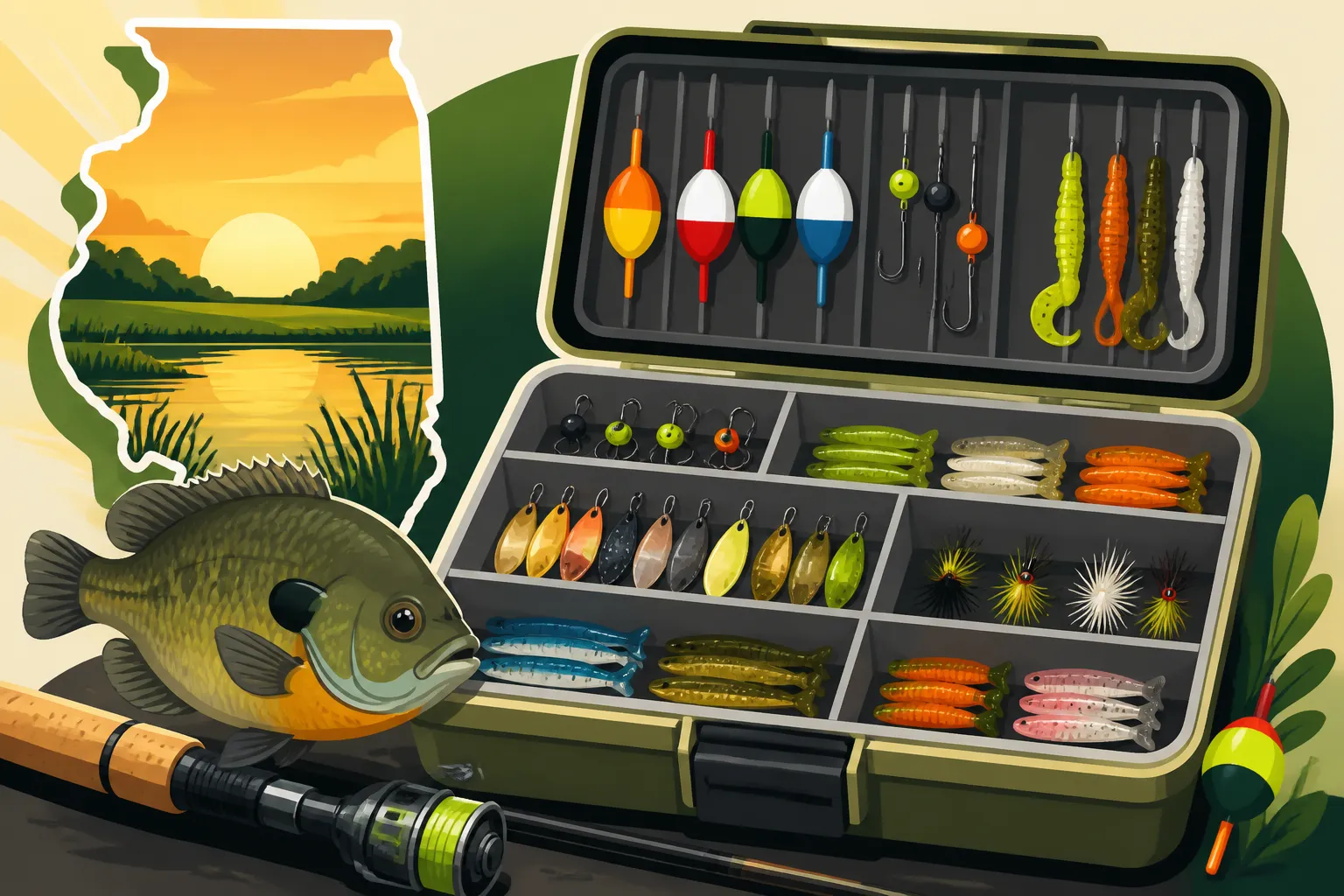
- Multi-Tray Boxes: Traditional multi-tray tackle boxes offer a fantastic starting point. Dedicate each tray or section to a specific category. For example, top trays might hold frequently used items like bobbers, split shot, and small jigs. Lower, deeper compartments can store spare line, pliers, and larger items.
- Individual Storage Containers: For smaller items like hooks, swivel clips, and split shot, invest in small, clear plastic containers with adjustable dividers. These are often sold in packs and fit neatly into larger tackle box compartments. This ensures that hooks of different sizes don't mix and makes it easy to see exactly what you have. Brands like Plano offer excellent small utility boxes for this purpose, readily available at sporting goods stores like Bass Pro Shops or on Amazon.
- Soft-Sided vs. Hard-Sided: Hard-sided tackle boxes offer robust protection and multiple fixed compartments, great for a dedicated panfish setup. Soft-sided tackle bags, often called tackle systems, use removable utility boxes (often 3600 or 3700 series) which allow for incredible customization. You can dedicate one utility box entirely to crappie jigs, another to bluegill bobbers, and swap them out depending on your target species for the day. This flexibility is a huge advantage for anglers who pursue various species.
Labeling and Grouping
Once compartmentalized, labeling takes your organization to the next level.
- Clear Labels: Use a label maker or a permanent marker on masking tape to clearly label each compartment or small box. Labels like "Crappie Jigs 1/32 oz," "Bluegill Hooks #8," "Split Shot Assorted," or "Slip Bobber Stops" eliminate guesswork and speed up selection.
- Color-Coding: If you have multiple boxes, consider color-coding them for different species or conditions. For instance, a blue box for bluegill-specific tackle, a green one for crappie, or a yellow one for clear-water lures. This visual cue can save time when grabbing the right box from a larger gear bag.
- Group Similar Items: Beyond just labeling, think about logical grouping. All your bluegill hooks, small bobbers, and tiny split shot could go in one small utility box. All your crappie jigs, larger bobbers, and minnow-imitating plastics might go in another. This way, if you're specifically targeting one species, you only need to pull out one or two containers. This strategy aligns well with how many anglers think about their target species, and can make it easier for quick decisions. You might even consider a dedicated "Kids' Panfish Kit" with simple rigs and easy-to-handle hooks.
Utilizing Specialized Storage Solutions
Beyond the standard boxes, a few specialized items can greatly enhance your panfish tackle organization.
- Jig Wallets/Pages: For crappie and panfish jigs, thin plastic "jig wallets" or pages with individual slots keep each jig separate and prevent tangles. These can then be stored flat in a larger tackle box compartment or a dedicated soft-sided bag. They protect the delicate jig tails and keep hooks from rusting together.
- Magnetic Strips: Some tackle boxes come with magnetic strips, or you can add your own. These are fantastic for holding small hooks, flies, or tiny jigs securely in place, preventing them from scattering every time you open the box.
- Soft Plastic Binders: For the avid soft plastic user, binders with clear, resealable bags keep your grub tails and tiny worms organized by color and size, preventing them from getting crushed or having their scent leached onto other items. This also helps keep different plastic formulations from melting together, which can be a real headache.
"Go-To" Tray Setup
Many anglers find it helpful to have a "go-to" tray or compartment with their absolute most-used items. This is the tray you open first, confident that your current favorites are right there.
- Top Tray Priority: In a multi-tray box, dedicate the very top tray to your most frequently used panfish items for the current season or trip. This might include a few favorite jig colors, a handful of bobbers, some split shot, and your line clippers. This minimizes the need to dig deep into the box for every small adjustment.
- Quick Grab Bag: If you use a larger tackle bag, consider a small, separate belt-worn pouch or a fanny pack that holds just the bare essentials you'll need for quick re-tying or bait changes. This could be a small selection of hooks, a few split shot, a couple of bobbers, and your clippers. This way, you don't even need to open your main tackle box every time. For inspiration on simple setups, check out Best Beginner Bluegill Fishing Setup.
| Category | Essential Items | Organization Tip |
|---|---|---|
| Hooks | Aberdeen (#8-#4), Jig Hooks (#10-#4) | Small clear containers, separated by size |
| Bobbers | Round, Slip, Pencil (various sizes) | Larger compartment, protected from crushing |
| Weights | Split Shot (BB-B), Small Bullet Weights | Dispenser or small, divided compartment |
| Jigs | Marabou, Tube, Hair, Plastic Grubs (1/64-1/8 oz) | Jig wallet or small, clear, divided compartments by color/type |
| Spinners | Inline Spinners (small) | Individual compartments to prevent tangling |
| Line/Leader | Spare Spool (2-6 lb test), Fluorocarbon Leader | Original packaging or dedicated, protected compartment |
| Tools | Clippers, Pliers, Hook Sharpener | Main compartment or side pocket, easily accessible |
| Misc. | Bobber Stops, Beads, Small Flashlight | Tiny, dedicated compartments |
Maintaining Your Panfish Tackle Box: Tips for Longevity
Organization isn't a one-time event; it's an ongoing process. A little post-trip maintenance and seasonal review will keep your panfish tackle box in top shape for years of fishing enjoyment.
Post-Trip Clean-Up Routine
After every fishing trip, especially if you've been on the water for a while, it's crucial to give your tackle box a quick once-over.
- Dry Everything Out: The biggest enemy of tackle is moisture. Before putting everything away, open all compartments and let your tackle air dry, especially if any lures or hooks got wet. If you caught fish, chances are some slime got into your box too.
- Wipe Down Compartments: Use a damp cloth to wipe out any dirt, mud, or fish slime from the compartments. A little bit of mild soap can help if things are particularly grimy. Make sure everything is completely dry before closing it up.
- Remove Rusty or Damaged Items: Inspect your hooks and lures. If anything is showing signs of rust or significant damage (bent hooks, cracked plastic), remove it. Rusty hooks are dull hooks and will lead to lost fish. Replace them immediately or dispose of them properly. This is also a good time to check your line for nicks or abrasions.
- Reseal Bait Bags: Make sure all soft plastic bait bags are properly sealed to prevent them from drying out or reacting with other plastics.
Rust Prevention and Moisture Control
Rust is a constant battle for anglers, but it's one you can win with a few proactive measures.
- Silica Gel Packets: Toss a few silica gel packets into your tackle box. These absorb moisture and can significantly reduce the risk of rust. You can often find them in shoe boxes or electronics packaging, or purchase them in bulk.
- Corrosion Inhibitors: Small VCI (Vapor Corrosion Inhibitor) emitting tabs or strips can be placed in your tackle box compartments. These release a vapor that forms a protective layer on metal surfaces, preventing rust. They're a fantastic investment for protecting your valuable lures and hooks.
- Oil Your Pliers/Tools: Give your pliers and other metal tools a light coat of WD-40 or a similar protective oil, especially around the hinges and jaws, to keep them from rusting and ensure they operate smoothly.
- Separate Wet and Dry: If you know you'll be fishing in the rain or getting wet, consider a separate small, waterproof bag for any tackle that might get soaked during the trip. Keep your main tackle box as dry as possible.
Seasonal Inventory Checks
Beyond the post-trip routine, conducting a thorough inventory check a couple of times a year is highly recommended, especially before your prime fishing seasons like spring crappie or summer bluegill.
- Before Spring Kick-Off: Before the ice melts and the panfish bite heats up, go through every compartment. Replenish any depleted supplies of hooks, bobbers, or jigs. Sort through your soft plastics, throwing out any that are dried out, cracked, or melted together. This ensures you're ready for that first warm weekend when the fish are biting. For advice on when the bite starts, look into Spring Fishing Calendar for Illinois Anglers.
- End-of-Season Review: As the weather cools down, take everything out of your tackle box. Clean it thoroughly, service any reels or tools, and store it in a dry, temperate place. This is a great time to evaluate what worked and what didn't over the past season, helping you refine your tackle selection for next year. It's also an excellent opportunity to deep-clean and even reorganize your entire setup, perhaps trying a new layout you've been considering.
A well-organized panfish tackle box is more than just a convenience; it's a testament to your preparedness and dedication as an angler. By taking the time to sort, label, and maintain your gear, you're setting yourself up for more enjoyable, more efficient, and ultimately, more successful panfishing adventures across Illinois.
Disclaimer
This article is for general informational purposes only and does not constitute professional advice. Laws, prices and regulations vary by location and change over time. Consult a qualified professional for guidance on your specific situation.