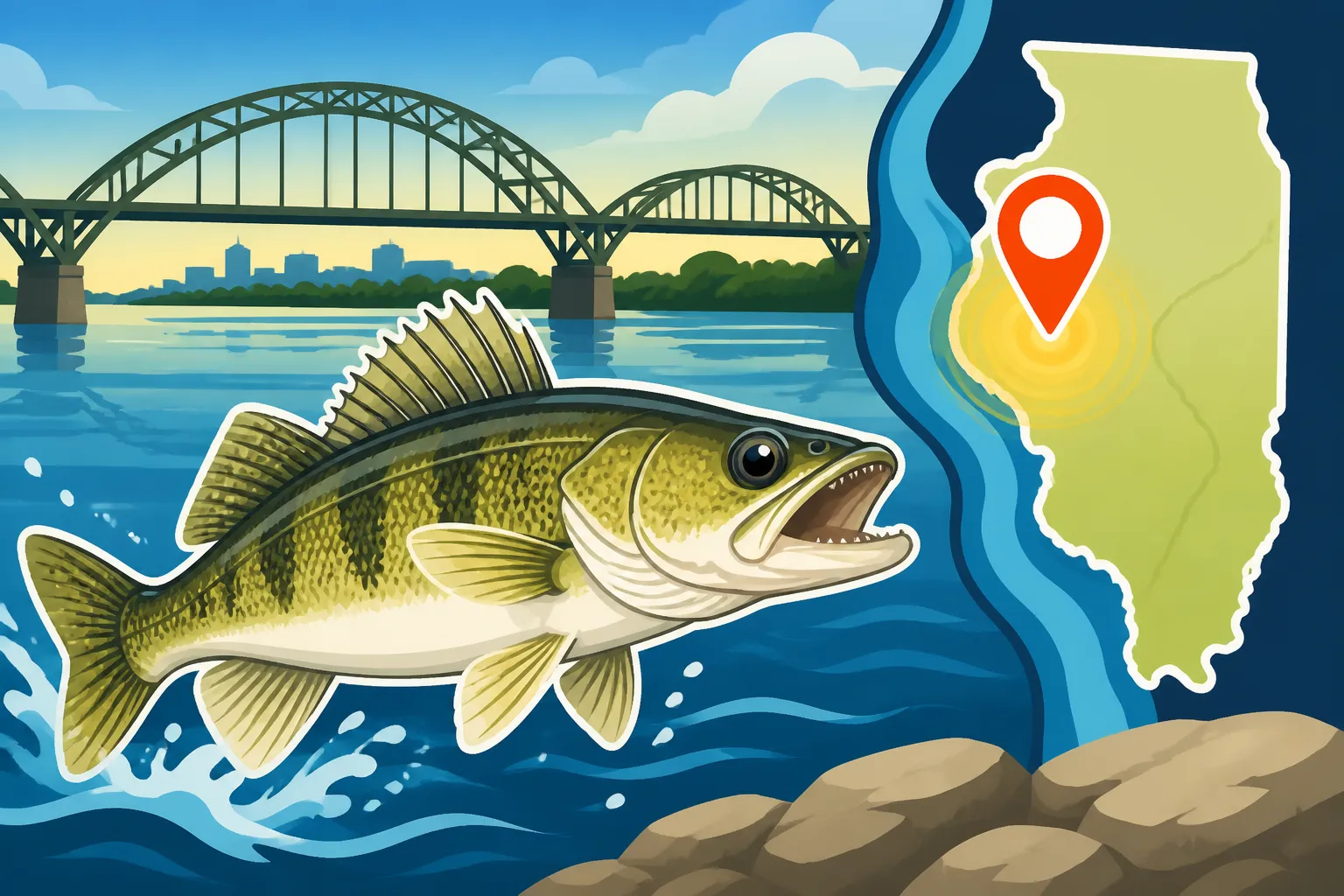
Mississippi River Sauger Spots Near Rock Island, Illinois
Finding those elusive sauger on the vast expanse of the Mississippi River near Rock Island can feel like searching for a needle in a haystack, especially with its complex currents and structures. Many anglers get frustrated trying to pinpoint where these fish hold up throughout the year. This comprehensive guide will break down the prime sauger fishing spots around Rock Island, equipping you with the knowledge to consistently find and catch these exciting game fish.
Understanding Mississippi River Sauger Behavior
Before you even cast a line, it's incredibly helpful to understand what makes sauger tick. These fish aren't just smaller versions of walleye; they have their own distinct habits and preferences, especially in a dynamic environment like the Mississippi River. Knowing their behavior is your first step to a successful trip.
Sauger Versus Walleye: Key Distinctions
While sauger and walleye are often grouped together as part of the perch family, they have subtle yet important differences that impact how you target them. Sauger ( Sander canadensis) are generally smaller than their walleye cousins and prefer murkier, more turbid waters, which makes the Mississippi River a perfect habitat. Unlike walleye, which often stick to cleaner lake environments or the main channel of clearer rivers, sauger thrive in the stained water typical of the Mississippi. They also tend to hang deeper, closer to the bottom, and are often less light-sensitive, meaning they can be active throughout the day, not just at dawn and dusk. For a more detailed look, check out our guide on Illinois Walleye vs Sauger vs Saugeye: Key Differences.
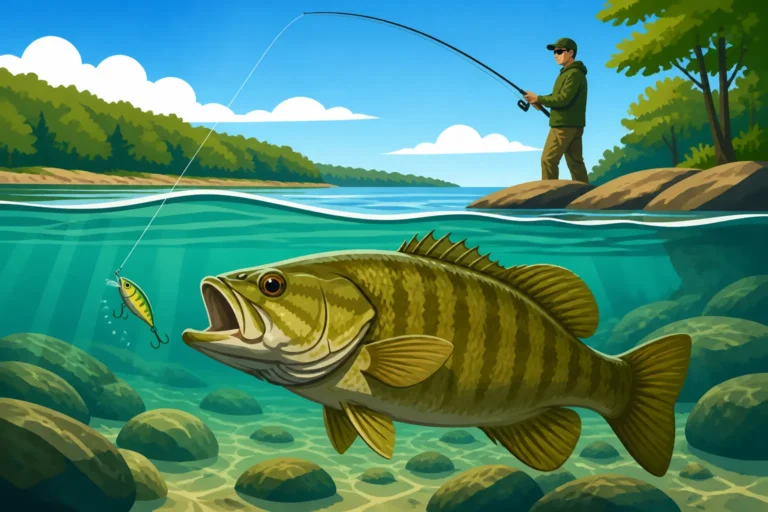
Sauger also possess distinct physical characteristics. Their bodies are typically more slender, and they have dark, mottled blotches on their sides, rather than the more uniform coloration of a walleye. Crucially, sauger have distinct dark spots on their dorsal fin membranes, which walleye lack. Understanding these differences isn't just for identification; it informs your approach. You're likely to find sauger hugging current breaks and bottom structures in deeper, somewhat dirtier water, whereas walleye might be found on shallower flats or rocky points in clearer sections. This preference for current and structure is paramount when fishing the big river.
Preferred Habitat in the Mississippi River
Sauger are true river fish, and their ideal habitat reflects this. They absolutely love current, but not direct, strong current. Instead, they position themselves just out of the main flow, in current seams, eddies, and behind underwater structures that break the flow. These areas provide a resting spot while still allowing easy access to food washing by. Think about deeper channels, the upstream and downstream sides of wing dams, bridge pilings, and any significant drop-offs. They use these spots as ambush points, waiting for baitfish to be swept past them.
The deeper pools and scour holes below dams are also prime real estate for sauger. The churning water oxygenates the area and disorients baitfish, creating a feeding frenzy. In the Rock Island area, the waters around Lock and Dam 15 are absolutely legendary for sauger. They prefer hard bottom, like gravel, rock, or even clam beds, over soft mud. These hard bottoms often hold invertebrates and provide cover. When the water temperatures fluctuate, sauger will adjust their depth, often moving deeper as the water cools or during bright daylight hours. Learning about Mississippi River Walleye and Sauger: Illinois' Northern Stretch Explained can give you more insight into these preferred river habitats.
Key Sauger Hotspots Near Rock Island
The stretch of the Mississippi River around Rock Island is incredibly productive for sauger, thanks to its diverse structure and strong current. But not all spots are created equal. Knowing where to focus your efforts can save you a lot of time and lead to a much more satisfying day on the water.
The Pool 15 Stretch and Dams
When we talk about sauger fishing near Rock Island, Pool 15 and Lock and Dam 15 are immediately front and center. This area is a sauger Mecca, especially during the colder months. The turbulence and deep scour holes immediately below the dam are magnets for sauger, drawing them in as they stage to spawn or simply feed on disoriented baitfish pushed through the gates. Anglers often drift jigs tipped with minnows or use three-way rigs in these turbulent waters, bouncing their offerings along the bottom.
Further downstream from the dam, within Pool 15, the main navigation channel offers excellent opportunities. This channel often has defined edges, ledges, and subtle changes in depth that sauger love. Look for areas where the channel narrows or bends, creating stronger current breaks. The various wing dams that extend out from the shoreline into the river are also critical. Fish the seams on both the upstream and downstream sides, as well as the deep water just off the tip of these structures. During high water, the current can be extreme, making it challenging, but sauger will still be there, often tucked even tighter into slack water pockets. Finding a local guide through platforms like FishingBooker can often help pinpoint the most productive spots under current conditions.
Tributary Mouths and Current Breaks
The Mississippi River is fed by numerous smaller tributaries, and where these smaller rivers and creeks meet the main stem, you'll often find fantastic sauger fishing. The incoming water from a tributary can create distinct current breaks, carry new food sources, and even offer slightly different water temperatures or clarity, all of which attract sauger. These confluence zones are dynamic environments where baitfish congregate, creating prime ambush points for sauger.
Near Rock Island, several smaller streams feed into the Mississippi. While specific names might vary by mapping, look for any noticeable creek or small river mouth. Fish the eddies and slack water created by the mixing currents, as well as the deeper holes that often form where the faster-moving tributary water scours the river bottom. Often, a distinct mud line or change in water color will mark these areas, indicating a prime spot to drift your baits. Bridge pilings and other man-made structures in these areas also serve as excellent current breaks, offering sauger relief from the main flow and another place to hide and feed.
Deep Channels and Structure
Beyond the immediate dam areas and tributary mouths, the extensive network of deep channels and submerged structures throughout the Mississippi River near Rock Island holds vast numbers of sauger. These fish are bottom-oriented, and they use the river's contours and any available cover to their advantage. Targeting these areas often requires a good depth finder and a keen eye for subtle changes in the riverbed.
Look for areas with significant depth changes, like sharp drop-offs, underwater humps, or old riverbeds that are now submerged channels. These features create natural current funnels and eddies. Wing dams, as mentioned, are critical, but also keep an eye out for submerged timber, rock piles, or even artificial reefs that might have been deployed by conservation efforts. These structures provide excellent cover and current breaks. Often, you'll find sauger stacked up on the downstream side of these structures, out of the main current. Drifting or slow trolling along these contours, keeping your bait just above or on the bottom, is often the most effective strategy. Using a reliable fishing charter from FishingBooker can provide localized knowledge of these more subtle, less obvious structures.
Best Techniques and Gear for Rock Island Sauger
Catching sauger on the Mississippi River isn't just about finding them; it's about presenting your bait in a way they can't resist, especially given the current and depth. Having the right techniques and gear in your arsenal will significantly increase your success rate.
Jigging and Trolling Strategies
For sauger fishing near Rock Island, jigging and trolling are the bread and butter techniques. Both methods aim to keep your bait close to the bottom where sauger reside.
Jigging: This is particularly effective in current breaks, scour holes, and around wing dams. A standard jig, usually 1/4 to 1 ounce depending on current and depth, tipped with a minnow (like a fathead or shiner) or a soft plastic grub, is incredibly effective. The key is to maintain bottom contact, lifting and dropping the jig subtly. You're not looking for big, aggressive movements; a light "lift and fall" or "snap jigging" motion that mimics an injured baitfish is often best. Vertical jigging directly below the boat is crucial when fishing deep holes or directly in current. Learn more about Walleye Jigging Techniques, which are highly applicable to sauger.
Trolling: Slow trolling, especially with three-way rigs or bottom bouncers, is deadly for covering larger areas of deeper channels and ledges. A three-way rig involves a dropper weight (often a bell sinker or heavy bank sinker) on a short leader, a longer leader (2-4 feet) tied to a crankbait, stickbait, or a live bait rig (like a snell hook with a minnow), and a main line. This setup allows you to keep your bait at a precise depth, just off the bottom. Experiment with different speeds and lure colors. For detailed trolling insights, refer to our guide on Walleye Trolling Techniques. When using live bait, make sure you have the proper licenses; you can easily figure out how to get an Illinois Fishing License through the IDNR website or a local bait shop.
Essential Tackle for River Sauger
Having the right tackle is non-negotiable for battling Mississippi River sauger and the relentless current.
Rods and Reels: A medium-light to medium-heavy spinning rod or baitcasting setup, 6'6" to 7' in length, is ideal. The rod needs a sensitive tip to detect subtle bites but enough backbone to handle larger fish and the heavy current. For baitcasting, a reel with a good gear ratio (6.1:1 to 7.1:1) allows for quick retrieves and control. For spinning, a 2500-3000 series reel is versatile.
Line: Braided line (10-20 lb test) is highly recommended for its sensitivity and minimal stretch, which helps detect those light sauger bites in deep water and strong current. Use a fluorocarbon leader (8-12 lb test, 3-6 feet long) tied to your braid. Fluorocarbon is nearly invisible underwater and abrasion-resistant, which is crucial when fishing around rocky structures.
Terminal Tackle:
- Jigs: Assorted sizes (1/4 oz to 1 oz) in various colors like chartreuse, orange, white, and black.
- Bottom Bouncers: 1 oz to 3 oz, depending on current.
- Three-Way Swivels: Essential for three-way rigs.
- Snelled Hooks: #1 to #4 for live bait rigging.
- Crankbaits/Stickbaits: Deep-diving models in natural baitfish patterns or bright colors. Popular choices include Rapala Shad Raps or Berkley Flicker Shads.
- Live Bait: Minnows (fatheads, shiners) are gold for sauger. Leeches and nightcrawlers can also work but are typically more effective for walleye.
- Weights: Bell sinkers or bank sinkers for three-way rigs, in various weights.
When gathering your gear, consider local bait shops near Rock Island; they often have the freshest minnows and can provide real-time advice on what's currently biting. Many anglers also find that exploring options on FishingBooker can help them connect with local guides who supply all the necessary, specialized gear for a productive outing.
Seasonal Considerations for Successful Sauger Fishing
The Mississippi River is a living, breathing entity, constantly changing with the seasons. Just like the river itself, sauger behavior adapts to these changes, meaning your fishing strategy needs to evolve throughout the year to consistently find success.
Winter and Early Spring Runs
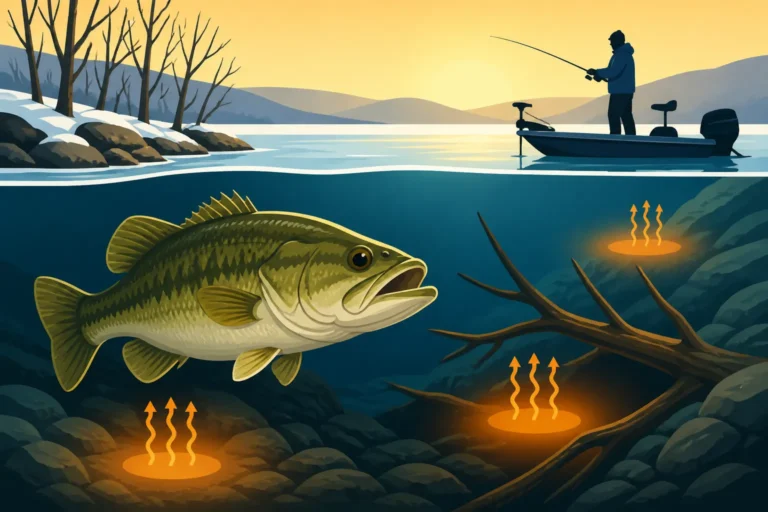
Without a doubt, winter and early spring are prime times for sauger fishing on the Mississippi near Rock Island. As water temperatures plummet, sauger tend to congregate in deeper holes and below dams. This concentration makes them easier to target, though the conditions can be brutally cold. Anglers often brave the elements for the chance at a limit of these delicious fish. The fish are often staging for their spawn, which typically occurs in early spring when water temperatures reach the low to mid-40s Fahrenheit.
During these colder months, slower presentations are key. Vertical jigging with heavy jigs tipped with minnows is extremely effective in the deep scour holes below Lock and Dam 15. The fish are less active and less willing to chase, so keeping your bait right in their face is crucial. As early spring arrives and water temperatures begin to tick up, sauger will start to spread out slightly but will still be concentrated in strong current areas and around structure. This is also when you might start seeing some sauger moving into slightly shallower eddies or current breaks as they prepare for spawning runs. This period offers some of the best opportunities for a trophy sauger, but remember to dress warmly and stay safe on the icy river. Our guide on the Best Time of Year to Fish the Mississippi River in Illinois for Walleye also applies well to sauger in these periods.
Late Spring and Summer Patterns
As the Mississippi River warms in late spring and moves into summer, sauger patterns shift. While they still prefer current, they might spread out more and utilize a wider range of depths and structures. They'll often move out of the immediate dam areas, though some will remain in the deeper holes year-round. Look for them holding on the cooler, deeper side of wing dams, in main channel drop-offs, and around submerged timber. The key during summer is often finding the thermocline if one forms, or simply the coolest, most oxygenated water available.
Trolling with crankbaits or three-way rigs becomes very effective during summer, allowing you to cover larger areas and locate scattered fish. Early morning and late evening bites can be strong, but because sauger are less light-sensitive than walleye, you can often find success throughout the day, especially if you're targeting deeper, shaded areas. The fish will be more active and willing to chase baits, so a slightly faster retrieve or troll speed can sometimes entice a strike. This time of year, knowing how to Find Walleye in Current will be invaluable for locating active sauger.
Fall Migration
Fall is another fantastic season for sauger fishing on the Mississippi River. As water temperatures begin to cool, sauger become incredibly active, feeding aggressively to build up fat reserves for the coming winter. This period often sees them moving back towards deeper main channel areas and again concentrating around key structures like dams and major current breaks. The fishing can be fast and furious, with multiple fish often being caught from the same spot.
During the fall migration, both jigging and trolling can be highly productive. Focus on areas where baitfish are congregating, as sauger will be right on their heels. The mouths of tributaries can be particularly hot as baitfish move into the main river system. As the water cools further into late fall, the patterns will start to mimic the early winter concentrations below the dams. The vibrant fall colors along the riverbanks make for a beautiful backdrop to some of the best sauger fishing of the year. Booking a trip through FishingBooker during these peak fall months is often a popular choice for anglers seeking guided access to these feeding frenzies.
| Season | Preferred Habitat | Key Techniques | Recommended Baits/Lures | Notes |
|---|---|---|---|---|
| Winter | Deep scour holes, below dams, main channel | Vertical jigging | Minnows, heavy jigs (1/2 – 1 oz) | Slow presentations, dress warmly |
| Early Spring | Below dams, current breaks, tributary mouths | Jigging, slow trolling | Minnows, jigs, small crankbaits | Pre-spawn bite, highly concentrated fish |
| Late Spring | Main channel ledges, deeper side of wing dams | Trolling, jigging | Crankbaits, jigs, minnows, soft plastics | Fish spreading out, covering water is key |
| Summer | Deep channels, submerged timber, cooler depths | Trolling (crankbaits), deeper jigging | Deep-diving crankbaits, heavier jigs, minnows | Active fish, focus on cooler water |
| Fall | Dams, main channel, tributary mouths, current breaks | Jigging, trolling | Minnows, jigs, crankbaits, larger soft plastics | Aggressive feeding, excellent action |
Disclaimer
Please be aware that fishing regulations in Illinois, especially on the Mississippi River, can change. Always consult the latest Illinois Department of Natural Resources (IDNR) fishing guide before heading out to ensure you are compliant with all current rules, including license requirements, catch limits, and size restrictions. The information provided here is for general guidance and informational purposes only.